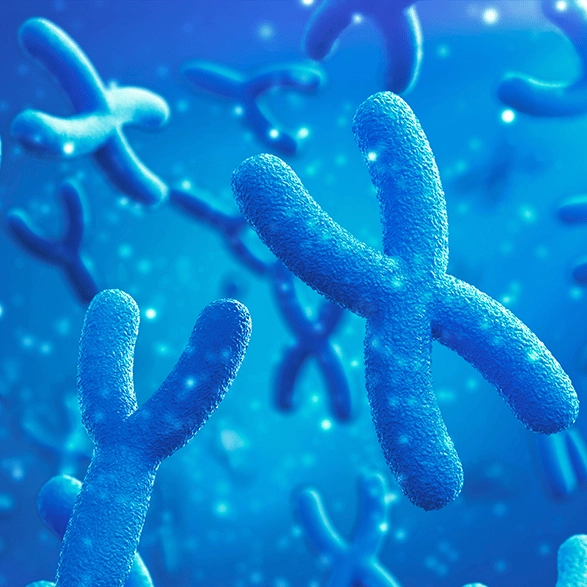
What the Y chromosome vanishing means for men


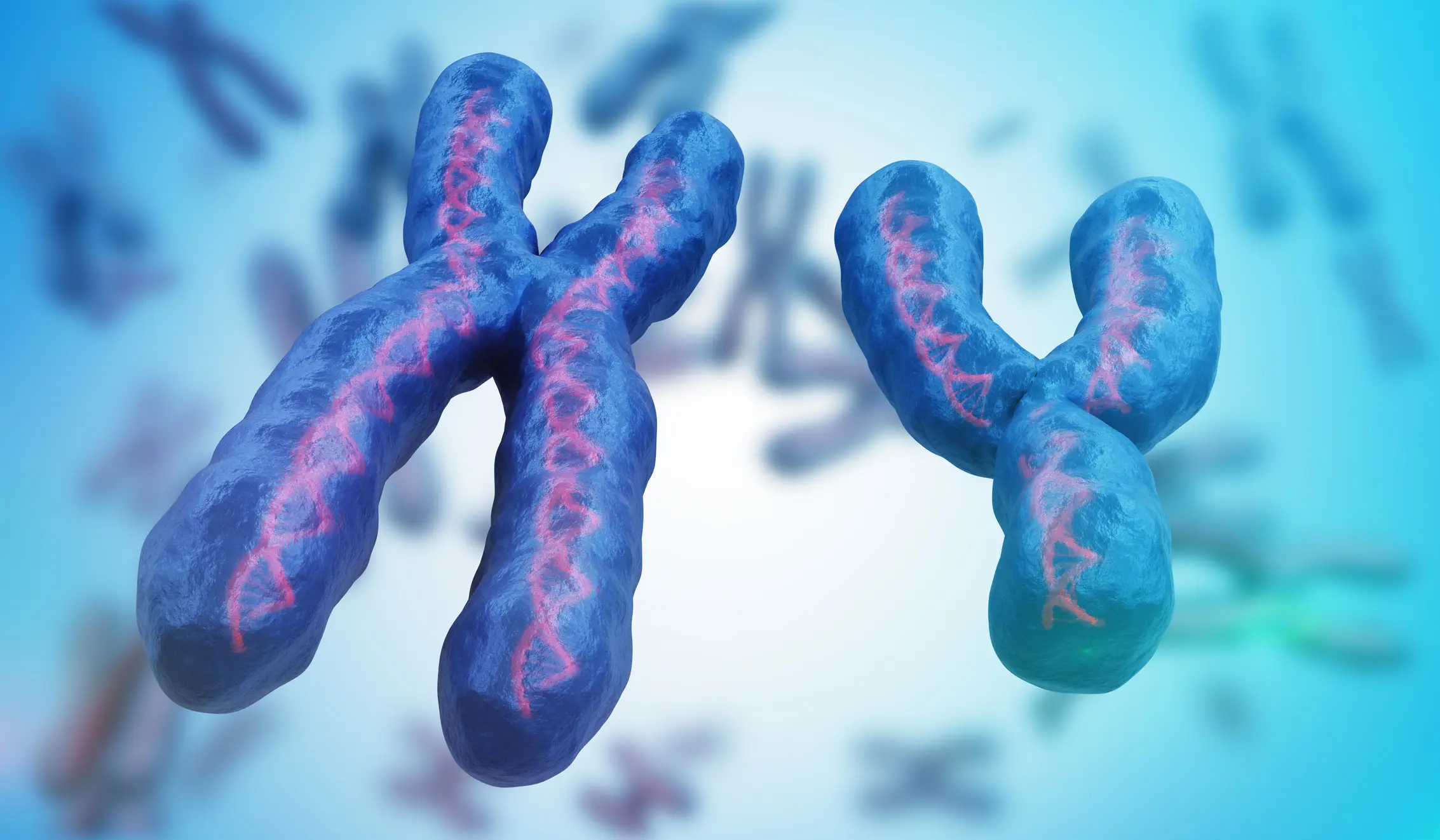
If you studied a little biology way back at school, you probably learned that the X and Y genes are what determine our sex - those born male have XY genes, while women have XX.
Interestingly, though, it turns out that those Y genes are way lower in quantity, and that this pool could be shrinking over time.
Right now, a male embryo is likely to have around 55 Y genes compared to a way bigger pool of 900 or so X genes.
Advert
However, it would seem that this is a lower proportion than might have historically been the case, and some researchers think that that ratio is still getting higher.
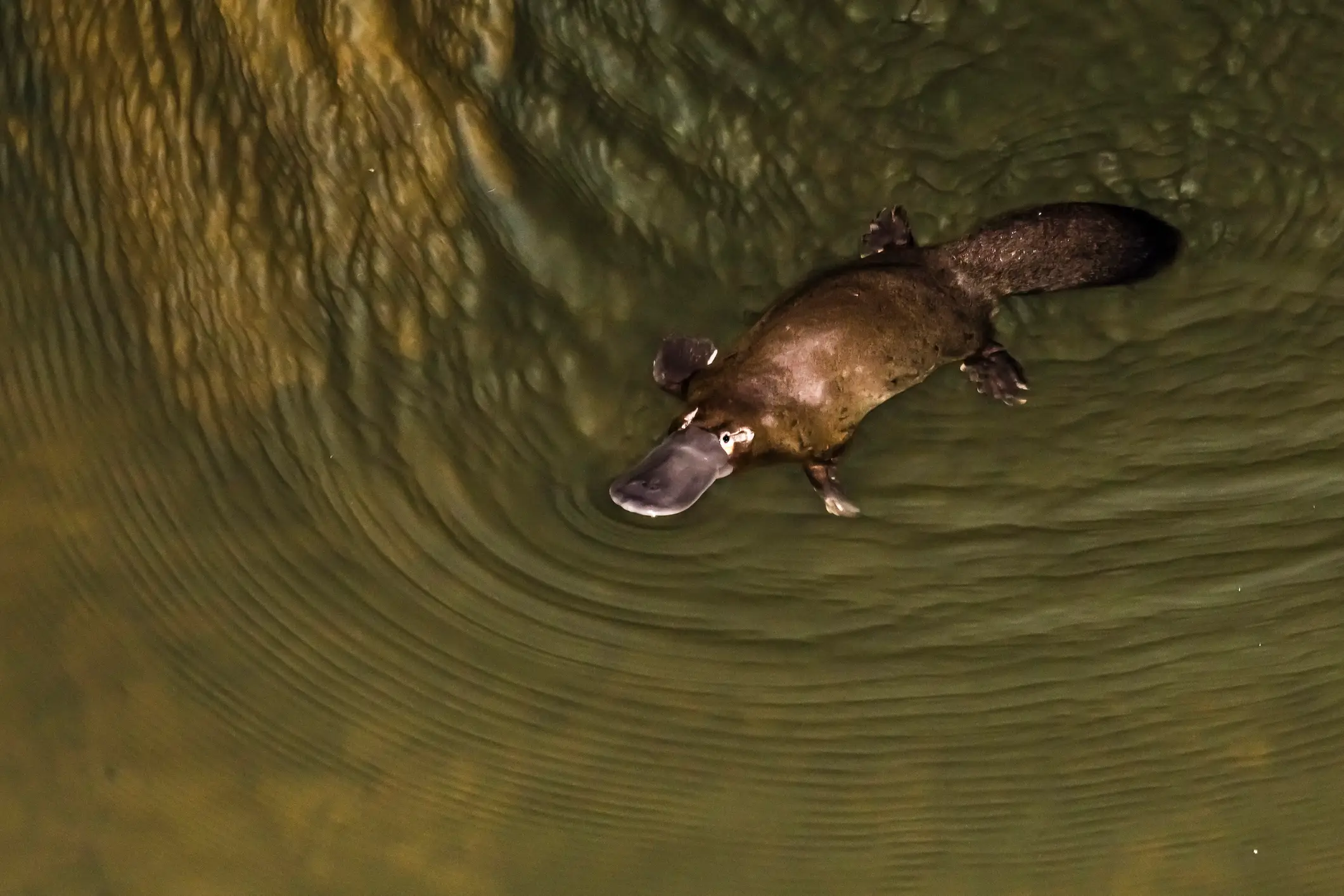
It might seem like a funny comparison, but we can apparently learn quite a lot about this by comparing humans to the humble platypus. Writing for The Conversation, Jenny Graves, Professor of Genetics at La Trobe University, goes into more detail.
She explains that in a platypus "the XY pair is just an ordinary chromosome, with two equal members", so there's no discrepancy in volume - each chromosome has a matching equivalent.
Professor Graves goes on to theorize: "In turn, this must mean the Y chromosome has lost 900 to 55 active genes over the 166 million years that humans and platypus have been evolving separately. That’s a loss of about five genes per million years. At this rate, the last 55 genes will be gone in 11 million years".
That sounds like a bit of a prophecy of doom for humanity - does it mean that in 11 million years we won't be able to reproduce, and there won't be anyone born male?
Well, quite possibly not, since it turns out there are multiple species of rodent that have been found to have lost their own Y chromosomes too, and seemingly still produce both male and female offspring. After much research, in some cases, we've been able to determine that the sex-determining region simply migrated to a different chromosome, without being lost.
Plus, of course, there's a pretty solid chance that in 11 million years' time we'll have figured out cloning or some other form of artificial reproduction - after all, that's an absolutely staggering amount of time in the future.
Still, that all might sound a little too simplistic for Professor Graves, who points out that "if someone visited Earth in 11 million years, they might find no humans – or several different human species, kept apart by their different sex determination systems".
It's impossible to know how we'll evolve at this stage, although these theories might help us to avoid certain pitfalls, and to focus on developing technology or medicines that could help us to avoid such a messy fate.