
Infinite scrolling could face restrictions as scientists demand public health response


We all know what it’s like to start doomscrolling on our phones in the evening and lose track of time. You’ll decide to browse social media for a few minutes in bed and suddenly, you look at the time and it’s 3am.
Some people want to put an end to this. The act of infinite scrolling can be addictive and researchers are now calling for tighter restrictions on digital platforms, which they say are contributing to a growing global public health problem.
This comes after a new report published in The Lancet Psychiatry suggested that more than one in 10 people worldwide could be affected by problematic internet use, with the financial and social costs potentially reaching billions of dollars each year.

Advert
The report stated: “Contemporary society is increasingly connected via digital technologies, with implications for mental health for everyone. There is global concern about problematic usage of the internet (PUI), an umbrella term for diverse problematic forms of interaction with the internet and digital technology more broadly, PUI-related disorders, and their public health and societal costs.”
In the paper, the experts argue that the issue is becoming increasingly difficult to manage, with excessive internet use having the potential to damage people’s health, relationships, education, employment and overall quality of life.
The report identifies eight different forms of problematic internet use, including gaming, gambling, online shopping, pornography consumption, social media use, cyberbullying, digital hoarding and cyberchondria.
However, scientists are particularly concerned about how digital platforms are deliberately designed to keep people engaged, with features like infinite scrolling and autoplay videos removing natural stopping points, making it easier for users to spend longer online than they originally intended.
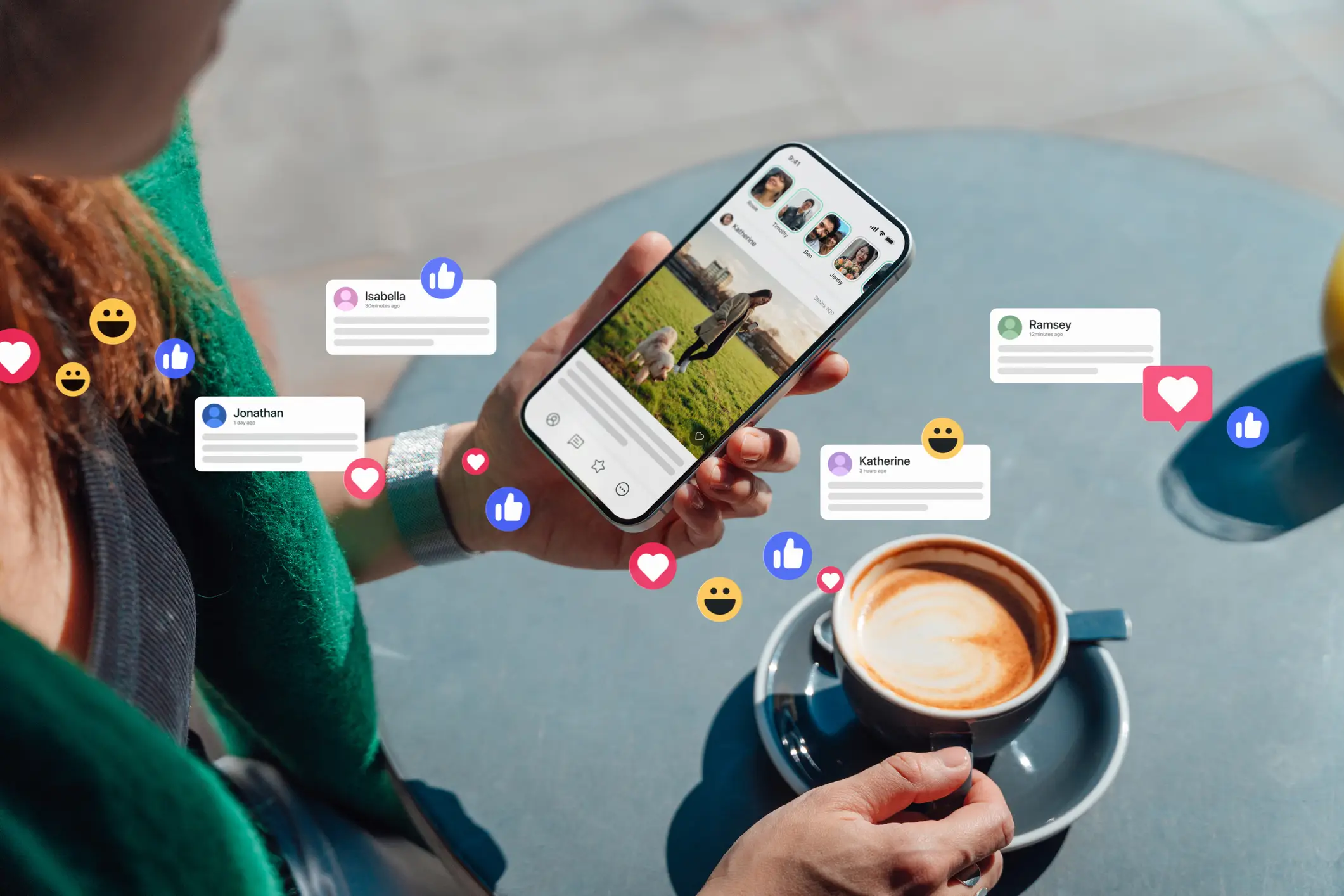
Andrea Czakó, an author of the report from Flinders University, explained: “Many digital products are intentionally designed to capture and hold our attention.
“If we want healthier outcomes, particularly for young people, we need digital environments that support wellbeing rather than undermine them.”
The researchers believe the issue should be approached in a similar way to other established public health concerns, including tobacco, alcohol and gambling and instead of relying on tech companies to regulate themselves, they are calling for governments to introduce stronger protections against potentially harmful digital features.
This could include restrictions on high-risk design features, greater transparency around how algorithms operate and independent audits of digital platforms.
Addiction expert Zsolt Demetrovics, another author of the report from Flinders University, went on to add: “For most people, online activities are a positive part of everyday life. For some, these behaviours can become difficult to control and start causing significant harm to their health, relationships, education and work.”