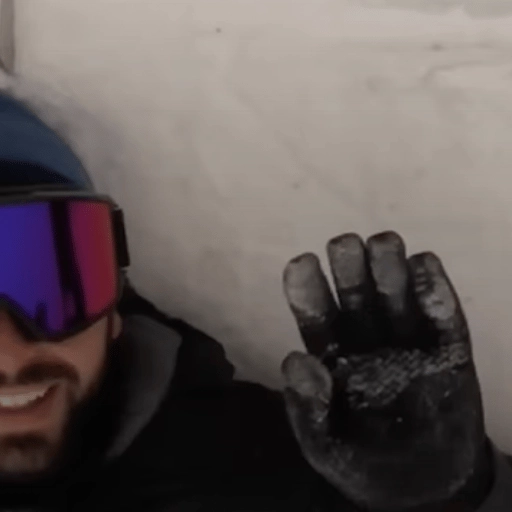
Camera dropped into hole 93 meters beneath Antarctica makes incredible discovery


Whilst it's easy to think that most of Earth's mysteries lie in outer space, there's still so much of our own planet we know relatively little about.
From an 12,600 year old painting in the Amazon Rainforest to lost colonies in Australia, discoveries are being made constantly - And it's no surprise, the planet is huge!
However, one of the many ways that we can learn more about our geological history is by looking into ice sheets that have been around for almost unbelievable lengths of time.
Advert
Whilst a lot of ice melts and reforms every year, there are near-permeant sheets that lie hundreds of meters deep and haven't melted for centuries.
And yep, you guessed it, they hold plenty of frozen information.
Want to know more? Look no further!
A TikTok video from Austin Carter, a researcher who worked with the Center for Old Ice Exploration (COLDEX), gave people a unique look into his work revolving around Antarctic ice sheets.
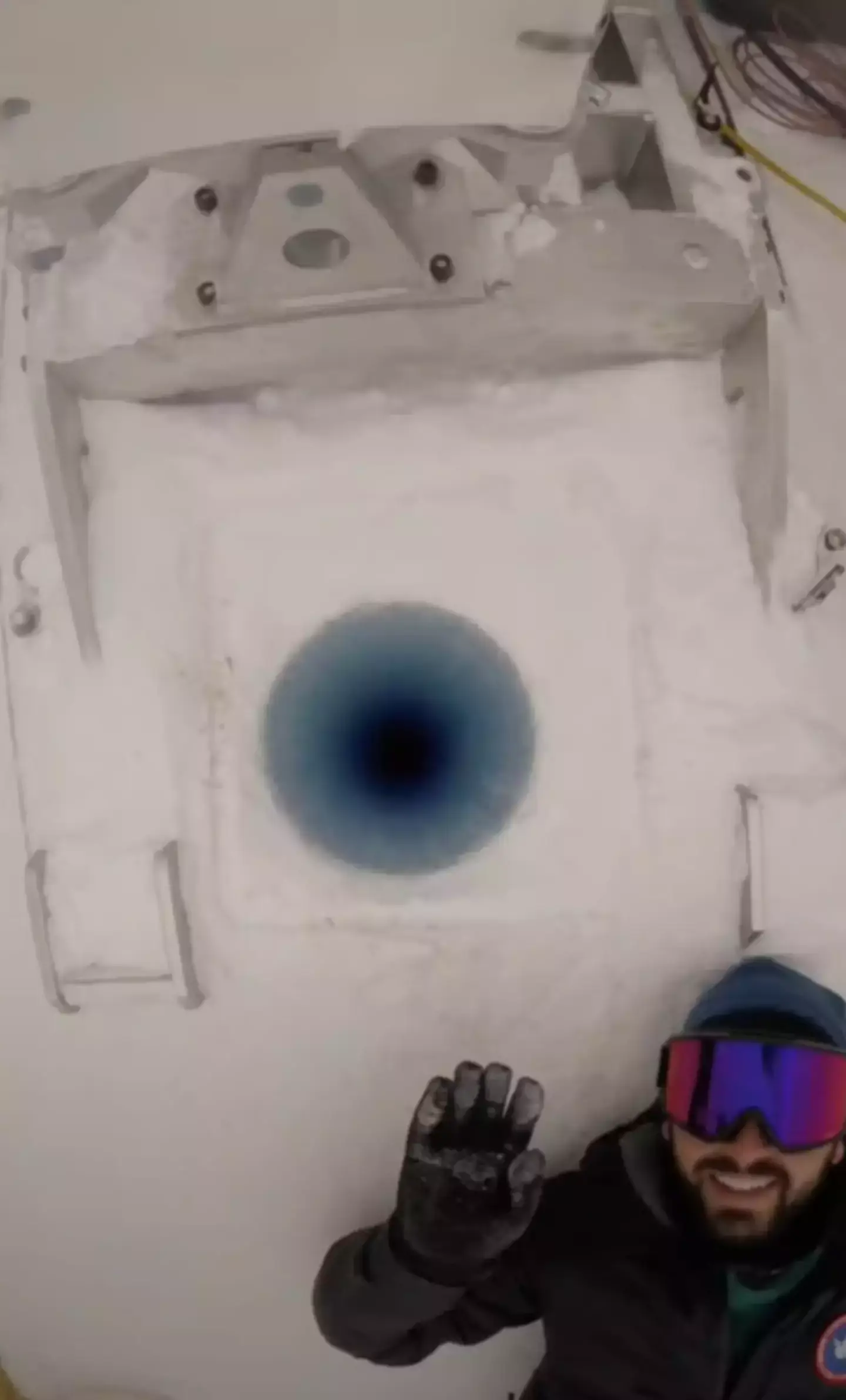
Down one of the deep bore holes that COLDEX uses to extract samples from the ice, and let it fall all 93 meters to the bottom, Carter dropped an action camera, resulting in a rather trippy icy journey.
It's quite an amazing video, starting with Carter at ground level waving goodbye to the camera before it speeds down the small hole.
In no time at all, things to lose their sense of scale, and the vertical icy tunnel almost starting to look a bit otherworldly - almost like a hyperspace jump from Star Wars.
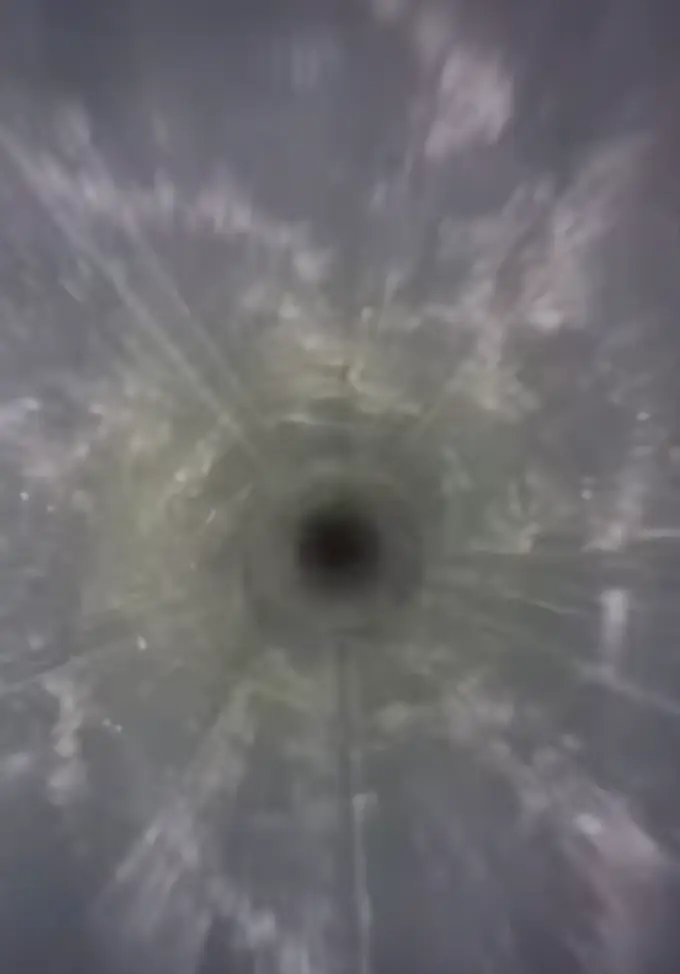
What can only be describe as looking like speeding through an incredibly narrow tunnel on a train, or even being on a bobsled, has left people pretty amazed by it.
One comment under Carter's TikTok upload didn't mince words: "Honestly this was really scary".
Another viewer was more curious about the reasoning behind the video: "Much respect, and pls take no offence, but why? Why spend time and money for a study on old ice?"
Wondering the same thing? Well, it turns out that by studying the ice down at these depths, COLDEX and similar research teams can learn a lot about our ancient history - particularly where the climate was concerned.
Samples from different depths can help us to glean information about long historical patterns of warming or cooling.
Just to make it evident how old the depths that this camera traveled to are - Some of the ice from that bore hole is 2.7 million years old, according to Carter.
Crazy to even wrap your head around.
Interestingly enough, the hole itself was drilled some 20 years ago, but remains in active use to this day, becoming its own little permanent fixture in the ice sheet.