Findings indicate Ancient Egyptians ‘were trying to understand and treat cancer 4,000 years ago’


Scientists have found new evidence to suggest that ancient Egyptians were trying to understand and treat cancer way back some 4,000 years ago.
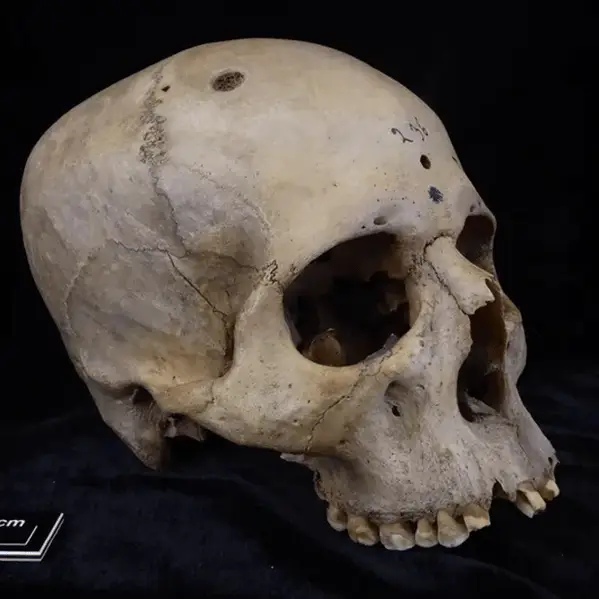
A new study, published in Frontiers in Medicine, looked in detail at an ancient skull that appears to show evidence of a cancerous growth that was seemingly operated on - whether post-mortem or not.
The skull has a large lesion that appears to have been caused by the growth, and it's surrounded by small cut-marks that suggest a sharp tool was used to operate on it.
A host of other, smaller lesions around the skull make it clear that the cancer was spreading. The man in question would have been around 30-35 years old when he died, according to the research team, but the fact that an operation of some sort was attempted is a hugely interesting new detail.
Advert
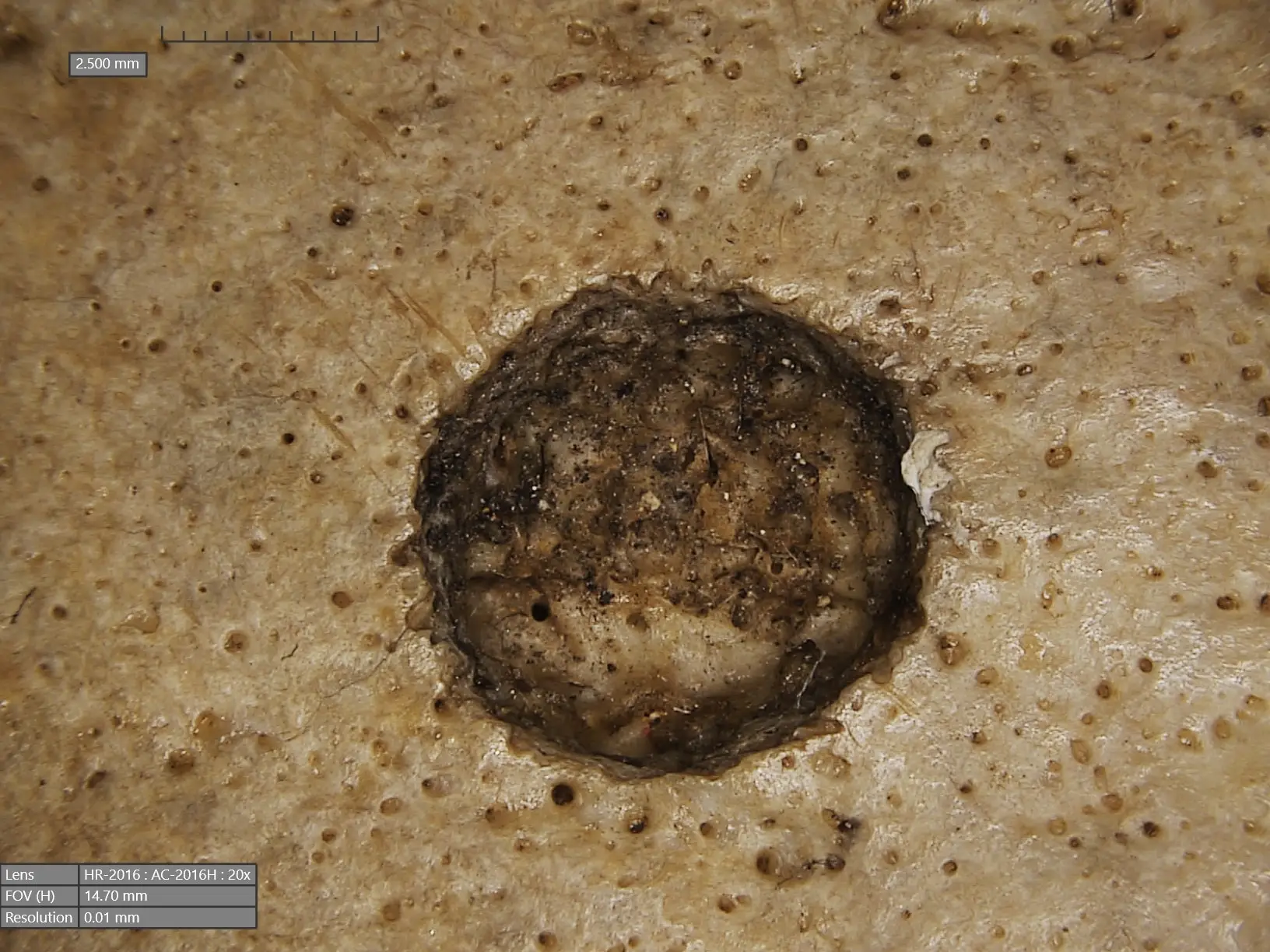
Tatiana Tondini, a researcher at the University of Tubingen in Germany, said: "When we first observed the cutmarks under the microscope, we could not believe what was in front of us."
Professor Edgard Camaros, a palaeopathologist at the University of Santiago de Compostela in Spain, said the surgical cutmarks could indeed be from a medical autopsy to learn more about the disease after death.
He said: "Both possibilities reveal a surgical intervention intimately related with the tumors - and this is amazing. This finding is unique evidence of how ancient Egyptian medicine would have tried to deal with or explore cancer more than 4,000 years ago. This is an extraordinary new perspective in our understanding of the history of medicine."
Professor Camaros, the lead author on the study, said: "It is true that cancer is perceived as a modern disease, mostly related with western habits and in relation to environmental carcinogens. However, cancer has been with us since the very beginning, in many ways. Even dinosaurs suffered from cancer."
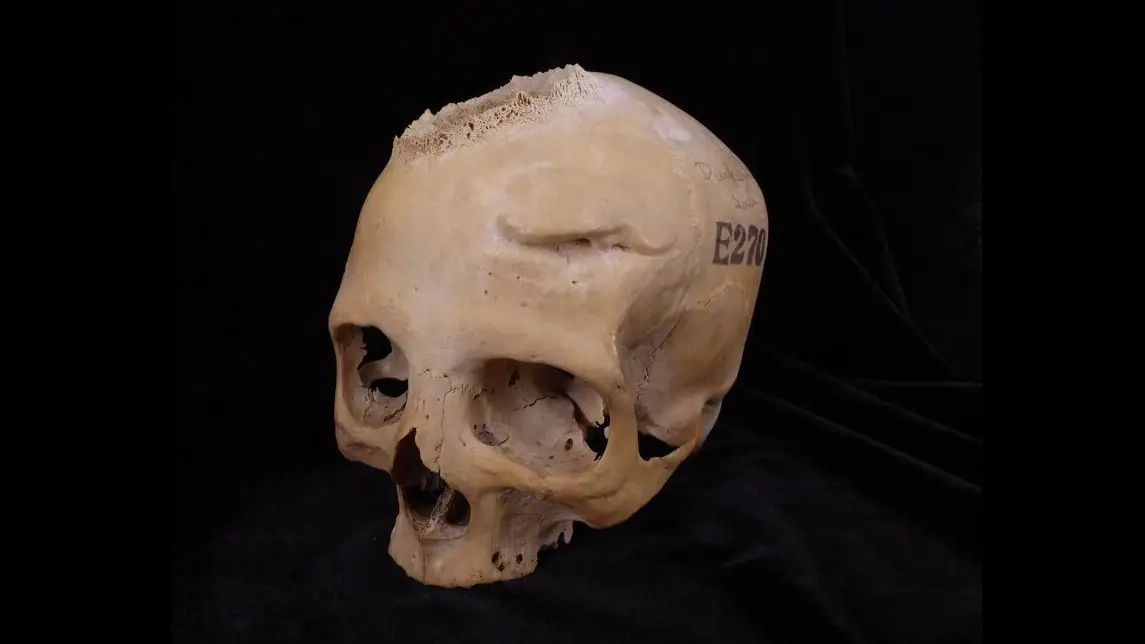
It wasn't just one skull that proved this theory about the Egyptians investigating cancer, though - another skull from a woman over 50 years old from 2,000 years ago had similar lesions and cutmarks.
We've known for a while that the Egyptians had fairly sophisticated medical treatments for a variety of issues and complaints, but it's truly fascinating to see that they were also investigating diseases that would continue to plague humanity for countless generations into the future.
With medical breakthroughs that only lately are starting to make it look like we could eventually conquer cancer for good, it's amazing that humans have been fighting the illness for so long.