uniladtech homepage
  • News
    • Tech News
    • AI
  • Gadgets
    • Apple
    • iPhone
  • Gaming
    • Playstation
    • Xbox
  • Science
    • News
    • Space
  • Streaming
    • Netflix
  • Vehicles
    • Car News
  • Social Media
    • WhatsApp
    • YouTube
  • Advertise
  • Terms
  • Privacy & Cookies
  • LADbible Group
  • LADbible
  • UNILAD
  • SPORTbible
  • GAMINGbible
  • Tyla
  • FOODbible
  • License Our Content
  • About Us & Contact
  • Jobs
  • Latest
  • Archive
  • Topics A-Z
  • Authors
Facebook
Instagram
X
TikTok
Snapchat
WhatsApp
Submit Your Content
$20,000,000,000 Japanese airport located in the middle of the ocean is now sinking

Home>Science>News
Updated 11:26 26 Jun 2024 GMT+1Published 10:38 26 Jun 2024 GMT+1

$20,000,000,000 Japanese airport located in the middle of the ocean is now sinking

It could be underwater by 2056.

Rikki Loftus

Rikki Loftus

google discoverFollow us on Google Discover
Featured Image Credit: Taro Hama @ e-kamakura/JIJI PRESS/JIJI PRESS/AFP via Getty Images
Science
News
Plane News
Vehicles

Advert

Advert

Advert

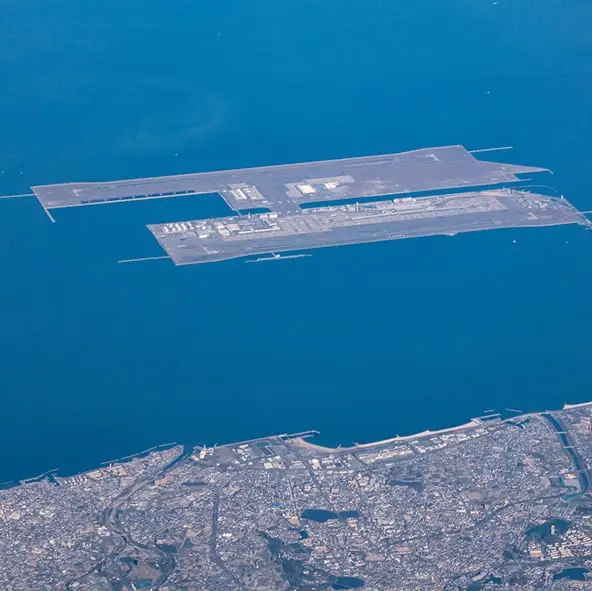
The airport located in Osaka Bay is sinking into the ocean just 29 years after first opening.

Japan’s Kansai International Airport was constructed from two artificial islands and cost a whopping $20 billion to put together.

It was thought at the time that all that money would be worth it to have a unique airport experience for people flying into the country.
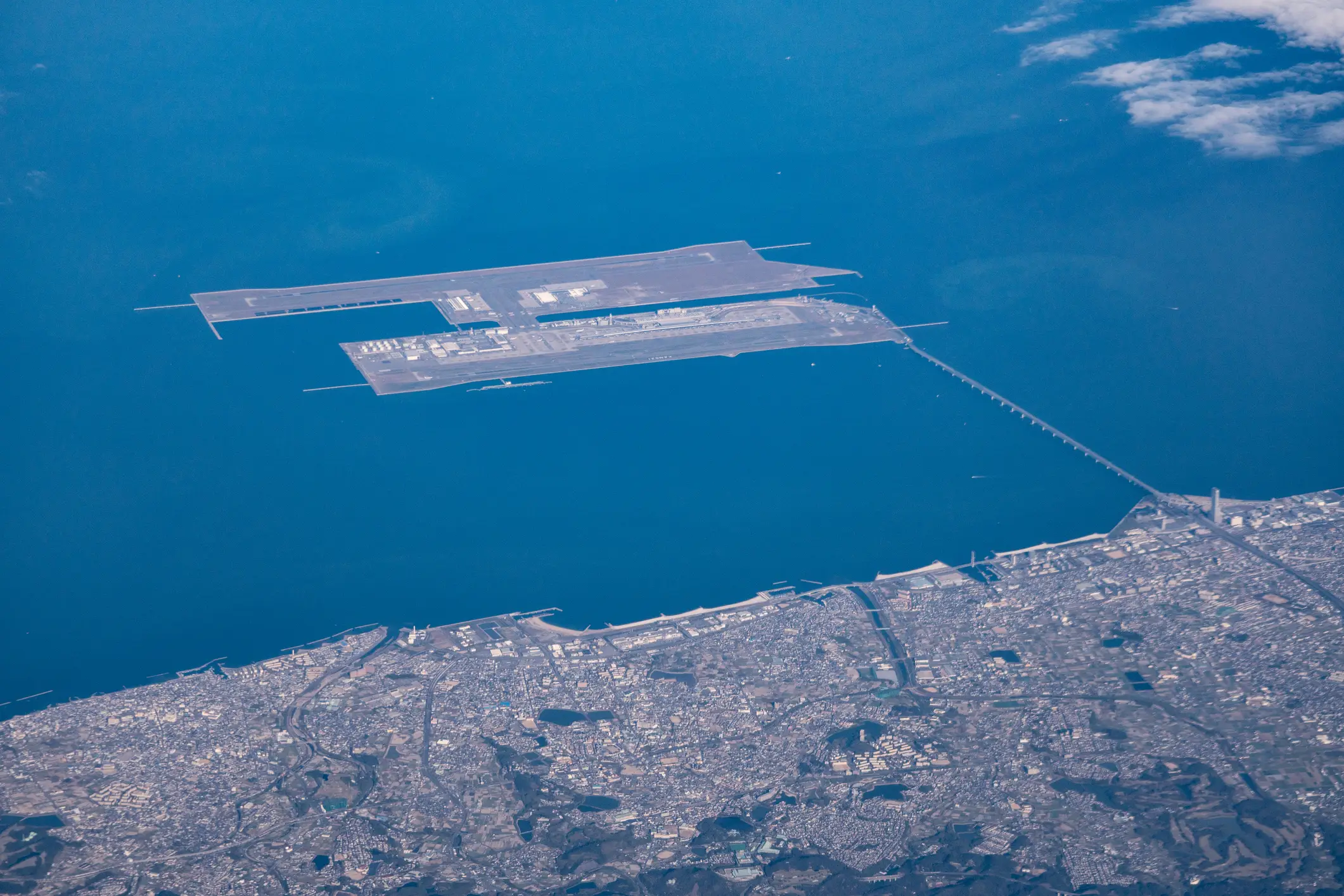
The airport was built on a manmade island in the ocean (Taro Hama @ e-kamakura/Getty)

Advert

When it was built, it was predicted that the airport would sink by around 18.7 ft but within the first five years, it actually sank 27 ft.

Japan has been pumping money into the project to keep it above sea level, even spending over $148 million on raising the seawall to save it.

But it seems that it was only putting off the inevitable.

Since opening its doors and runways in September 1994, the airport has sunk more than 38 ft and some engineers believe that the island will sink another 13 ft by 2056, plummeting down to sea level.

Despite billions of dollars of investments, it continues to sink by 7 cm a year.
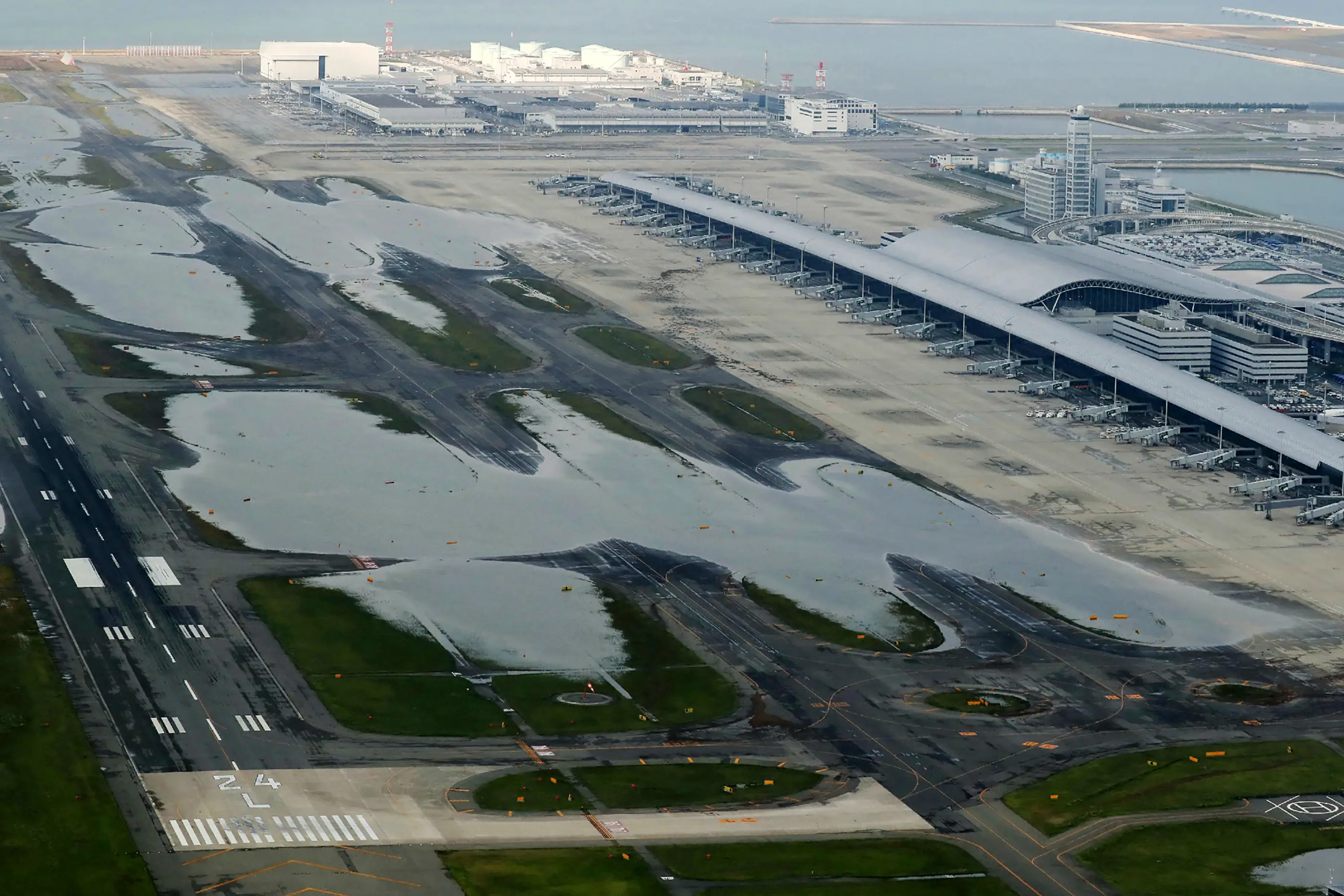
The airport is prone to flooding in bad weather (JIJI PRESS/JIJI PRESS/AFP via Getty Images)

So it makes us wonder - why build an airport in the ocean in the first place?

A huge issue for Japan is space - the country is smaller than the state of California with triple the population, so building it on water instead of land freed up space for other buildings.

And building on water isn’t new for Japan, it’s a method they’ve been using for years, but it isn’t working in this case due to how big the airport is.

Kansai International Airport has the longest runway in the world that's just over a mile long.

It has also been hit by several earthquakes and typhoons, which haven’t helped the situation.
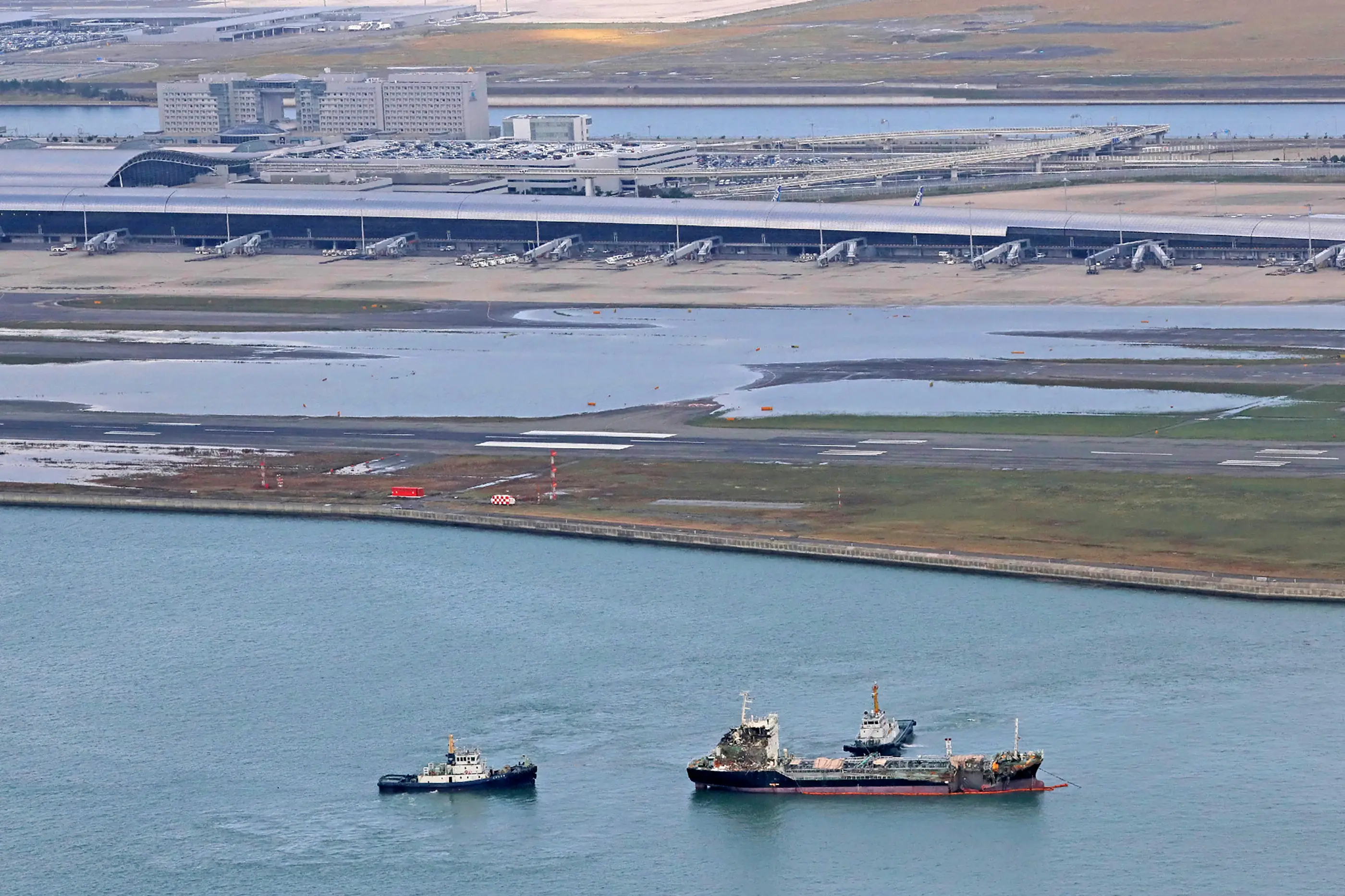
Kansai International Airport is sinking into the ocean (JIJI PRESS/AFP via Getty Images)

In 2018, a deadly typhoon hit western Japan and caused major destruction. The runways were flooded and the bridge which connected the offshore airport to the mainland was destroyed when a tanker crashed into it during the storm.

Over 3,000 passengers were stranded at Kansai overnight with some recalling how there was ‘no power’ and ‘no air conditioning’.

The future for the airport is uncertain but right now, more than 20 million people pass through it each year and nearly a million tonnes of cargo is transported using the island.

While it’s still a huge hub for Japanese travel and is a piece of engineering genius - it looks like it might soon meet its match with Mother Nature.

Choose your content:

an hour ago
2 days ago
3 days ago
  • Tom Werner/Getty Images
    an hour ago

    Science says doing this for 90 minutes a week could add years to your life

    This activity can lower the risk of premature death

    Science
  • Blue Origin
    an hour ago

    Jeff Bezos' Blue Origin makes oxygen from Moon dust in game-changing spaceflight success

    One step closer to establishing a permanent home for mankind on the Moon

    Science
  • ISS / NASA
    2 days ago

    ISS astronauts ordered to take shelter as they're put on 'evacuation alert' over 'air leaks'

    NASA has told astronauts to prepare for a potential evacuation

    Science
  • DrPixel/Getty Images
    3 days ago

    UN warns AI will trigger a historic resource crisis for billions by 2030

    AI data centers could come with huge environmental costs

    Science
  • Plane carrying 180 passengers forced to divert after common gadget found in luggage
  • $20,000,000,000 'floating' Japanese airport located in the middle of the ocean is sinking rapidly
  • US Navy 'Doomsday Plane' vanishes from tracking over Atlantic Ocean
  • Little known reason why airplanes 'disappear' from radar when flying across ocean