YouTuber left 'questioning everything' after testing top sunscreens against each other


One YouTuber has taken one for the team and put the most popular sunscreens to the test to see the effects in their truest form.
With skin cancer rates continuing to rise, health experts are warning that unprotected sun exposure is one of the most preventable risk factors. In fact, getting sunburnt just once every two years can triple the risk of developing skin cancer compared to never burning at all.
According to the Skin Cancer Foundation, daily use of SPF 15 or higher reduces the risk of developing squamous cell carcinoma by 40 percent and lowers the risk of malignant melanoma by 50 percent.
Advert
But with shelves full of options promising SPF 50+ protection, can we be sure they actually deliver what they claim?
One YouTuber decided to find out and what she discovered left her 'questioning' some major sun care brands. Currently Hannah, a popular health and lifestyle YouTuber, is set to compare Australian and Japanese sunscreens head-to-head. Curious about whether the same SPF (Sun Protection Factor) rating delivered the same level of protection across different formulas and brands, she trialled each one on her skin.
In Australia, sunscreen is classified as a therapeutic good and is held to the same rigorous standards as pharmaceuticals. However, in Japan, where skin cancer rates are comparatively low, sunscreen sits alongside cosmetics and is not as pushed among the public as it is in Australia.
To test how the sunscreens held up under real conditions, Hannah spent 100 minutes in her hot tub in 20-minute increments, using one leg as the Australian sunscreen test and the other for Japanese formulas. She spent a total of three hours outdoors to give enough time to compare the sunscreens.
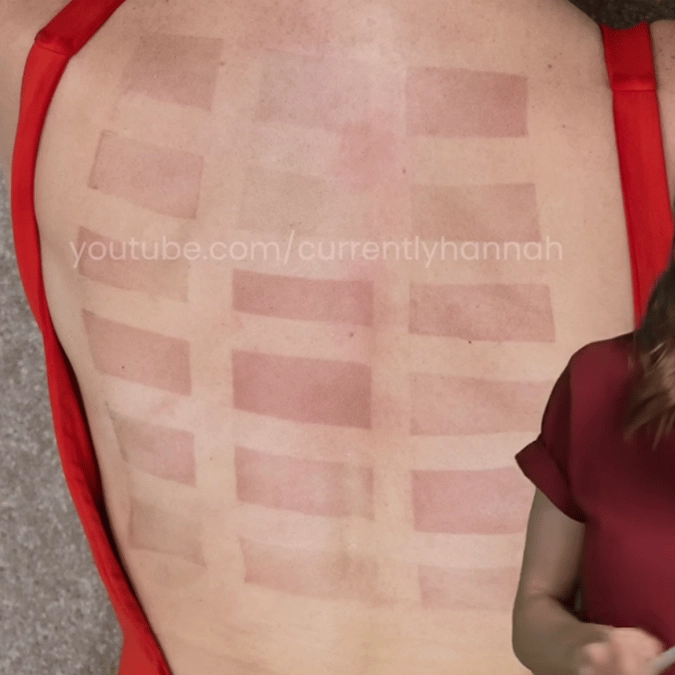
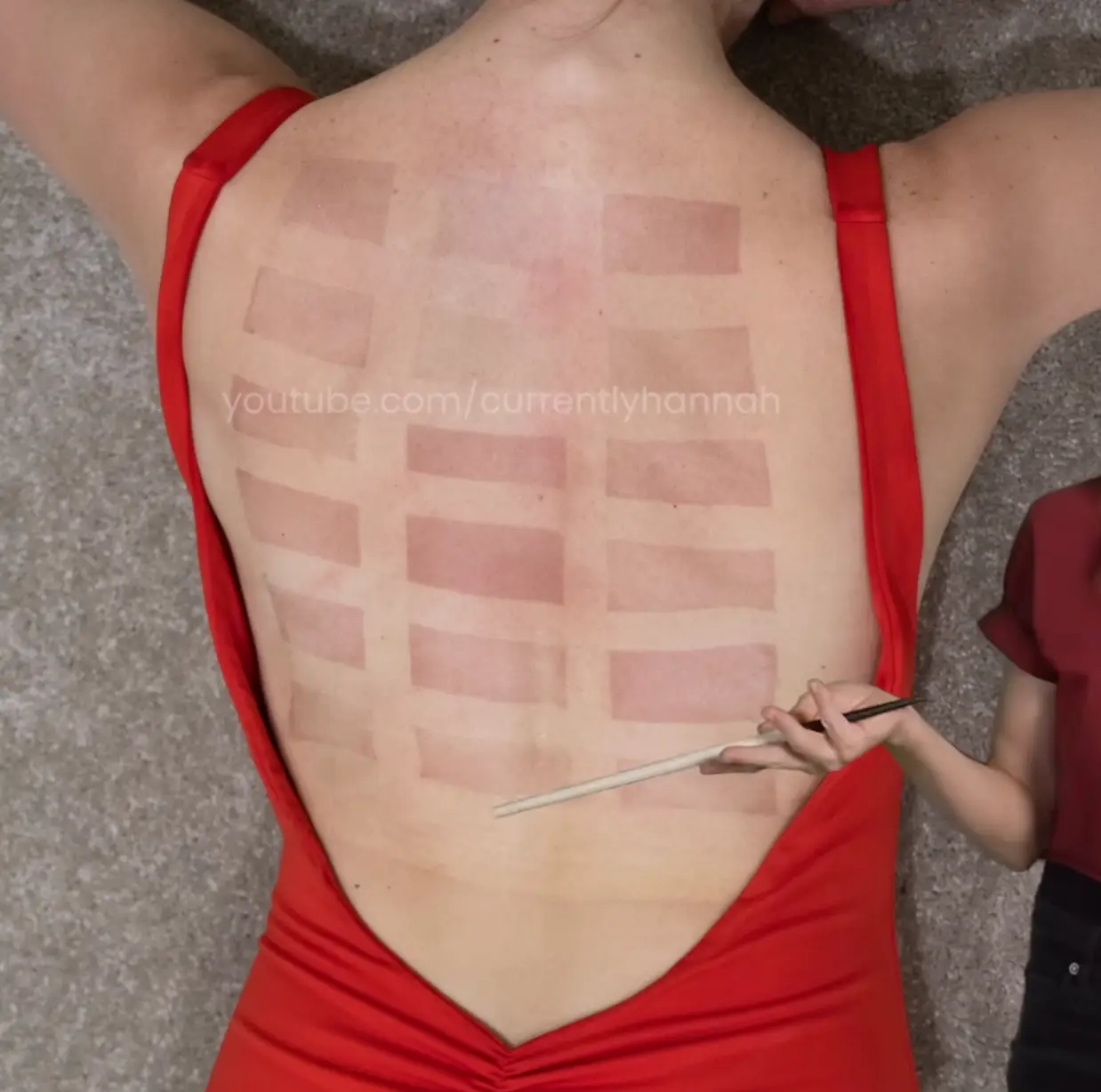
For her back comparison, she used green tape to divide the skin into sections and applied around15 different SPF 50+ sunscreens.
To her surprise, many of the sunscreens performed a lot worse than their packaging suggested. The top performers were La Roche-Posay in third place, the Japanese brand Minon UV Milk in second, and Biore Aqua Rich Gel in first place.
At the other end of the scale, Suncut UV Spray came in as the third-worst performer, and Nivea Water Gel SPF 35 was the second-worst. And the worst-performing sunscreen that made Hannah 'question everything' came out as Bondi Sands Zinc Face Fluid.
"The number one thing that I've learned above all else is that our search for the perfect sunscreen is flawed because there is not one perfect sunscreen that's going to suit every single person, every kind of skin type and tone, and every level of activity," she explained after her study.
The content creator also challenged the belief that the highest SPF means the best protection, pointing out that if a formula feels unpleasant on your skin, you're less likely to apply enough of it.
At the end of her experiment, she gave her viewers some advice on how to find a reliable everyday sunscreen. She recommended looking for one with SPF 30 or higher, suited to your activity level, comfortable enough that you will actually wear it consistently, and within your budget.