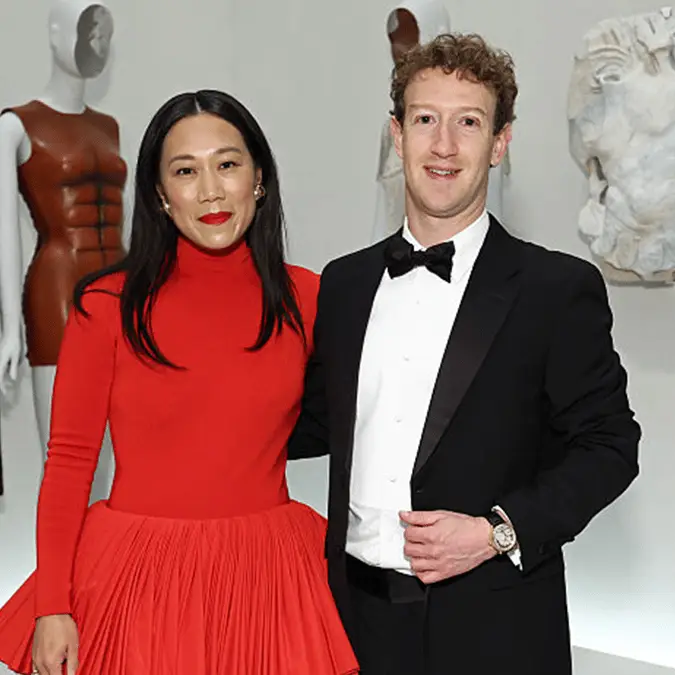
Reason why Mark Zuckerberg skipped the Met Gala red carpet as he attended event for first time ever


The Met Gala has long been fashion's most extravagant night out, but this year's edition has earned a new nickname, the Tech Gala.
Silicon Valley's presence at the event has never been more apparent and the 2026 instalment made that clearer than ever, with tech money, tech power and tech controversy all sharing the spotlight.
Co-chaired by Beyoncé, Nicole Kidman, Venus Williams, and Anna Wintour, with Sabrina Carpenter and the legendary Stevie Nicks headlining the entertainment, this year's gala raised a reported $42 million for the Met's Costume Institute.
The eye-watering figure surpassed last year's $31 million and set a new benchmark for the event. The proceeds from the Met Gala go to charity, while the $42 million will fund the Met’s Costume Institute, which houses over 35,000 works.
Advert
How the Met Gala became the Tech Gala
Tech's infiltration of the Met Gala is not entirely new. Amazon was the first technology company to sponsor the event back in 2012, with Yahoo, Apple, Instagram, and TikTok following in subsequent years.
But this year, big tech's presence was bigger than ever.
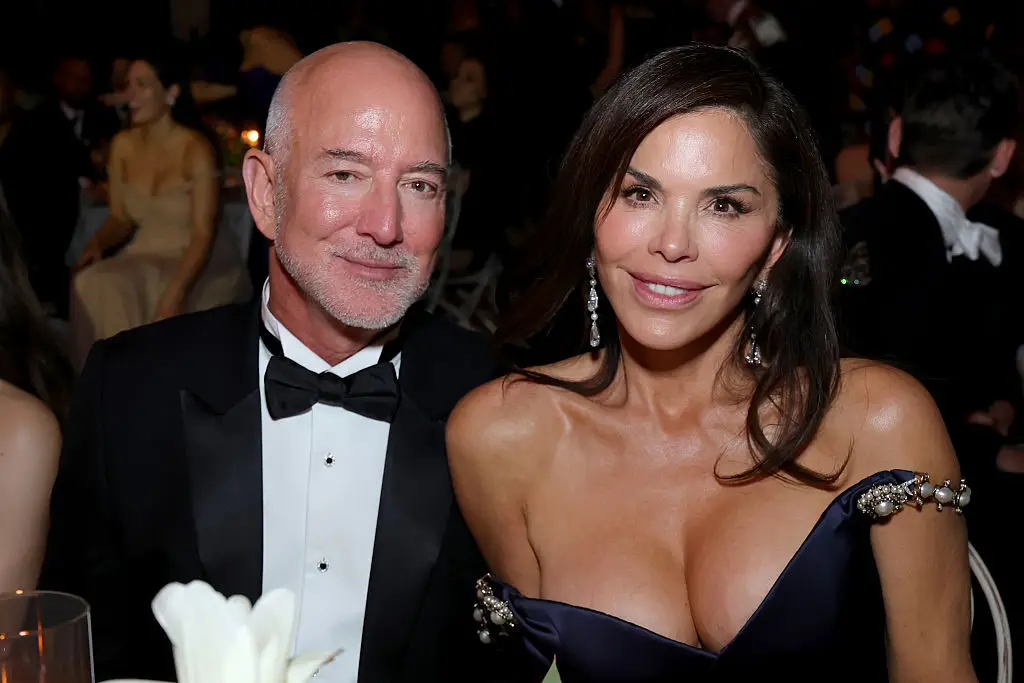
Honorary chairs Jeff Bezos and Lauren Sánchez were the headline sponsors, reportedly donating $10 million and dominating the spotlight. Lauren walked the red carpet in a Schiaparelli gown, though Bezos himself appeared to slip inside the venue by avoiding the carpet entirely.
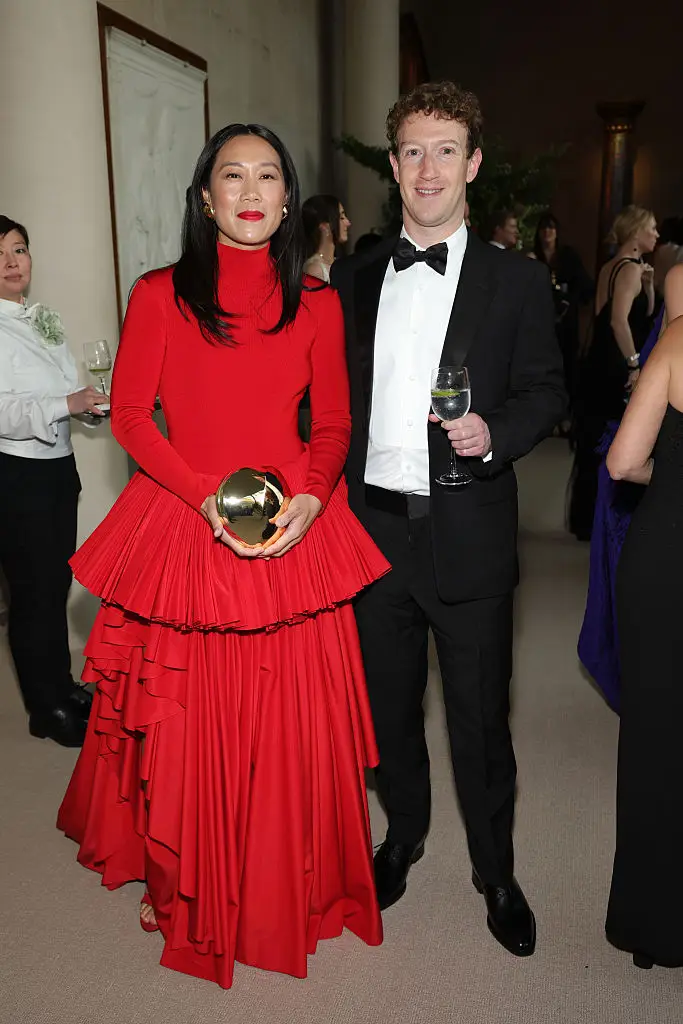
First-time attendee Meta's Mark Zuckerberg made the same choice, arriving with his wife Priscilla Chan, but avoiding the steps and the cameras altogether.
The decision is believed to have been a deliberate effort to sidestep the protests and criticism that surrounded the event.
What other tech figures attended the Met Gala?
Previously, the event was defined by models, actors and cultural icons, but it's now opened its doors to a different kind of fame.
This year, Snapchat co-founder Evan Spiegel, Instagram CEO Adam Mosseri, Google co-founder Sergey Brin, OpenAI head of partnerships Charles Porch, and Amazon executives Christine Beauchamp and Jenny Freshwater all made appearances on the carpet.
However, OpenAI CEO Sam Altman reportedly didn't attend the event.
Why the tech takeover has proved controversial
Not everyone has welcomed Silicon Valley's growing influence over the event.
When the Bezoses' involvement as honorary chairs was announced, calls for a boycott spread quickly across social media. Those calls have since translated into real-world action.
Activist group Everyone Hates Elon - a reference to Elon Musk - spent weeks plastering New York City with posters urging people to reject what they called the commercialisation of the event by billionaires.
In reference to Amazon's allegations of labour violations, one poster reportedly read: "The Bezos Met Gala: Brought to you by worker exploitation."
On the morning of the gala, a coalition of organisations including the Service Employees International Union, the Strategic Organizing Center, and the Amazon Labor Union staged a 'Ball Without Billionaires' fashion show in downtown New York. Workers from Amazon, Whole Foods, The Washington Post, Starbucks, and Uber served as models, wearing pieces by ethically-minded designers.
"If there is that money to sponsor this gala, there should also be money to pay the workers fairly," said Cindy Castro, a New York-based designer who immigrated from Ecuador and whose work featured at the alternative event.