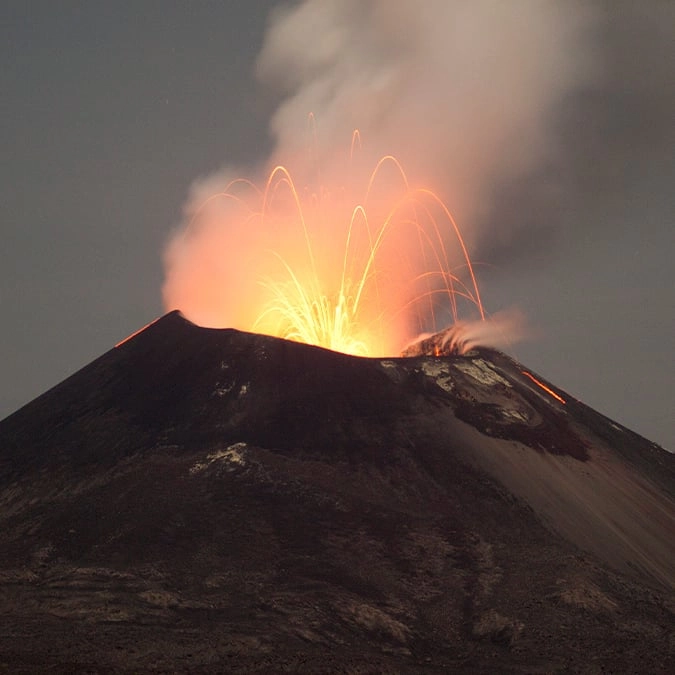
Volcano travel chaos worsens overnight as 268,000 passengers are hit and eight airports still affected


Hundreds of thousands of passengers have now been left stranded after a volcano eruption caused flights to be grounded and impacting eight airports.
Indonesia’s Anak Krakatau, which is a volcanic island located between the islands Java and Sumatra, started erupting on Friday (September 4), with winds carrying ash into populated areas.
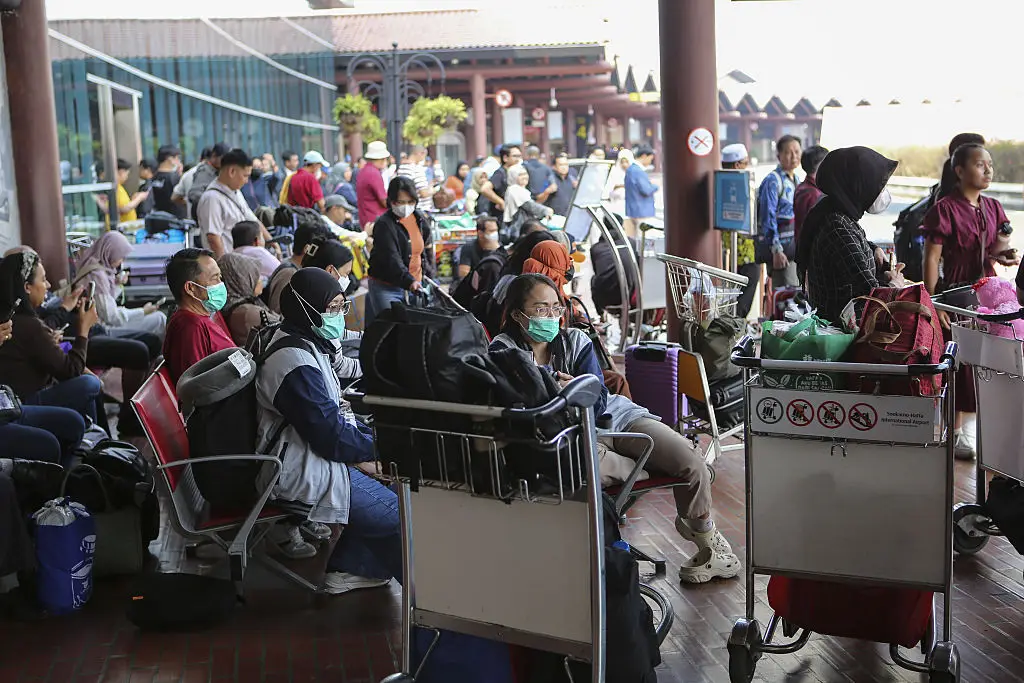
By Sunday (September 6), this resulted in Soekarno-Hatta International Airport in Jakarta to close its doors before several other airports followed suit.
This has caused chaos among travelers however, with a reported 268,000 stranded after flights were canceled.
Advert
Disruptions have taken place across the country, with schools closed and over 2,300 flights canceled.
The chief of disaster mitigation agency BNPB, Lieutenant General Suharyanto, said in a press conference: “If it rains heavily enough, the volcanic ash that has been disrupting our daily lives since yesterday and continuing today will be washed away quickly.”
Authorities are urging local residents to remain indoors until conditions clear as the ash can be a health hazard.
When will flights resume after the volcanic eruption?
It is not yet clear how long passengers will be left waiting for flights to resume, as it seems now authorities are trapped in a waiting game for the ash to clear so that planes can take off.
According to a report by People, several passengers affected by the volcanic eruption have spoken out about their experience.
Indonesian traveler Michele Gouw said: “It’s a natural disaster, it’s a force majeure, so what can we do? We just have to accept it and wait for the airline and airport directions.”
Meanwhile, Spanish tourist Diego Urdiales went on to add: “It’s of course an inconvenience, I was supposed to get input from the airline ... but so far no news.”
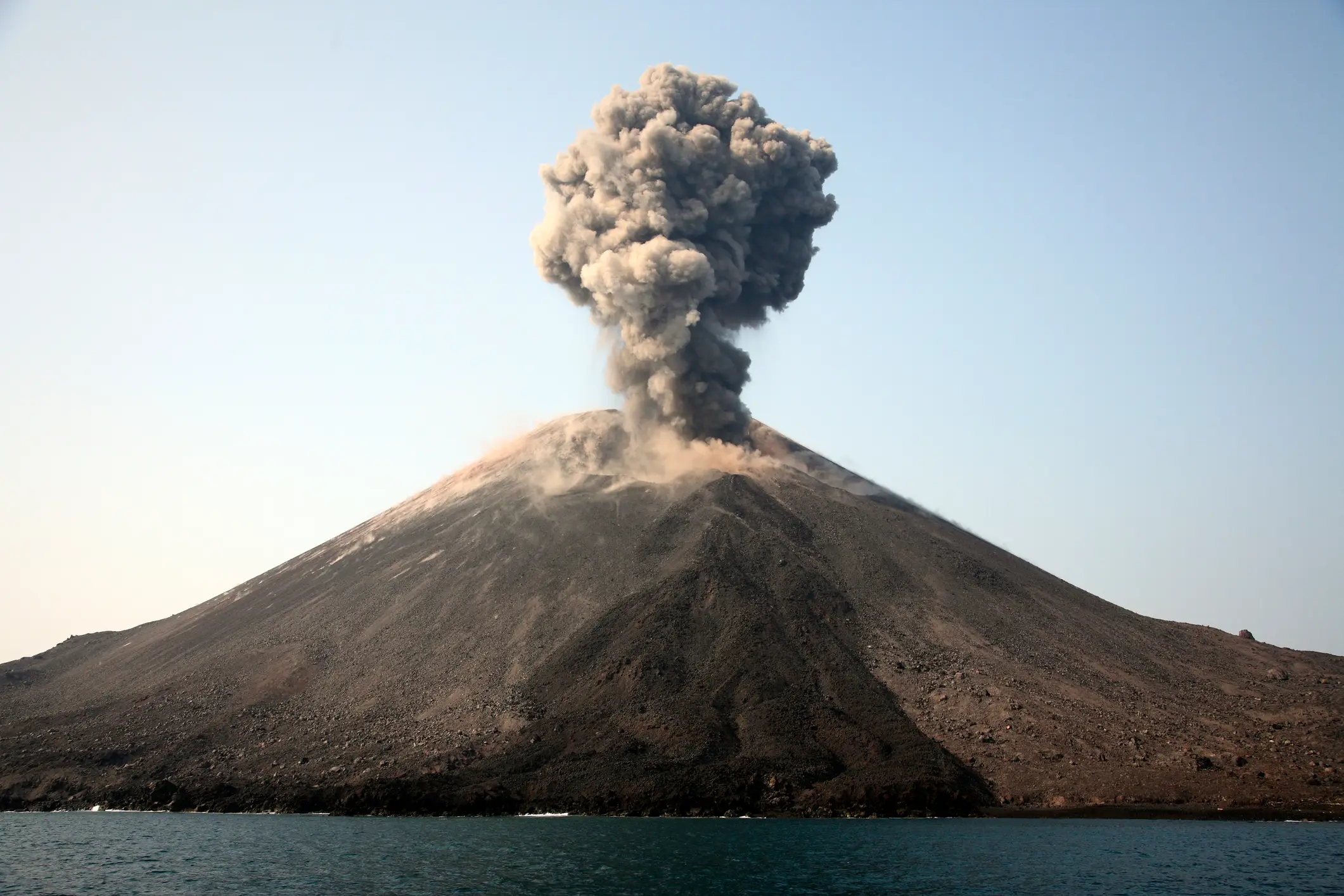
Previous eruption of the Indonesian volcano
Previously, the volcano experienced a large eruption in December 2018, which resulted in a deadly tsunami, with 437 people killed from the event and a further 14,059 left injured.
This made it the second deadliest volcanic eruption of this century to date.
Around a year and a half later in April 2020, the volcano erupted again and, according to the Center for Volcanology and Geological Disaster Mitigation's (PVMBG) magma volcanic activity report, it let out a whopping 660 ft into the air with ash and smoke.
During the event, there was no report of widespread damage, with the eruption ending several hours after it had begun.