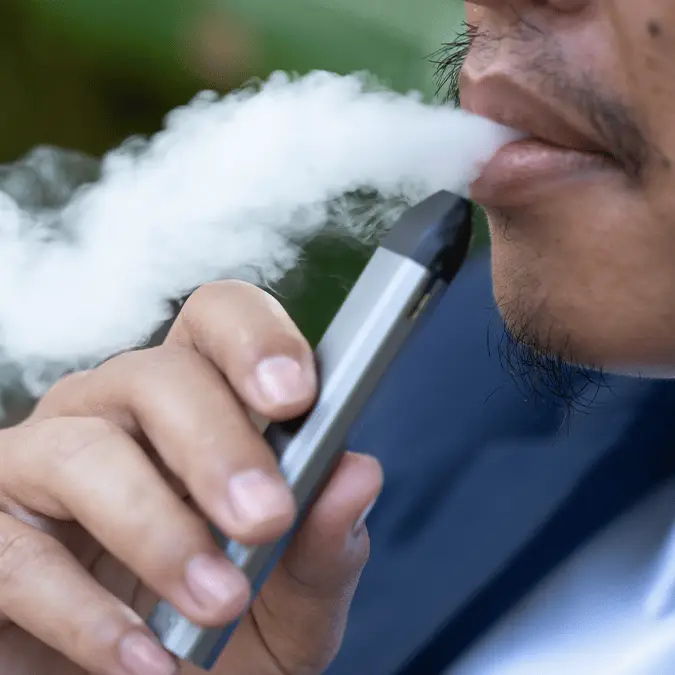
Major US city to expand existing public smoking restrictions to include vaping in less than a month


Dallas will expand its current restrictions on smoking in public, including those on vaping.
Rules are already in place stipulating where members of the public can smoke when in the Texas city, specifically traditional cigarettes.
However the newly tightened regulations will include e-cigarettes. As a result of the new rules, vaping will be prohibited in all the places where traditional smoking is currently banned.
This includes bars, workspaces, and parks. This means city officials will relegate vaping and the use of more traditional smoking methods the same.
Advert

The new measures were approved by city leaders last year when the Dallas City Council updated its 2003 public-smoking ban.
The revised rules broadened the definition of smoking to include vaping devices, which have grown in popularity in recent years, and other electronic products that generate inhaled aerosols.
The change has come about at the same time as increasing calls for consistent enforcement across all forms of nicotine use, particularly in public spaces.
Dallas is the most recent Texas city to redefine its rules on public nicotine use. San Antonio prohibited vaping last year, Austin adopted comparable restrictions in 2017, and Houston implemented its ban in 2022. Each city has moved to align vaping regulations with long-standing bans on smoking in indoor public spaces.

Once promoted as a safer alternative to traditional cigarettes, e-cigarettes and vapes are now facing mounting scrutiny as emerging research sheds light on their potential long-term health risks.
One of the most dangerous aspects of vaping is how little data scientists have when it comes to tracking the long term effects of the electronic gadgets, yet many speculate that it could have a worrying link to an increased risk of dementia, heart disease, and organ failure.
What was once marketed as a cleaner form of nicotine consumption is increasingly linked to concerns about respiratory damage, addiction, and unknown chemical exposure. As evidence grows, so do calls for tighter regulations, prompting communities and policymakers to reconsider how these devices fit into existing public-health frameworks.
The revised Dallas policy also bans people from vaping within 15 feet of any entrance to an indoor public facility. Officials said the distance is intended to keep vapor from e-cigarettes from drifting inside buildings when doors open or close. The rule mirrors the buffer zones already in place for traditional cigarette smoking close to public entrances.
Dallas officials have also set a penalty for breaking the rules. You could be fined up to $500, and the city plans to enforce the fine the same way it does with penalties for traditional smoking.