
Trial reveals training Mark Zuckerberg received on how to be 'less robotic'


As drama continues to unfold across the streaming world and social media, tech executives and their companies are increasingly under legal scrutiny.
Recently, Mark Zuckerberg appeared in a Los Angeles courtroom on Wednesday (18 February) to testify in a civil trial following claims that social media platforms are designed to be addictive.
Previous legal cases involving TikTok have confirmed that people can become 'addicted' to these platforms in just 35 minutes.
Now, Zuckerberg faces questioning about the specific features within Facebook and Instagram that may contribute to this problem.
Advert
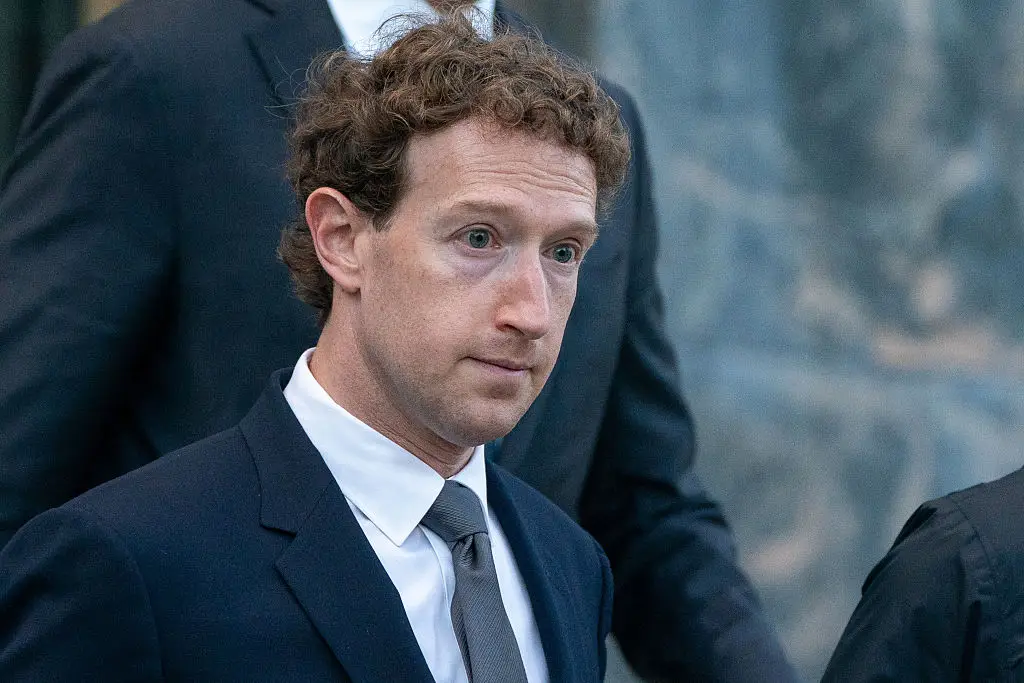
This is the first time that the Meta CEO has appeared in a civil trial and the case could reshape how social media apps operate in the future.
The lawsuit centres on a 20-year-old California woman who alleged in 2022 that Meta, TikTok, Google, and Snapchat deliberately create addictive features targeting teenagers, while ignoring their own internal research showing their potential health risks. During his testimony, the 41-year-old faced questions about his company's policies regarding underage users and Instagram's beauty filters.
The CEO also faced more personal questions after the jury was shown a document titled the 'Zuckerberg comms plan,' which includes advice on how to avoid appearing 'fake, robotic, corporate and cheesy.'
When plaintiff's attorney Mark Lanier asked if people typically use something more when it's addictive, Zuckerberg responded: “I’m not sure what to say to that. I don’t think that applies here."

According to CNBC, the plaintiff's attorneys noted that approximately 4 million children under 13 used Instagram, despite Meta introducing several child safety measures.
Zuckerberg claimed that Meta removes underage users it finds and provides age-related information during account creation.
Meanwhile, the tech billionaire was asked about Instagram’s AI-powered beauty tools that alter a person’s on-screen appearance, which critics have argued harm users' self-image.
While he acknowledged the company's negative feedback, the American businessman decided against banning them, arguing that doing so would prevent freedom of expression.
Lanier also pressed Zuckerberg about his past testimony to Congress, in which he denied that Meta sets internal targets for increasing user time on the platform. Faced with documents suggesting otherwise, Zuckerberg admitted his company had once had such goals but had since discontinued them, AP reported.
Later on, Zuckerberg told the court he wants his platforms to have a 'positive impact on people’s lives,' according to Sky News.
In a particularly poignant moment, Zuckerberg turned to the room to apologise to the affected families.
“I’m sorry for everything you have all been through,” he said. “No one should go through the things that your families have suffered.” He added that his company has invested in 'industrywide efforts' to safeguard children.