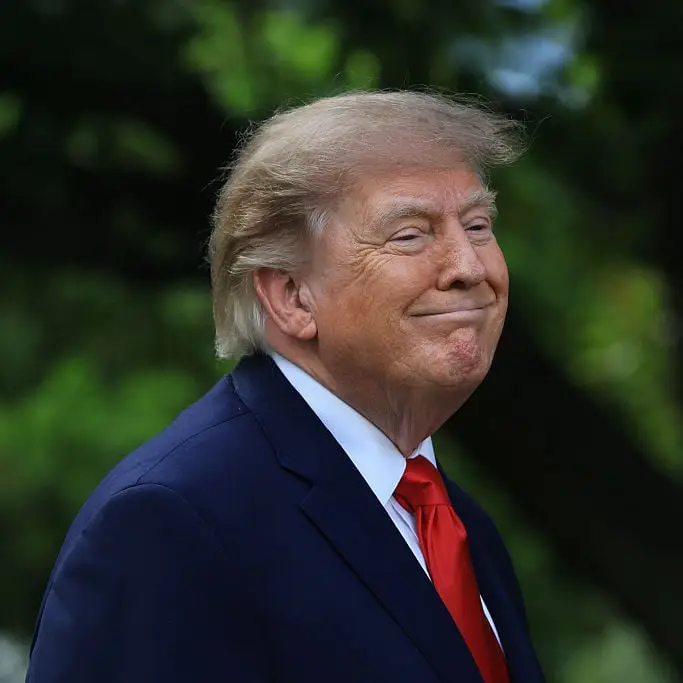
Every single stock trade Trump made in July revealed in massive new disclosure


US President Donald Trump's latest stock dealings have been revealed in a new disclosure, exposing investments and sales in SpaceX that some have deemed to be a concerning conflict of interest.
While many previous presidents have stayed clear of the stock market in order to remain impartial during their time in office, Donald Trump has made no secret of his extensive dealings — many of which have been called into question.
Between endorsements of companies owned by top donors and investments in companies directly connected to the government, Trump's stock market activity has challenged ethics considerations more than any American leader in recent memory.
His latest trades saw him put financial faith in another potential ally, however, with SpaceX's recent IPO getting a vote of confidence from Trump despite his past conflicts and troublesome relationship with Elon Musk.
What stocks did Trump buy and sell in July?
As reported by NBC News, a new public financial disclosure has revealed that, among more than 1,000 other trades during the month of July, Trump bought and sold a significant amount of SpaceX shares.
Advert
On July 10 it is detailed that Trump purchased anywhere between $15,001 and $50,000 on the now-public space agency's stock following the biggest-ever IPO in June.
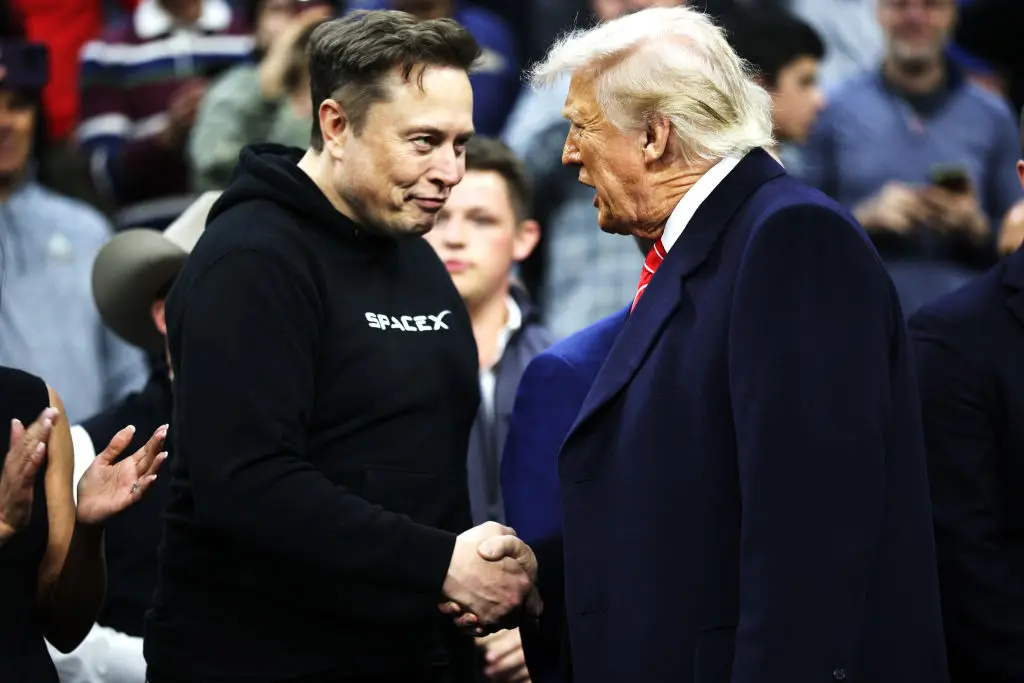
Just a week later on July 17 is it then indicated that between $1,001 and $15,000 of those shares were sold — although that was likely at a loss as the per-share price declined from $145.30 to $123.99 across that time period as part of a continued free fall.
While there's technically nothing wrong for an elected official, including the president, to own and trade stocks, the close involvement of SpaceX in the government's space activity – and the potential close relationship of Trump and Musk – have prompted many to allege that this is a conflict of interest at best, and has the potential for insider trading at worst.
Could Trump face any legal consequences for these deals?
While there is no concrete evidence to support both of the aforementioned allegations, what might shock you is that Trump likely wouldn't even face any legal disciplinary action if there was.
It remains very much a gray area that Trump is arguably more than willing to take advantage of right now, but previously implemented federal ethics codes indicate that the president alone is exempt from prosecution in regards to potential financial crimes like this.
An amendment to the federal ethics code, codified by Congress in 1989, mandates that anyone serving as president is exempt from conflict of interest laws, and the same largely applies to insider trading rules too.
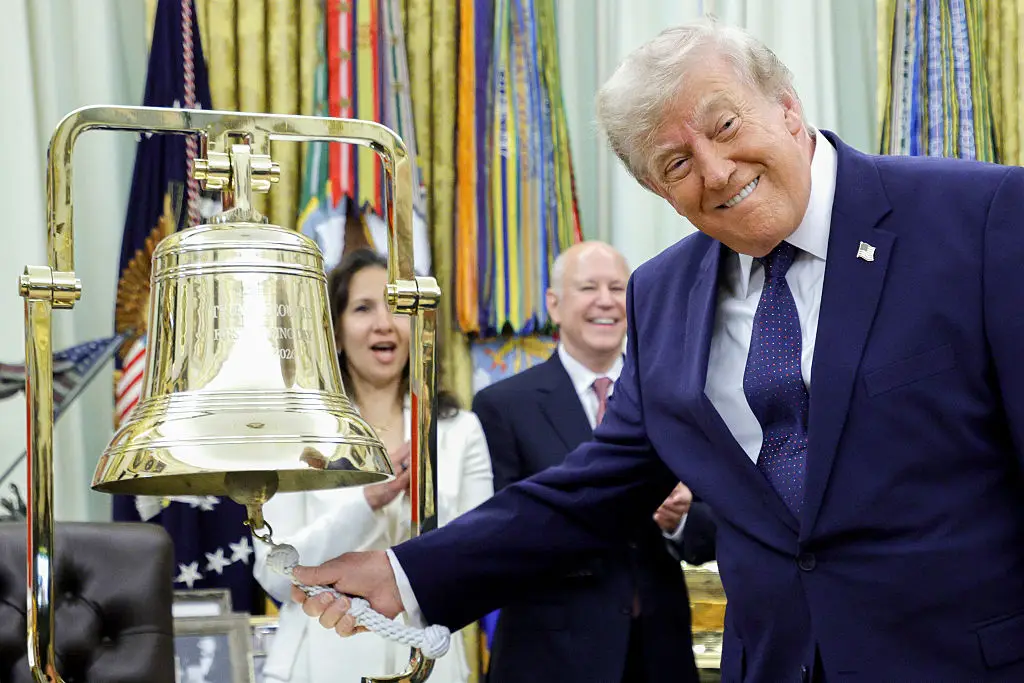
The president, for example, is subject to the 1978 Ethics in Government Act when it comes to public financial disclosure requirements – which Trump has dutily followed through his two terms – but escapes many of the rules relating to conflict of interests.
As per Issue One, Trump remains subject to rules relating to anti-nepotism and bribery, and is prohibited from receiving benefits from a foreign leader through a company owned by himself without the consent of congress.
Additionally, one key 'loophole' is that Trump claims to remain independent from his stock dealings, with third-party institutions reportedly managing his stock portfolio independently — and these companies claim that the dealings replicate "recognized indexes, such as the Schwab 1000."
Many of the deals that appear to benefit Trump are also processed through the Trump organization – operated by members of his family like his sons – of which the president has stepped back from during his time in office.
Addressing how President Trump is able to escape legal scrutiny, Richard Painter, who served as the chief White House ethics advisor during the Bush administration, outlined:
"If he were defense secretary, he would be committing a crime. Technically he can do this, but it is a fundamental breach of trust," Painter indicated when speaking to AP.
This doesn't absolve him from the possibility of impeachment, but that would require both the House of Representatives and the Senate to reach a simple majority (more than 50%), which isn't ever going to happen in the current climate.