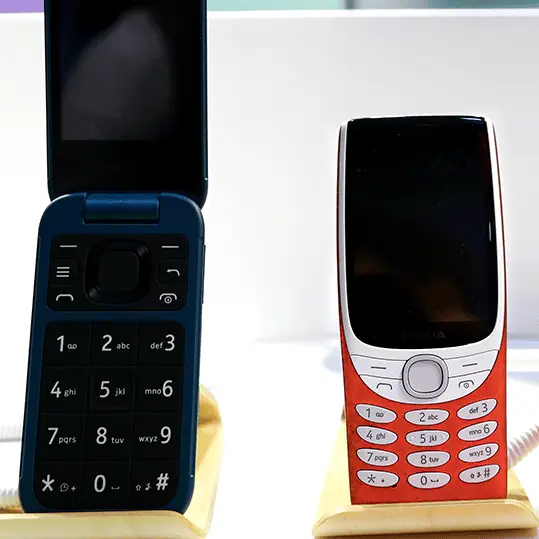
Nokia's disastrously wrong prediction after iPhone's release in 2007 that led to a historic loss


Nokia might just have sealed their future with a 'disastrous' prediction following the announcement of the iPhone, as Apple's device would prove to accelerate the future of the smartphone industry.
It's been a given for over a decade now that iPhones largely dominate the smartphone market. There's strong competition from both Samsung and Google with their own gadgets, but Apple's chokehold on the industry has remained strong.
That wasn't always a given though - especially at the first iPhone's launch where key phone manufacturers poorly underestimated just how much of an impact that the touchscreen device would have.
Companies like Nokia, Motorola, and Blackberry all favored the physical, often QWERTY keyboard formats that were often oriented towards business consumers, but the emergence of the iPhone's 'cool' design changed everything forever.
Advert
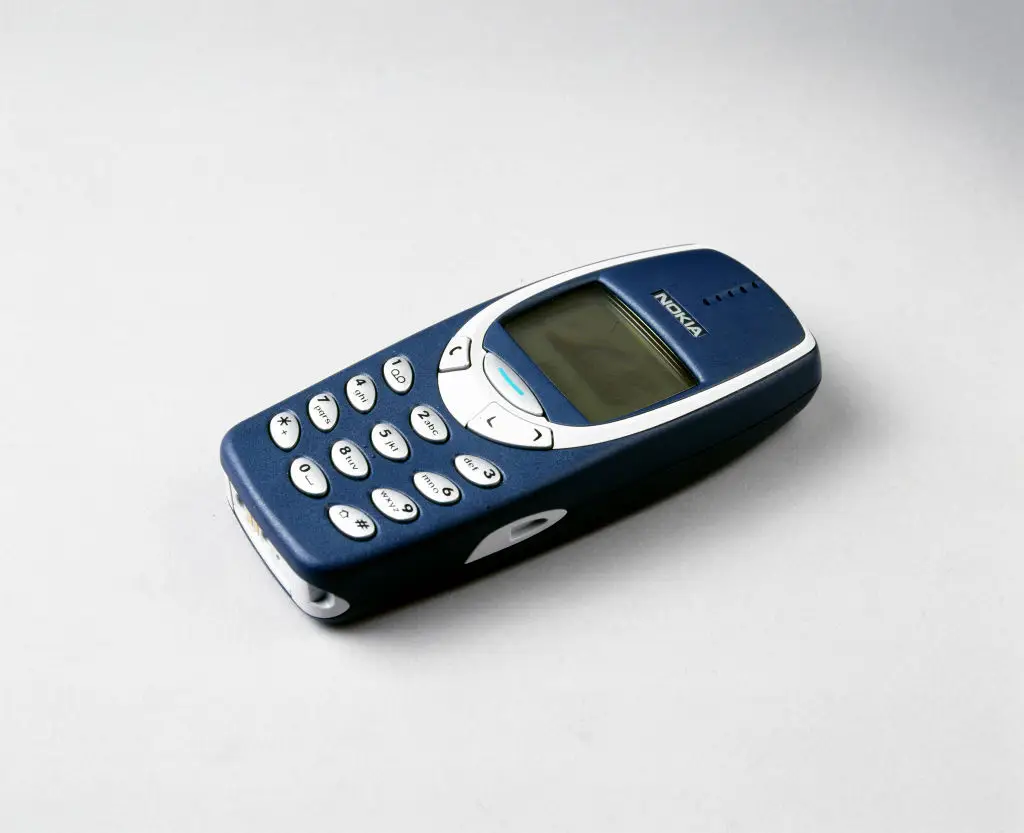
One Nokia presentation from 2007 on the iPhone launch specifically highlights some of the potential benefits that Apple's device has over their own, but there are a number of costly predictions that no doubt led to the company's significant losses.
The first, and perhaps most significant, lies within a slide titled 'iPhone has the biggest impact on the definition of coolness'.
It hypothesizes whether mass market consumers will resonate more with the 'pure touch input' of the iPhone, which we now see as the be-all-end-all when it comes to smartphones.
They argue: "Even though Steve Jobs emphasized iPhone superiority to 'Buttons', it is to be expected that the Consumer QWERTY category will continue to succeed."
As we all know now, that prediction couldn't be more wrong. Physical keyboards quickly became a thing of the past, and Nokia were certainly on the money when it came to the 'cool' factor of pure touch input.
The other costly prediction involved sales figures and market share, although it's not perhaps in the areas that you might expect.
Nokia outlined that Apple could hold a 0.6% and 1.1% global handset market share in 2007 and 2008 respectively, making it reach the top ten of all companies by the latter date.
Of course, they remain at the top of the charts across both years with 34% and 32.9% market share, and their numbers are based on a 'highly speculative' estimate that the iPhone would sell 6.5 million and 14 million units in 2007 and 2008.
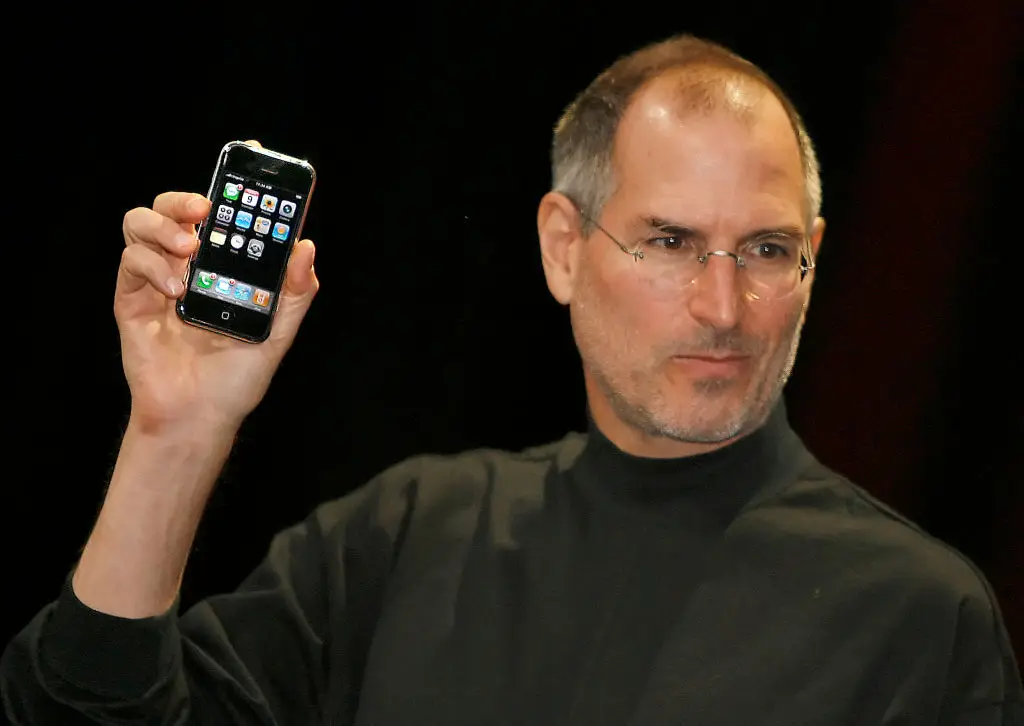
These actually turned out to be a bit too generous for Apple's product, as the iPhone actually only managed 1.39 million in 2007 and 11.6 million in 2008. However, these numbers would rapidly accelerate reaching a point where it almost doubled year-on-year until 2013.
Where Nokia faltered, however, was within their own market share. Reports from the Guardian indicate that the company reported a 30% drop in third-quarter profits in 2008, and where their sales dropped by around 3.1%, iPhone purchases increased by 327.5%.
The iPhone was certainly far from being the behemoth it is today, the closing months of 2008 were where the tide began to change for the smartphone market, leading to the same fate that other similar companies like BlackBerry have suffered.