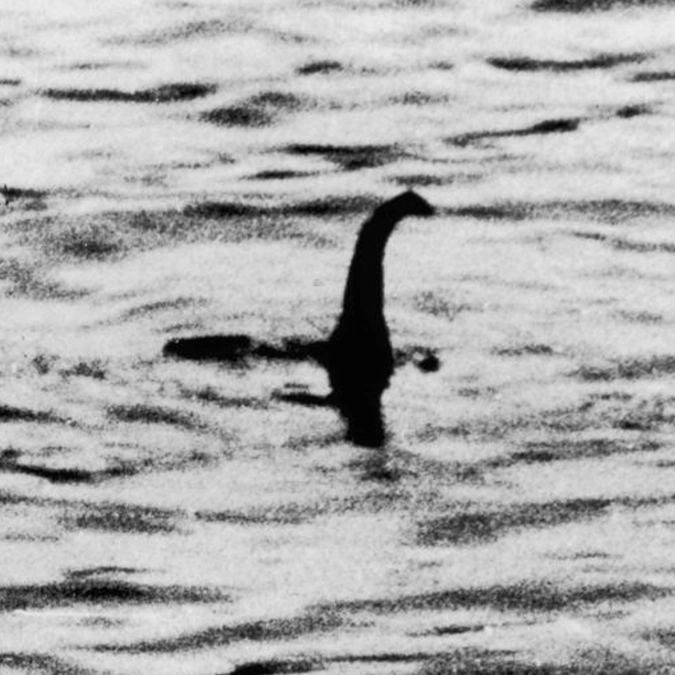
Loch Ness Monster expert makes shock admission after 52 years of searching for mythical beast


In case the fact that Adrian Shine is the founder of the Loch Ness Project wasn't a clue, he has something of an obsession with the mythical monster that's said to be lurking in the waters of Scotland's infamous body of water.
Up there with Bigfoot, the Jersey Devil, and the Chupacabra, the Loch Ness Monster is one of the most famous examples of creatures that monster hunters are determined to prove the existence of.
There's a whole pseudoscience of cryptozoology, which is something Shine has dedicated the past 52 years of his life to.
So, after all that searching and even moving himself to the Highlands just to be closer to Nessie, what's his conclusion?
Advert
Although the idea of a monster dwelling in the area was first mentioned in Life of St. Columba way back in the 7th century AD, it was brought to worldwide attention when the Courier published George Spicer's alleged sighting in 1933.
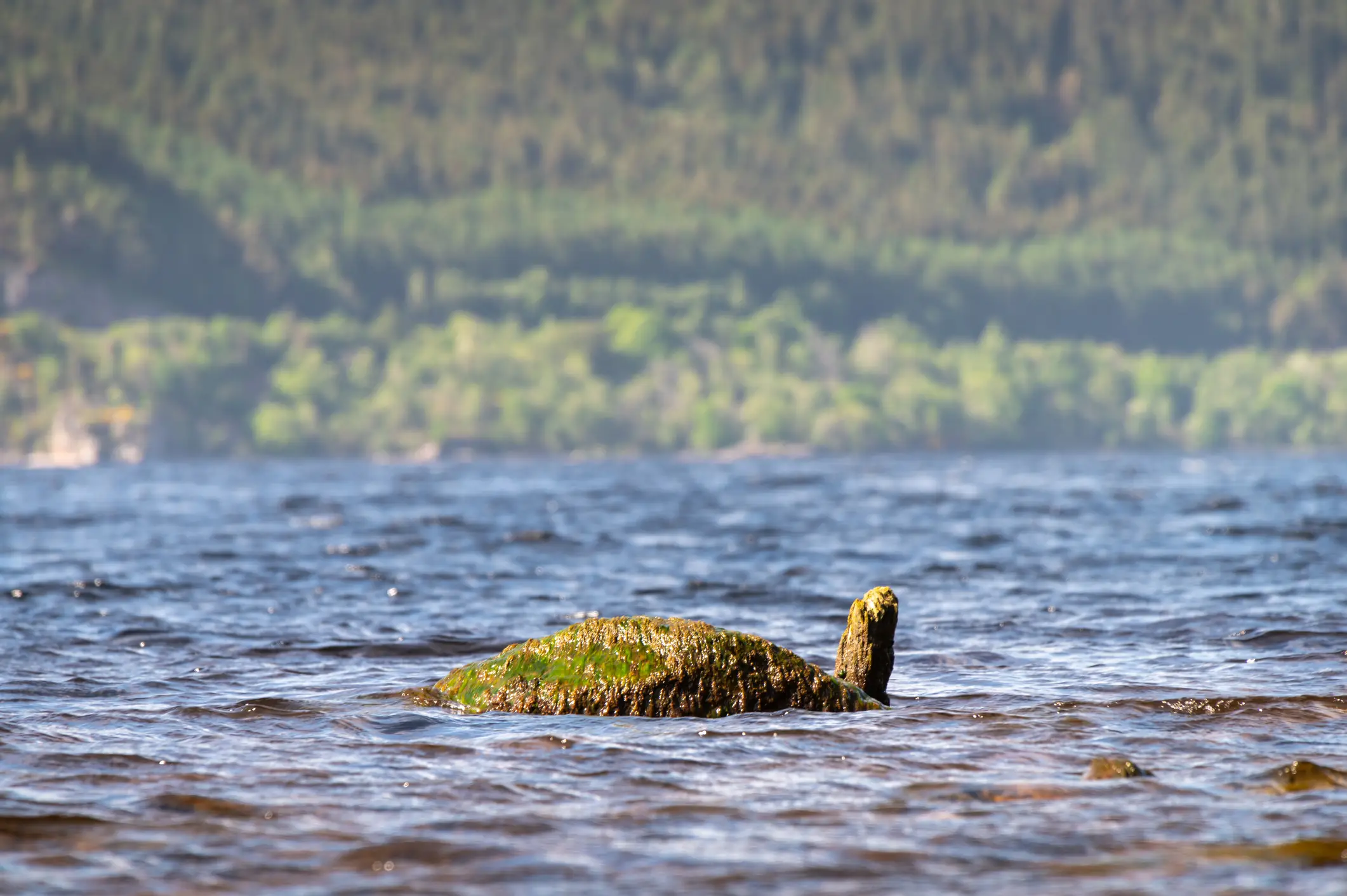
London gynaecologist Robert Kenneth Wilson produced the renowned 'Surgeon's Photograph' in 1934, while sonar readings, drone sightings, and even Apple Maps have also thrown fuel on the fire of the Loch Ness Monster's existence.
Still, there's much skepticism and just as many debunkings as there are 'credible' pieces of evidence.
In a somewhat tragic tell-all confessional, Shine has admitted that he no longer thinks the Loch Ness Monster exists, meaning he's spent half a century looking for nothing in the cold waters of the freshwater loch.
Speaking to Press and Journal, Shine explained how he moved in 1973 because he was fascinated with the idea of sea serpents.
He helped lead 1987's Operation Deepscan, where a flotilla of 24 boats carried out a full-length sonar sweep of the water, as well as 1994's Rosetta Project that drilled for 'time capsule' sediment cores.
In 2026, Shine has largely given up hope of finding the Loch Ness Monster, telling the outlet: "I’ve explained in my little book here, they are caused by ship wakes, boat wakes, if you like.
“Wakes actually develop with this multi-humped form, and that is what people often see."
Referring to the multi-hump images of the Loch Ness Monster as a trick of the eyes, he continued: "It’s because, of course, Loch Ness has the Caledonian Canal running through it, and so that is one of the main causes of the sea serpent-type Loch Ness Monster."
In terms of other phenomena, he thinks the long neck is water birds on a calm surface.
Despite his long history with the Loch Ness Monster, Shine says he'd been feeling this way for decades. Around 1975/1976, the Loch Ness Project was visited by a conjurer from the Magic Circle called Ricky Gardner.
Shine recalled: "He’d been studying the classic pictures. The Surgeon’s Picture, all the ones that you will know. And he found the flaws in all of them.
“They were all fakes; all of them. So, he showed us the explanations for many of these pictures. And that was when I became a sceptic."
In general, he thinks Loch Ness would be far too cold for reptiles anyway, as well as there not being enough fish to feed a predator of its size.
Importantly, he says he has no regrets and would be 'delighted' to be proved wrong: "Anything new would be wonderful. You know, most of the sceptics I know would be delighted to be wrong. Of course we would, absolutely.
"Though I’d have to say that seeing for myself would not necessarily make me believe because I know too much about human perception."