Experts warn this popular charging mistake could destroy your phone and make it vulnerable to attack


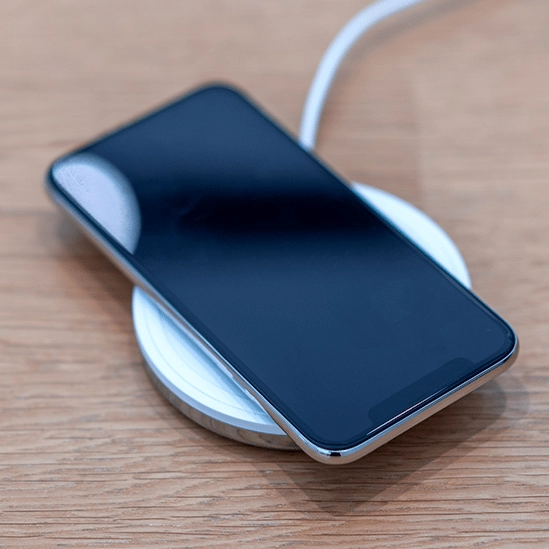
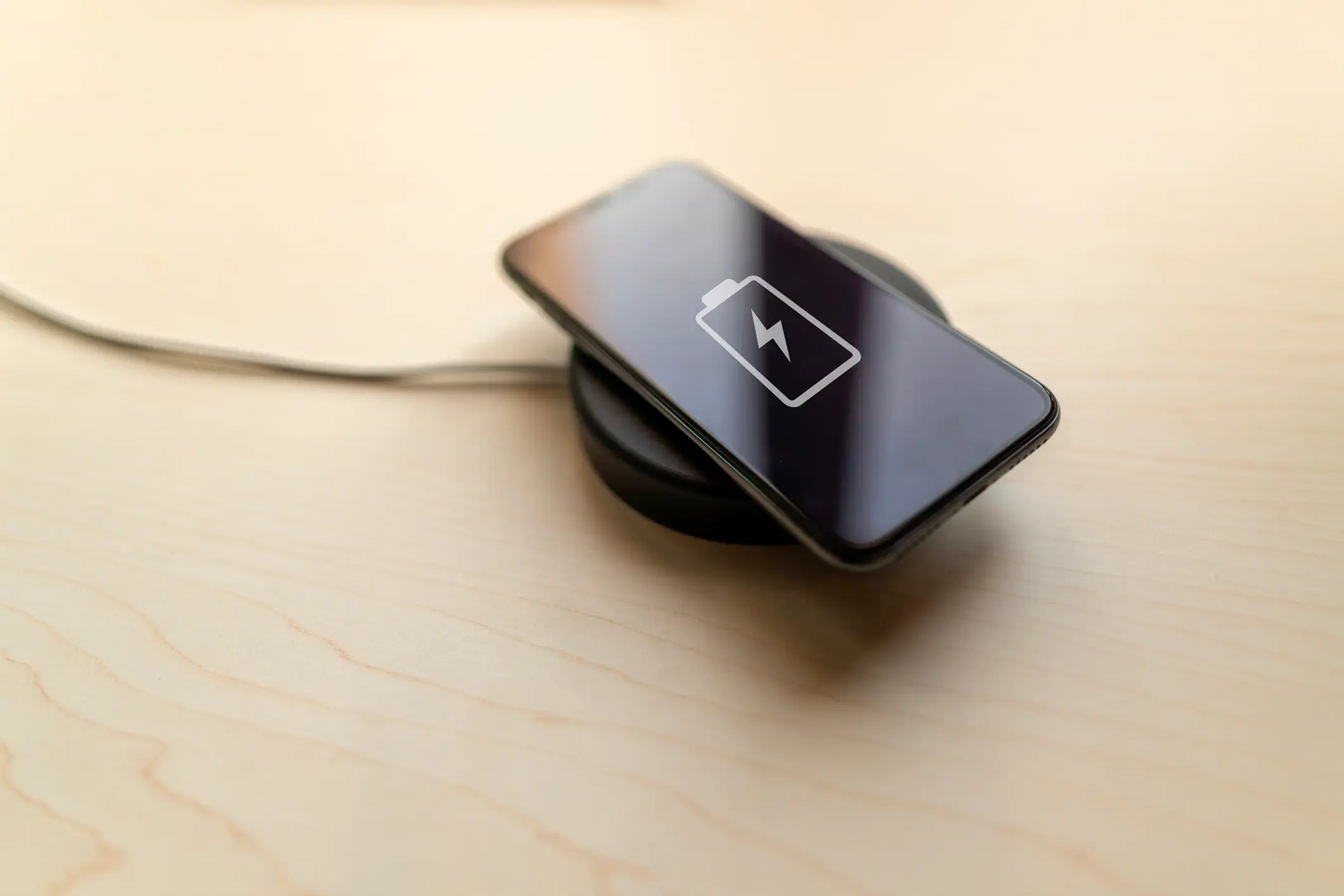
Wireless charging is a godsend, meaning you can finally get rid of annoying cables.
It's convenient, but there could be a catch - wireless charging might mean that phones are more vulnerable to hacks.
Researchers from the University of Florida have been looking into whether wireless chargers could be used to attack phones, and their conclusions are pretty scary.
Advert
They successfully established that they could find a loophole in the way that wireless chargers work with phones - by looking at the lack of encryption built into that process.
The investigators said: "Our research identified new vulnerabilities in wireless charging systems, making them susceptible to intentional electromagnetic interference".
That's a little bit technical, but the method - called VoltSchemer - basically means that they could alter the power signals flowing between the charger and phone to control the two devices' communication.
This let them take control of the charger and make it attack your phone - even to the point of actually physically damaging it.
After all, anyone who uses a wireless charger regularly might have noticed that it can make your phone get pretty warm. Well, by using this method the researchers were able to prove that it could overheat and fry devices by amping up the charging as far as possible.
Scarily, they suggest you wouldn't be able to tell a good wireless charger from a compromised one very easily, since the charging pad itself isn't the problem.
The team instead housed all their tech in USB wall sockets that the charging pads were plugged into, hiding the problem at the wall plug to make them stealthier.
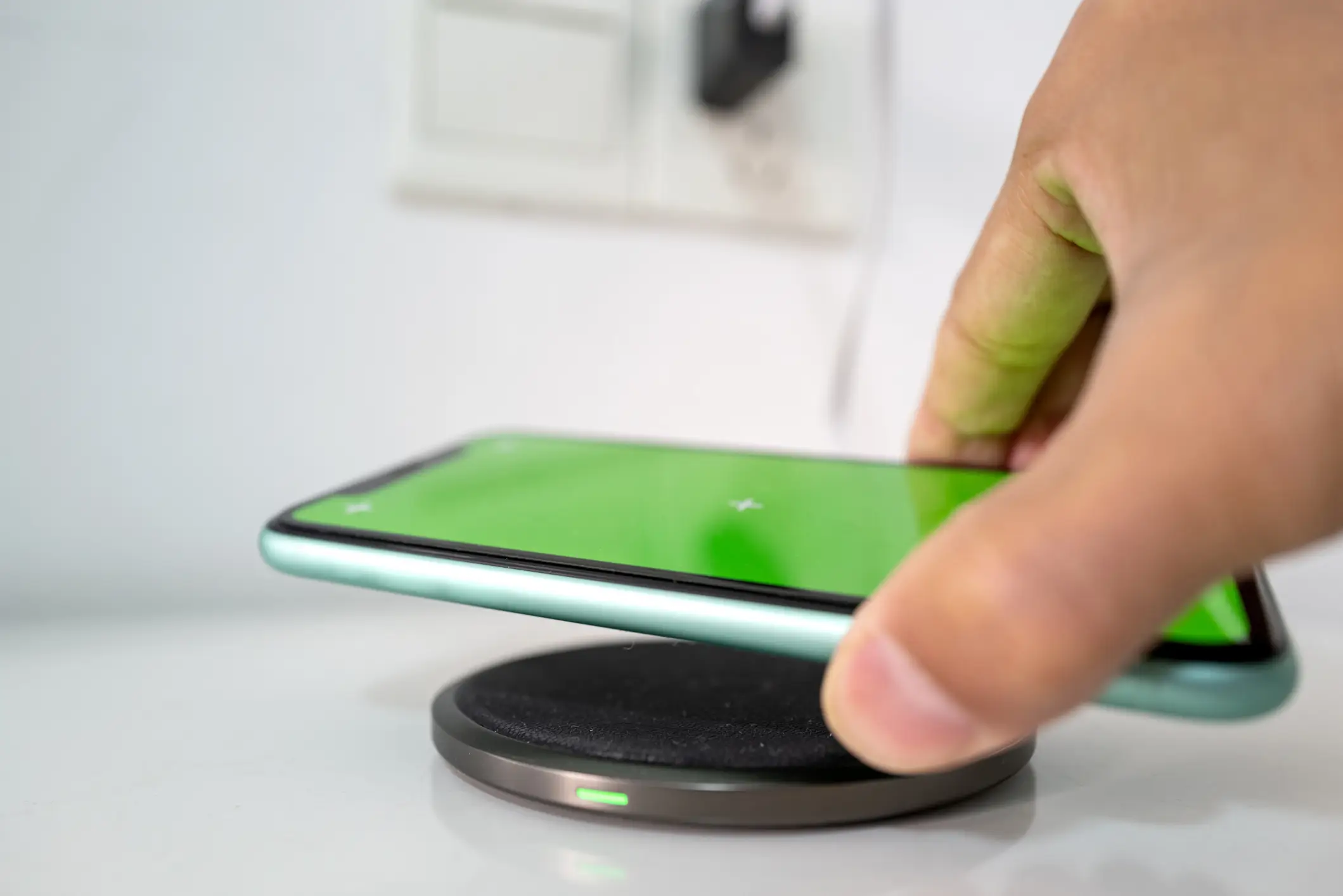
It's somewhat terrifying stuff, but there are some pretty big silver linings. One is that this can't happen to a charger you have control of - it's not a wireless hack that could be somehow downloaded to your own hardware.
This means that if you keep to your own stuff and make sure to use chargers that you own, you're very unlikely to ever run into any problems.
Of course, these revelations might make you want to avoid using public wireless chargers in some situations (like if you can't see where they're powered from), since they could possibly be modified to harm your phone.
Realistically, though, this is more likely to be research that proves useful to wireless charger manufacturers for some beefed-up security, rather than something you'll actually run into out in the normal world.
Given how much easier it is to use a wireless charger than fiddle around with a cable and plug, after all, plenty of people will be rightly keen to stick with their charging pads without worrying too much about it.