January 1st 2038 could trigger world 'epochalypse' as people fear Y2K2038 could become reality


The world could soon face an 'epochalypse' in just over a decade that would threaten countless vital systems and plunge people into chaos, but it could be avoided through one clear fix.
The Year 2000 Problem, often referred to simply as 'Y2K', was one of the biggest public scares at the turn of the century, leaving many wondering whether the new millennium would bring the end of the world as we know it.
It effectively revolved around a number of potentially major computer errors that affected how devices stored dates, specifically relating to the interpretation of four-digit years by the last two digits which resulted in the year 2000 being indistinguishable from 1900.
It was estimated at the time that this simple yet potentially catastrophic would cause anywhere between $400 billion and $600 billion of damage to the global economy, although it actually proved to be far less of an issue than many expected.
Advert
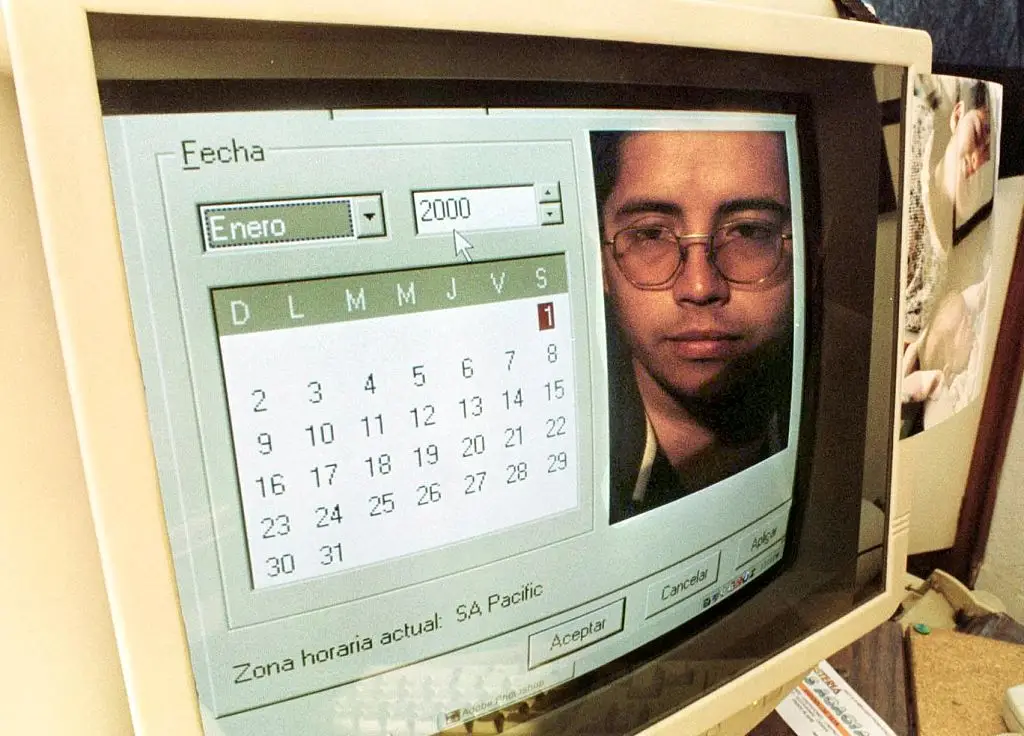
The world could soon face a similar issue that might be harder to avoid, however, as the spirit of the Year 2000 Problem returns in the form of a new 'epochalypse' known as Y2K2038.
What is Y2K2038?
Taking its name as an extension of the original Year 2000 Problem, Y2K2038 is a similar yet far more concrete issue that is scheduled to occur around January 19, 2038 for an alarming number of systems across the globe.
The reason why it'll kick off in 2038 relates to how computers store their date and time once again, although this problem is unavoidable depending on the configuration of each device.
Time is measured in binary on computers, originally within a 32-bit integer, meaning that instead of days, months, or years, it's calculated in the number of seconds from January 1, 2038.
This has a maximum figure that it can reach, however, holding values of roughly 2,147,483,648 seconds either side of that 1970 date after which it will 'roll over' to the minimum, much like your car when reaching the maximum milage.
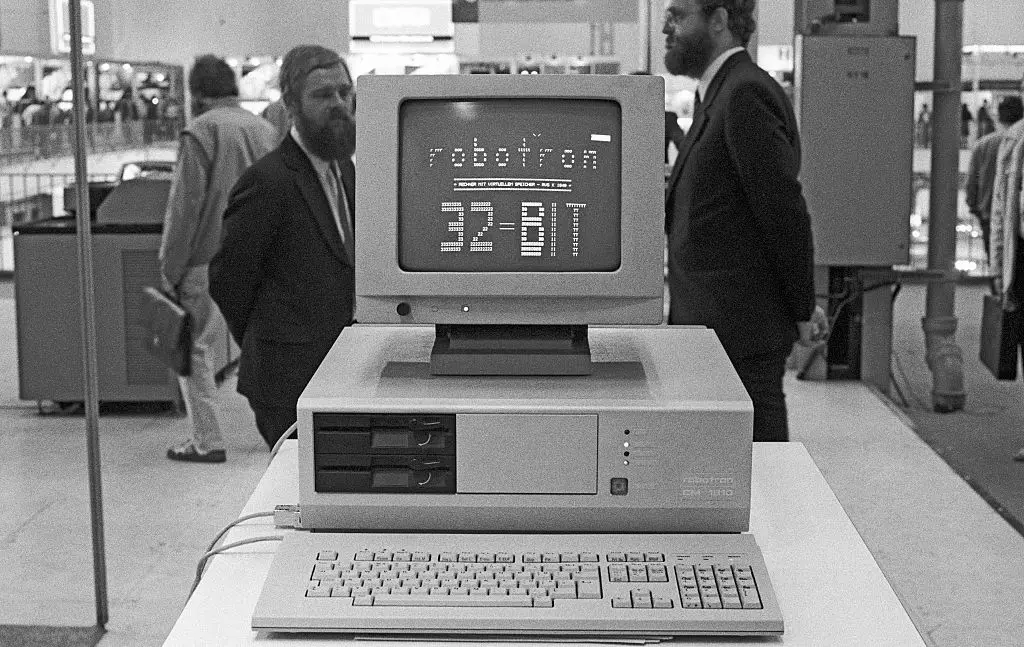
The upper limit for 32-bit systems is around January 19, 2038 – around 2.147 billion seconds after January 1, 1970 – and upon reaching this it would reset back to December 1901, throwing systems that rely on accurate date and time readings into chaos.
How does the world avoid Y2K2038?
This problem is inevitable for any existing 32-bit systems as it simply cannot store any more time before reaching the reset point, but it's comparatively not an issue at all for 64-bit systems which have an approximate overflow of 292 billion years, or 9,223,372,036,854,775,807 seconds after January 1, 1970.
So, the only thing that you need to do to avoid issues associated with Y2K2038 is switch from a 32-bit system to a 64-bit one, which is what almost every new computer runs on since the problem was first discovered in 2006.
This is definitely easier said than done though, as the reason why most of these systems haven't yet been upgraded to 64-bit is the same reason why forcing an upgrade would prove problematic in the future.
These are often persistent systems that are difficult to completely disable and replace – often in healthcare or government institutions – or rely on older software designed exclusively for 32-bit systems that's incompatible with 64-bit hardware.
There's still another 12 years until the problem occurs, however, meaning that companies and governments have plenty of time to ensure that everything is up to spec — although don't be surprised if there are still some systems affected by the issue when the time arrives.