
Cyberpsychologist explains why you can't stop watching yourself when on a video call


Good news - if you constantly catch yourself staring at your own face anytime you're on a video call, there's nothing wrong with you.
Video calls have become an unavoidable part of daily working life for many people around the globe in the last half-decade, going from an occasional thing to a staple of the day in a whole host of jobs.
Whether you love them or hate them, there's no doubt that the rise of the video call has made it easier to work in a hybrid way, or entirely flexibly. That's something that might have felt weird years ago, but is now pretty attractive to many.
However, an expert has just explained why, on these calls, most people find their eyes drawn to their own appearance, rather than focussing on other members of the call.
Advert
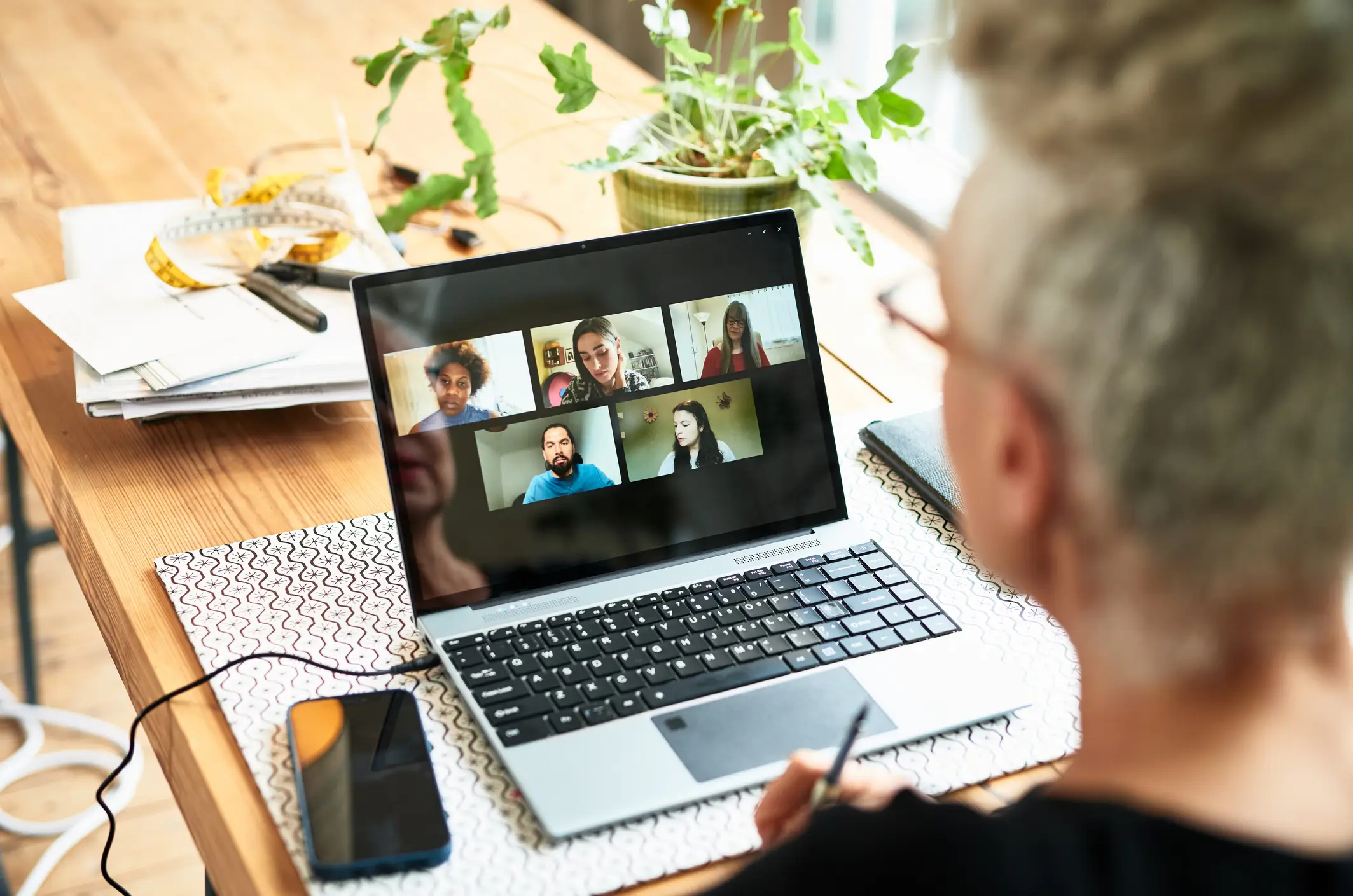
Cyberpsychologist Andrew Franklin told Business Insider that it comes down to you wondering how you're being perceived on the call: "A lot of adolescents deal with something called the imaginary audience, this belief in their minds that individuals around them are really paying attention to every move they make.
"That imaginary audience phenomenon doesn't necessarily go away [in adulthood]. People become extremely self-conscious and think that eyes are on them. When in reality, they're not being scrutinized or criticized to the extent that they think they are."
So, according to Franklin, this feeling that our smallest expressions are being recorded and focussed on can mean that people in fact scrutinize themselves, trying to control their emotions and remain entirely composed.
During a busy meeting, this can sometimes be a little distracting, but it's also largely a false impression since whoever's talking is way more likely to be the center of people's attention.
This all comes against the backdrop of an increasing range of research showing that people find it harder to confidently read others' emotions over video calls, compared to in-person conversations.
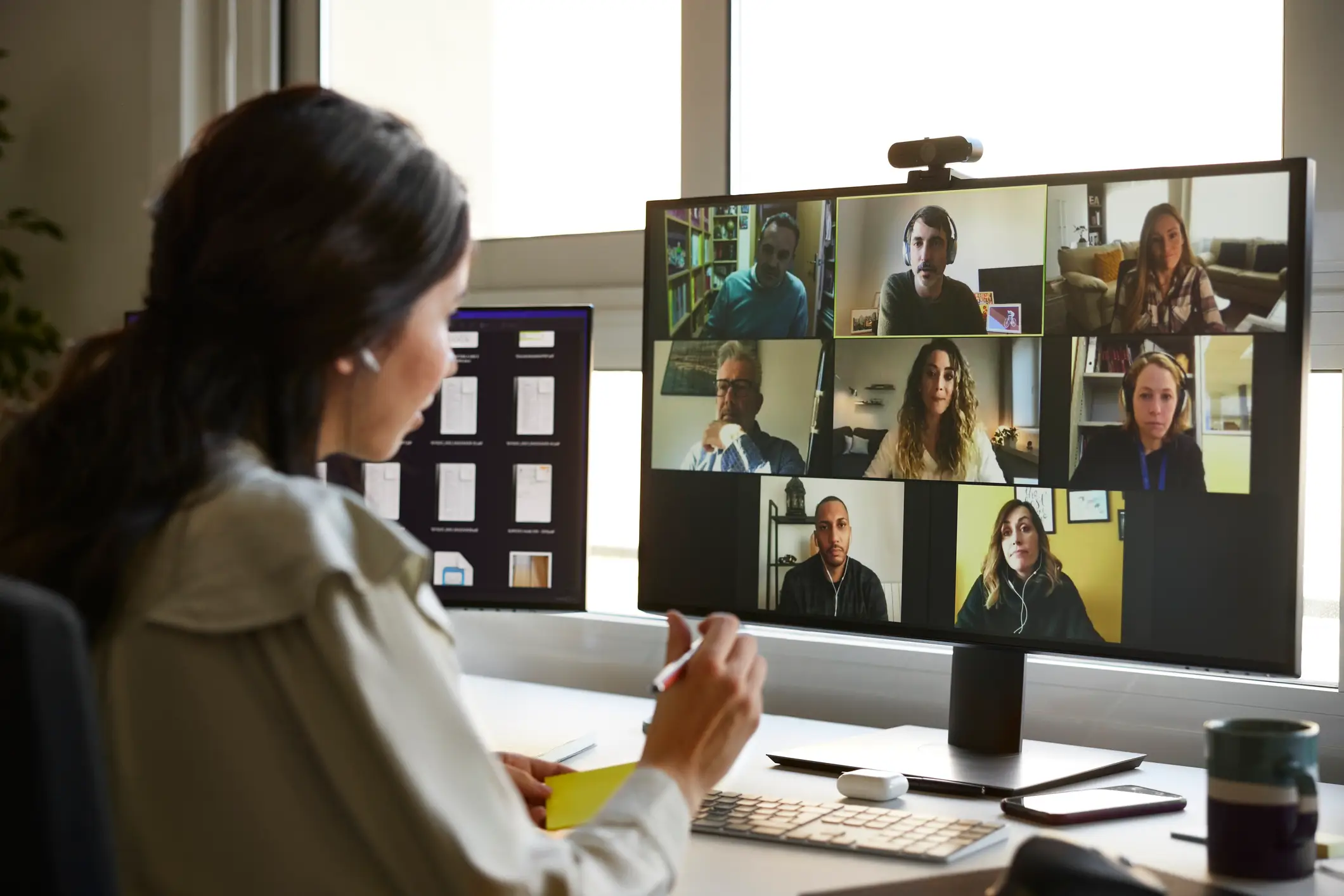
This is because we only see what the other person wants us to - often meaning their head and shoulders, and nothing more, making body language much more challenging to assess.
There are ways around this distraction, though, from practical solutions to software. Many video-calling sites and apps let you hide your own view, which might make it easier to concentrate (or forget that your webcam is even turned on!).
If that option isn't there, you could even stick a post-it note over your section of the call, to hide it in a more immediate way.
Regardless, it's good to know that there's nothing overly narcissistic about finding your eyes drawn to yourself during a call - if anything, it might be a reflection of a little anxiety, rather than arrogance or vanity.