
Tech alternatives state officials are considering as Christa Pike survives two lethal injections


Warning: This article contains discussion of execution, which some readers may find distressing.
Christa Pike’s failed execution on September 30 has come with many updates – one of which reveals the next steps officials are allegedly considering after two lethal injection doses failed to execute her.
The 50-year-old was set to become the first woman put to death in Tennessee in over 200 years until the lethal injections administered failed to do what it is intended to do and stop her heart.
Pike was transferred to hospital shortly after, with witnesses telling the press that she could be heard making snoring noises and even lifted her head to look around the room before the curtain was pulled and the microphone was cut.
Advert
Pike is likely to have been injected with Pentobarbital, a sedative, Pancuronium Bromide, a paralytic agent and finally, potassium chloride – which stops the heart.
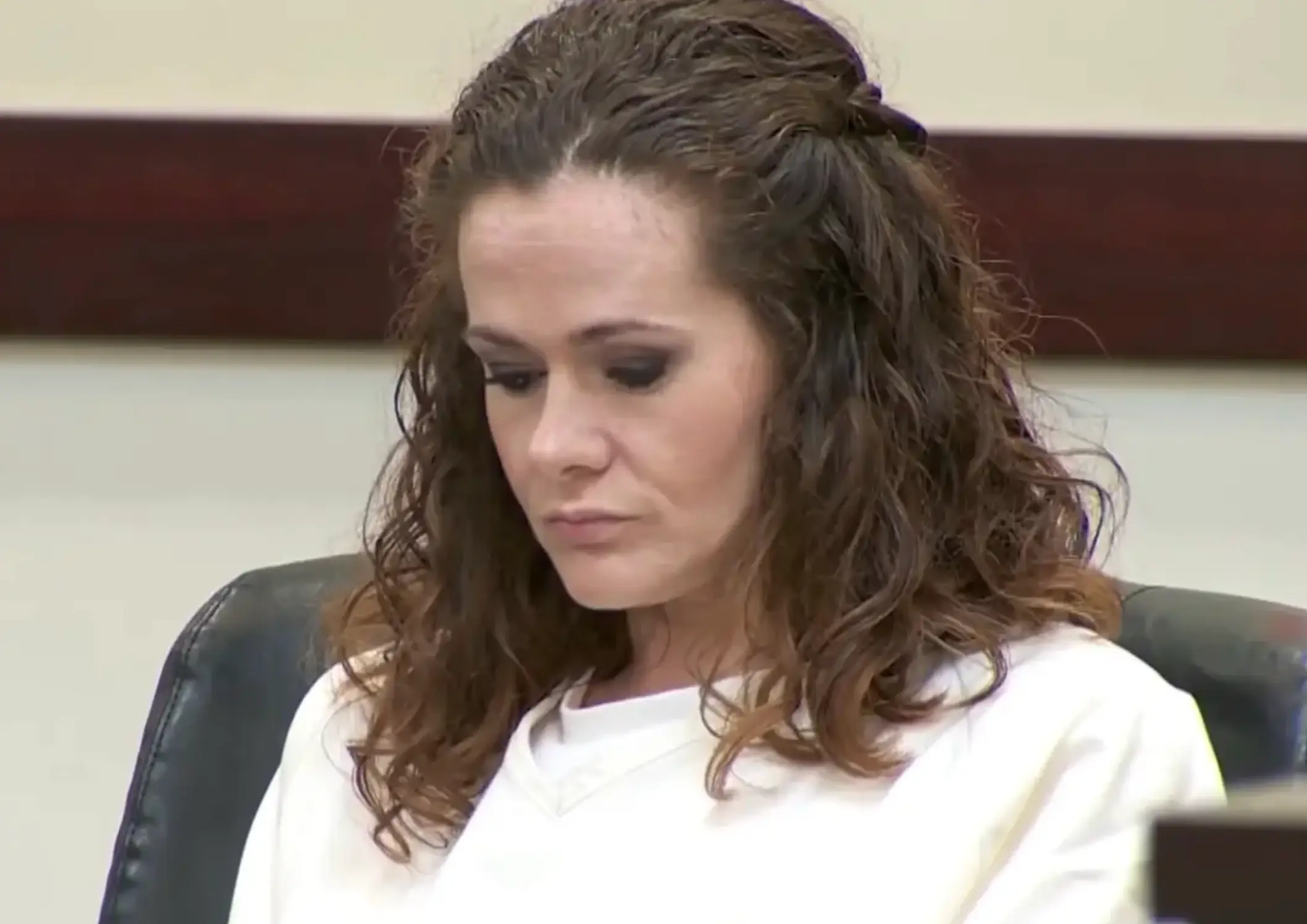
However, despite the method being administered twice to Pike, it failed, with her attorneys telling the BBC that she is in hospital ‘being provided life-saving measures’.
The protocol for lethal injection also does not detail what happens if a person doesn't die following the second dose.
Some states, which have their own laws on the death penalty, have already turned to alternative methods such as firing squads, per the Death Penalty Information Center.
However, Alabama became the first to try a new tech in 2024, as it executed a prisoner using nitrogen gas.
Four other states have adopted the use of nitrogen in executions, which is provided to the criminal via automated nitrogen hypoxia gas delivery systems.
Kenneth Eugene Smith survived the state’s previous attempt to put him to death by lethal injection in 2022 died by nitrogen hypoxia, the first new method of execution since lethal injection was introduced back in 1982.
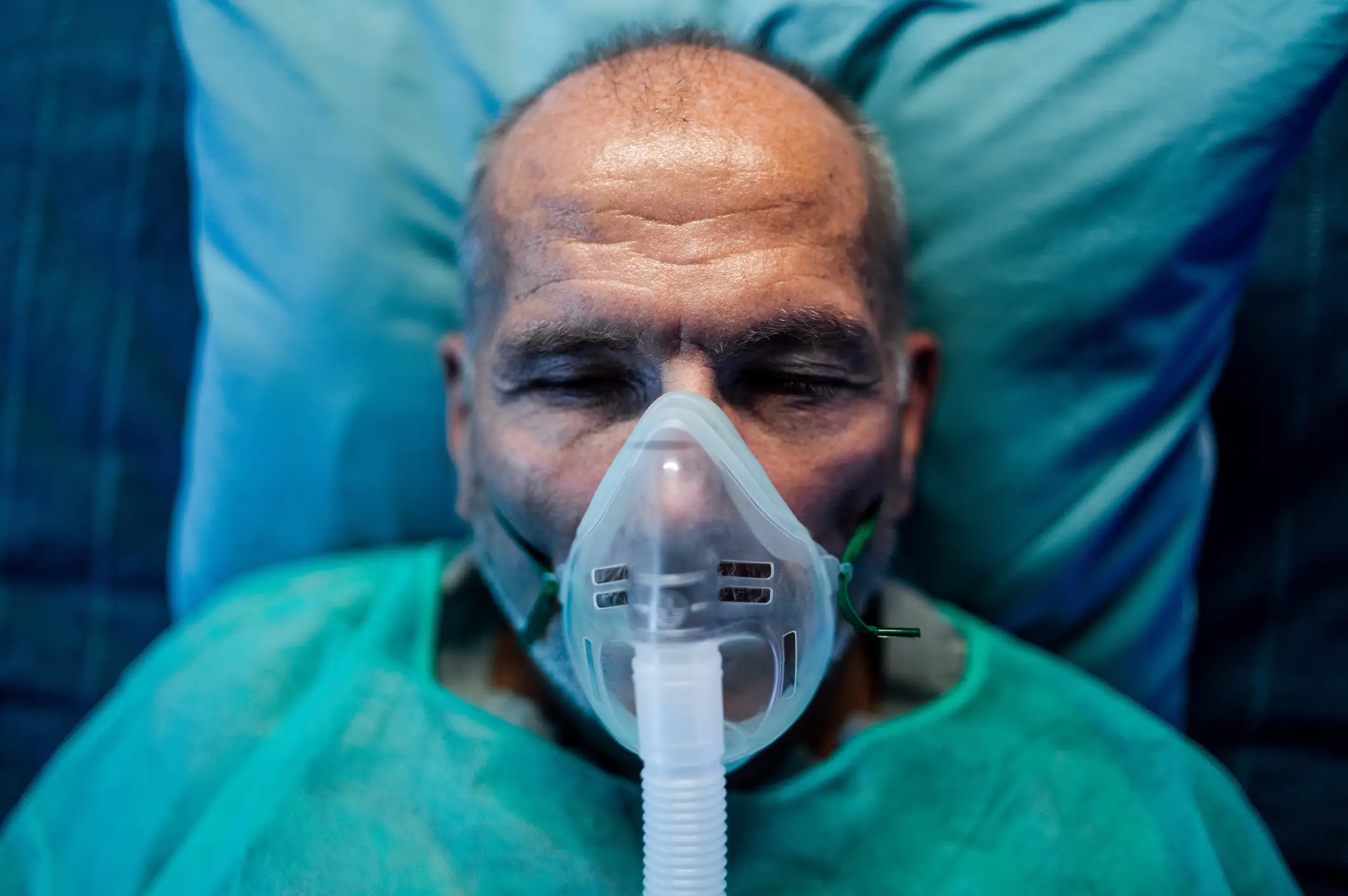
Nitrogen hypoxia execution causes death via a mask, which is secured to the criminal’s face, forcing them to breathe pure nitrogen, per 4 New York.
This deprives them of the oxygen needed to maintain bodily functions, and essentially asphyxiates them to death after their become unconscious.
In a statement to The Tennessean, Pike's legal team said of her failed execution: "Tonight the State of Tennessee once again failed to carry out a lawful execution.
"We take no pleasure in being right, but the concerns raised by Ms Pike proved to be true: difficult vein access, blown veins, degraded pentobarbital, no emergency medical care available when things inevitably go wrong, all under a protocol that remains veiled in secrecy."
Tennessee Governor Bill Lee has since ordered ‘a comprehensive, third-party review to determine exactly what occurred.’
In a news release on Wednesday, the Tennessee Department of Correction said it had followed the state's execution protocol when administering the drugs to Pike.
"The lethal injection chemical in the protocol has consistently been effective, and the protocol does not allow for additional procedures beyond what was carried out this evening. Christa Pike has been transported to an off-site medical facility."
Pike has been on death row for the last 30 years, after being convicted for the murder of 19-year-old Colleen Slemmer in 1995.
Pike and then-boyfriend Tadaryl Shipp are said to have lured Slemmer with the help of Shadolla Peterson, to a wooded area.
Then, she was tortured before Pike smashed Slemmer’s head with a piece of asphalt and then kept a piece of her skull as a keepsake.
Pike was sentenced to death at the age of 20 in 1996.