
NASA chief speaks out on 20-year-old co-pilot after audio from deadly Florida private jet crash revealed


Warning: This article contains graphic discussions which some readers may find distressing.
Tragedy unfolded on November 1, as a Learjet 60 traveling from Austin, Texas, to the Bahamas crashed and killed all nine on board.
Some of the victims have been identified as tech founder Adam Robinson, his wife, and their two young children, while the plane's co-pilot has been named as 20-year-old Nathalia Gadelha Filgueiras. There's been backlash online over the fact that Filgueiras was just 17 and in high school when she earned her pilot's license in 2023.
The New York Post has shared final audio from the plane before it crashed into the ground in Palm Beach County, including Filgueiras speaking to air traffic control.
Advert
Filgueiras' family confirmed she was a co-pilot on the doomed flight, clarifying that she’d been working as a commercial pilot for the past nine months.
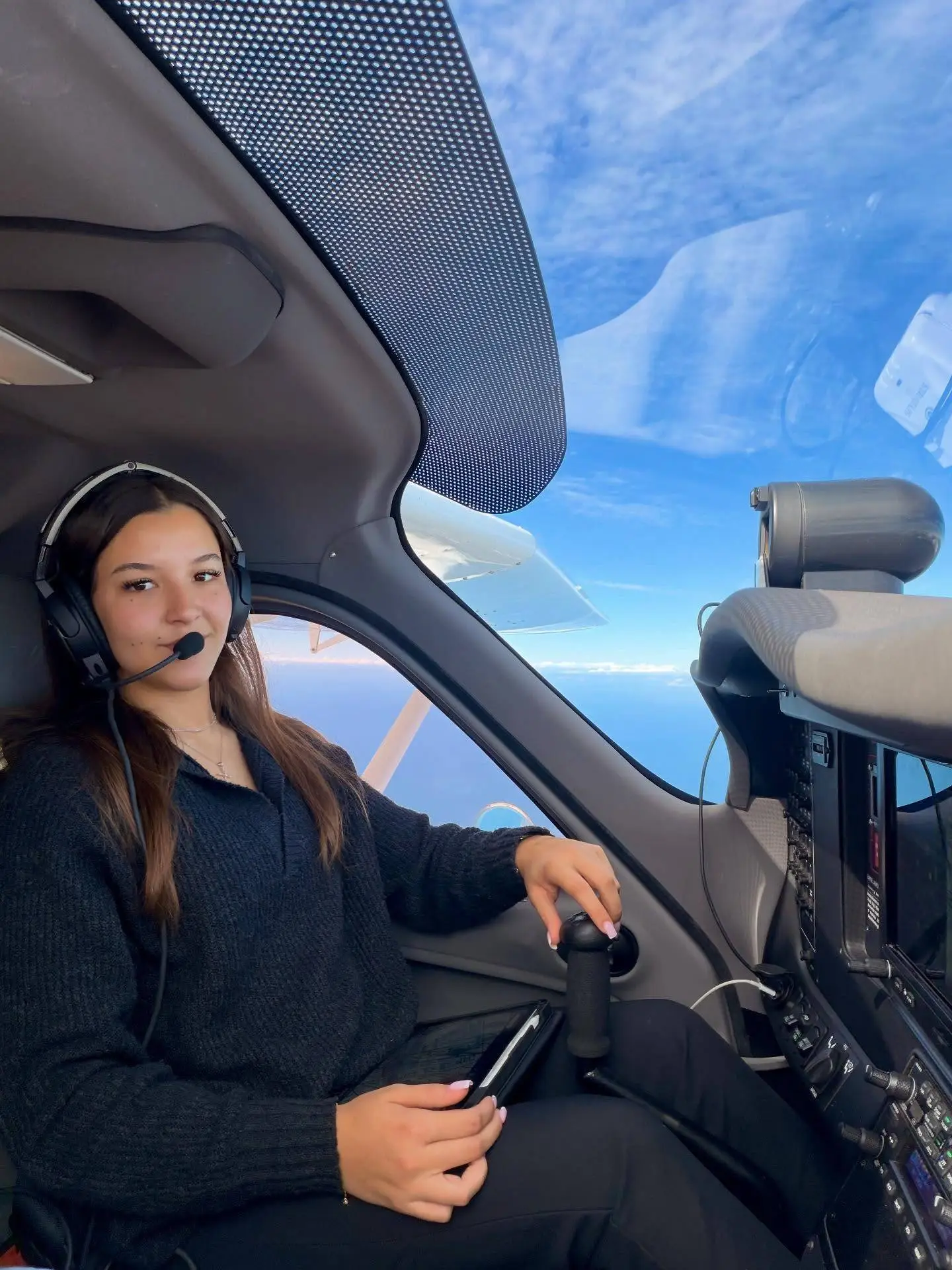
Her stepfather said that Filgueiras had 1,300 hours of flying experience, while it's also been revealed that she texted her boyfriend shortly before the crash and reportedly wrote: "I’ve got turbulence, I’ve got ice."
Speaking to CBS12 at the time she got her license, Filgueiras said: "I definitely do brag because people say, ‘Oh, you can’t drive,’ and I’m like, ‘Yeah, but I can fly'."
Now, NASA chief Jared Isaacman has stepped up to defend Filgueiras, saying he felt 'compelled' to speak out after seeing continued criticism of her abilities online.
Reminding us that he was speaking in a personal capacity, Isaacman said: "I have been flying these types of aircraft for more than 20 years, with over 8,000 hours, and have reasonable familiarity with how the charter world operates."
Calling out those who've been "critiquing this poor woman’s final radio calls," Isaacman continued: "That last part is what I find most troubling. She was the second-in-command (SIC), and while she was empowered to point out mistakes as part of good crew resource management, she was doing her job, communicating with ATC right to the end in a terrifying situation."
Suggesting that Filgueiras "likely knew before many of those calls that she was going to die," he added: "I have heard final calls from friends, from military pilots with thousands of hours in fighter aircraft, and they are just as heartbreaking because they know the end is approaching."
With investigations ongoing, Isaacman said there are many factors that likely played into what ultimately went wrong, reiterating: "The charter industry routinely hires commercial pilots very early in their careers to gain experience alongside an ATP-qualified captain before they move up to the airlines.
"She would still have the appropriate training, qualifications, and checkouts by an FAA examiner or designee."
Concluding that we need to let "people investigate, learn, and share the facts," Isaacman asked the general public to "be respectful to those who perished and the families who carry their memories. God bless them and their loved ones."
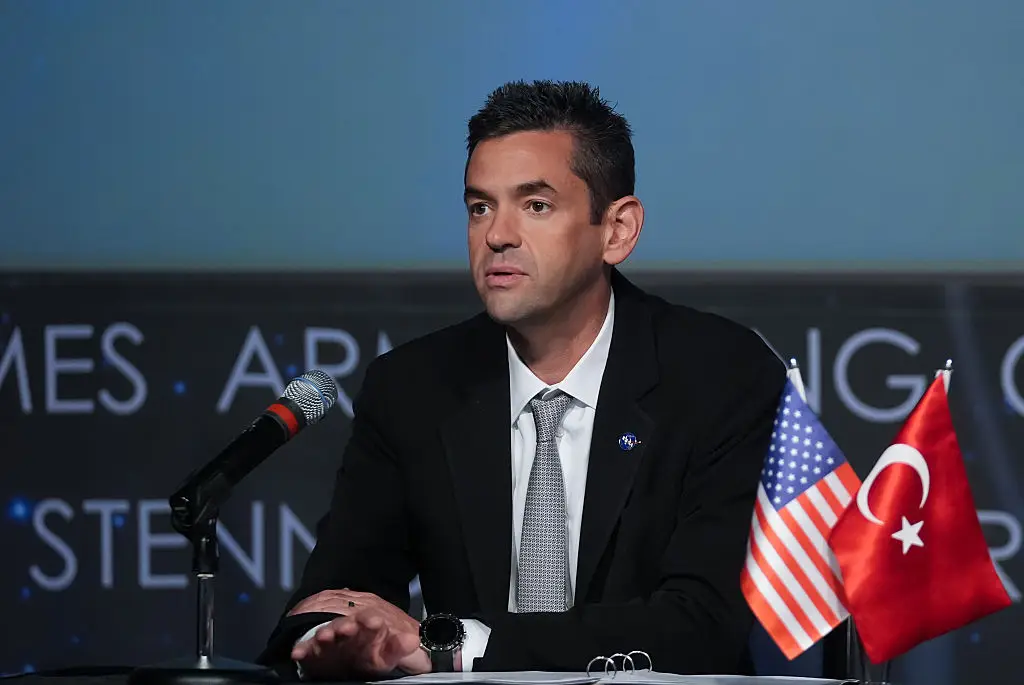
As investigations continue, National Transportation Safety Board member Tom Chapman revealed some initial findings in a November 2 press conference. Here, Chapman said: "The crew transmitted that they were at 35,000 feet with moderate turbulence with altitude deviations of about 700 feet.
"The crew reported the outside temperature was -47 Celsius, which is -53 Fahrenheit, and they were managing the ice but were in moderate turbulence."
He continued: "Very soon after the crew transmitted 'we are picking up precipitation requesting to climb to 37,000 feet if able', which was approved by FAA air traffic control.
Expanding more on what happened, Chapman added: "Less than 30 seconds later a transmission from the aeroplane announced the descent followed by a Mayday call about 12:48 Eastern, the aeroplane transmitted 'we are in an overspeed condition descending' with the rest unintelligible.
"Subsequent communications described that the aeroplane was descending rapidly and gave an altitude callout. Sadly all aboard were lost."