Elon Musk’s dystopian space plan could bring humanity closer to terrifying Kessler Syndrome


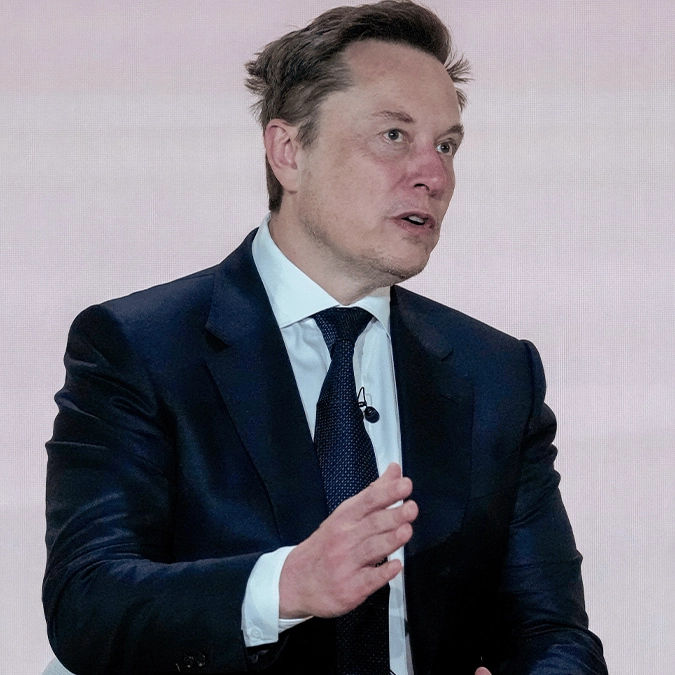
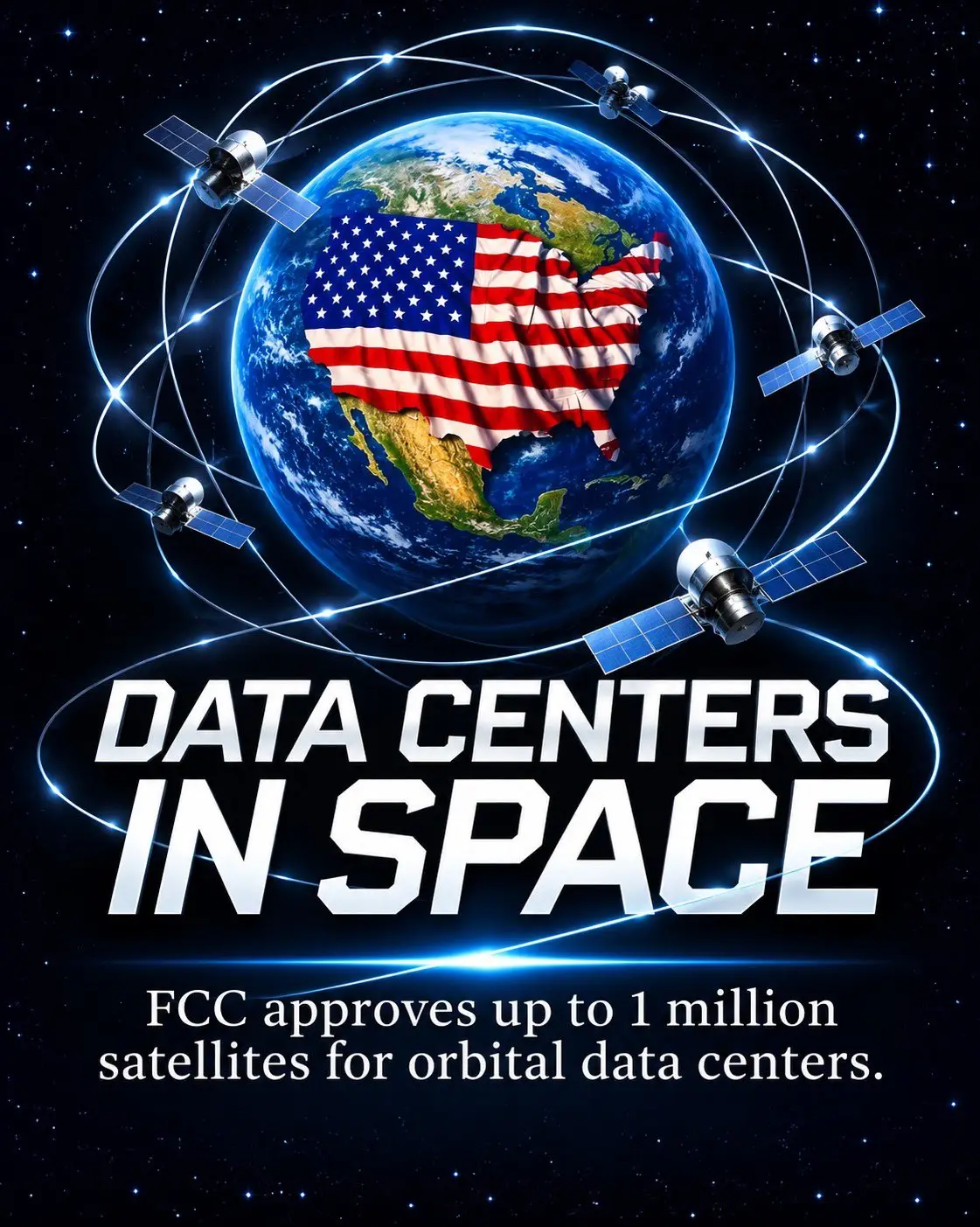
A new space plan has been approved by a US government agency which means Elon Musk is now authorized to send a million satellites into orbit.
The news was announced by the Federal Communications Commission (FCC) chairman, Brendan Carr, who took to X to say: “Today, in a historic first, the FCC approved SpaceX’s request for 1 million satellites (orbital compute modules) to create data centers in space.
“The Starmind & competitor constellations will use solar power to extend America’s lead in Super Intelligence.”
Musk himself responded to the post, adding: “Much appreciated. This will be a great asset to America and the world.”
Advert
However, the plan has resparked fears that this could end up bringing humanity closer to the terrifying prospect of Kessler Syndrome.
What is Kessler Syndrome?
Kessler Syndrome is a scenario that was first thought up in 1978 by two NASA scientists - Donald Kessler and Burton Cour-Palais.
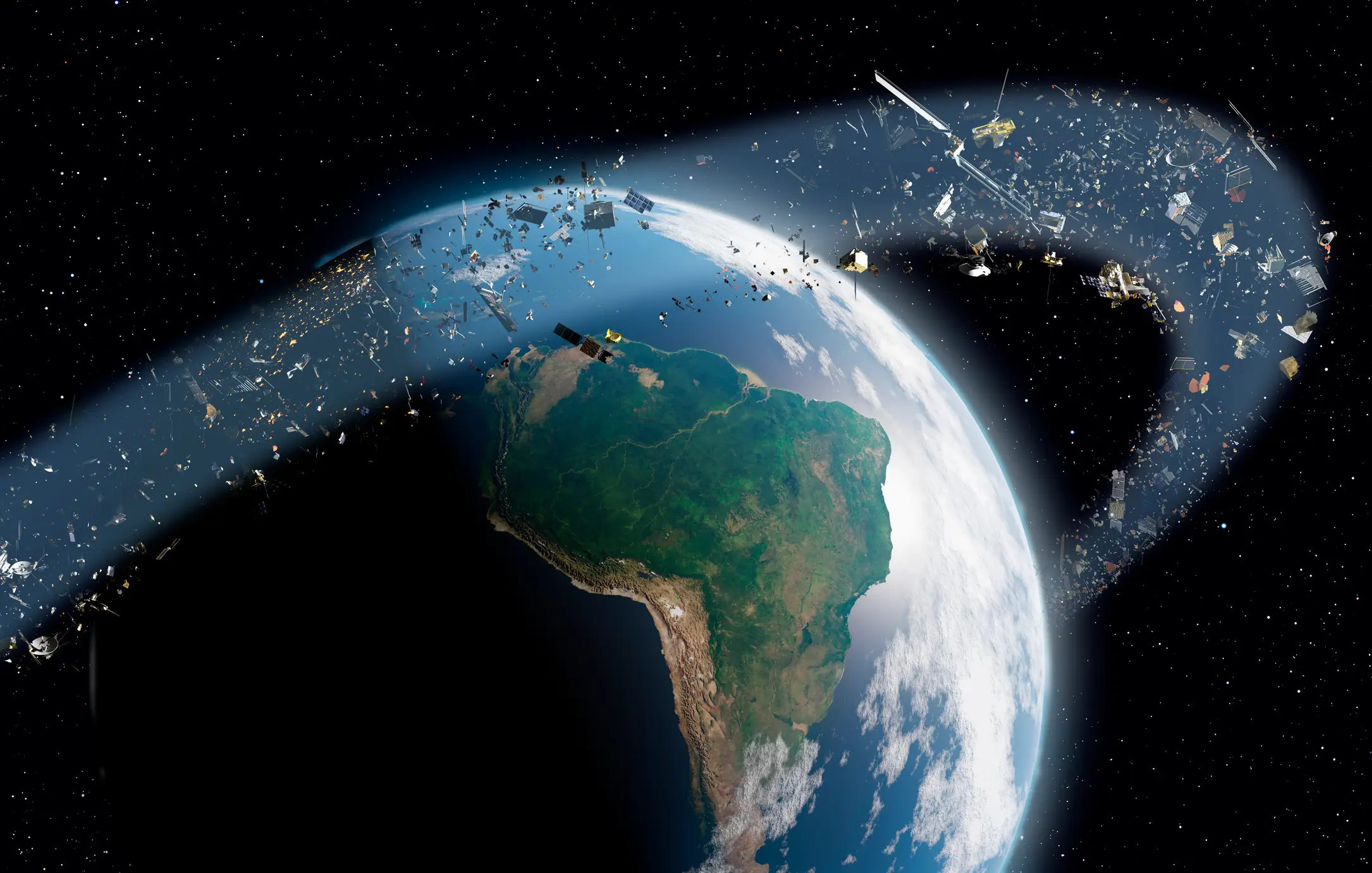
The theory is that, if we keep sending more and more spacecraft into space, then the space around Earth is going to become overcrowded.
NASA said: “Spent rockets, satellites and other space trash have accumulated in orbit increasing the likelihood of collision with other debris.
“Unfortunately, collisions create more debris creating a runaway chain reaction of collisions and more debris known as the Kessler Syndrome after the man who first proposed the issue, Donald Kessler.”
In the worst case scenario, a chain reaction of collisions could be caused that has the potential to destroy essential communications satellites around the planet.
If this becomes reality, then the situation could escalate to being so volatile that we won’t be able to successfully send up new satellites to replace the broken ones due to the area of space in which they orbit becoming unstable and full of fast-moving debris.
Instead, this debris will smash anything new into a thousand pieces.
What will Kessler Syndrome mean for Earth?
With more and more satellites being sent into orbit, some fear that air travel and the train industry will be on its knees because a breakdown in satellite comms would mean no GPS to help navigate the world.
The agricultural industry also uses satellites on a daily basis when it comes to planning crops, harvesting them, or even mapping the yield you can create from however many fields of produce you are growing.
Without this tech, primitive methods of farming would have to be undertaken and the disruption to the world food supply network would be catastrophic.