
How new data from Ancient Rome 'confirms' Jesus was a real person


Sounding like the plot of a fourth installment in the Da Vinci Code movie series, new data apparently confirms that Jesus Christ was a real man who walked among us. For many, Jesus sits at the center of Christianity, as the proposed son of God who died on the cross to save us all. That story might've flown some 2,000 years ago, but as the world has advanced and science has gone with it, there's an equal number of scholars and scientists alike who continue to try and prove or disprove his existence.
After scientists claim to have found 'proof' that Adam and Eve existed, as well as potentially finding the remnants of Noah's Ark, stories from the Bible might not be as far-fetched as naysayers claim. Even though that doesn't mean Jesus was able to turn water into wine or Moses parted the Red Sea, advancements in technology are proving to be something of a poisoned chalice when it comes to debunking history from the time of Jesus H. Christ. We're still not sure declassified CIA files prove Jesus' existence or that he predicted the end of the world.
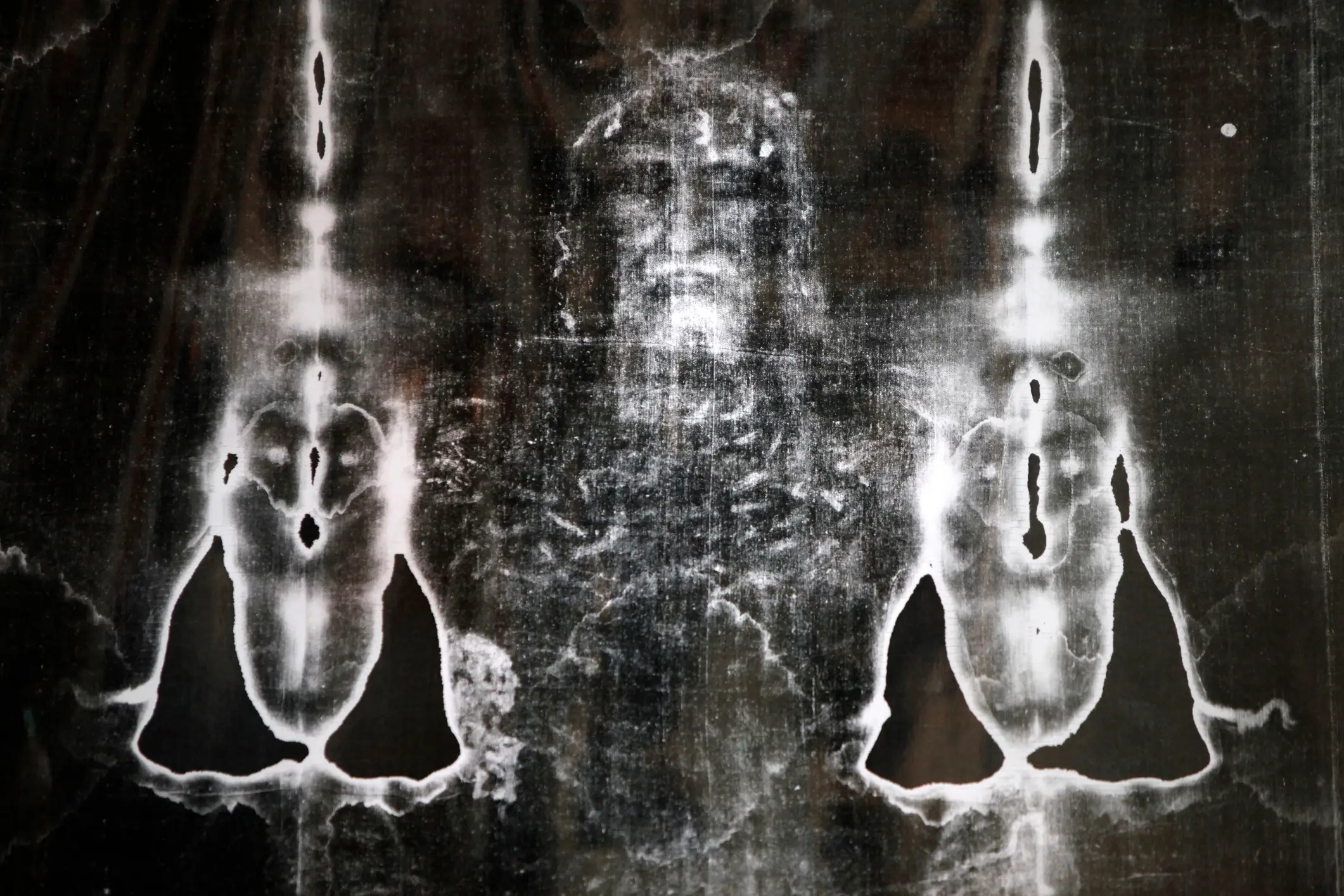
Looking at new research published in Biblical Archaeology, the musings of two ancient historians have been used as a supposed credible source that Jesus walked the Earth some two millennia ago.
Advert
These two important figures are Tacitus and Flavius Josephus. The former was one of Rome's most respected historians, while the latter was a Jewish aristocrat and historian who was around mere decades after Jesus’ apparent death.
Notably, neither was Christian, so would seemingly have nothing to gain by claiming he was real.
These accounts place Jesus in Judea and link him to important events like the death of Pontius Pilate.
Tacitus mentions 'Christus' being executed during Emperor Tiberius's reign, while Josephus referred to James as 'the brother of Jesus-who-is-called-Messiah'.
A fresh look at their respective texts comes from biblical scholar Lawrence Mykytiuk, who looked at ancient Roman and Jewish sources that mention 'Jesus'.
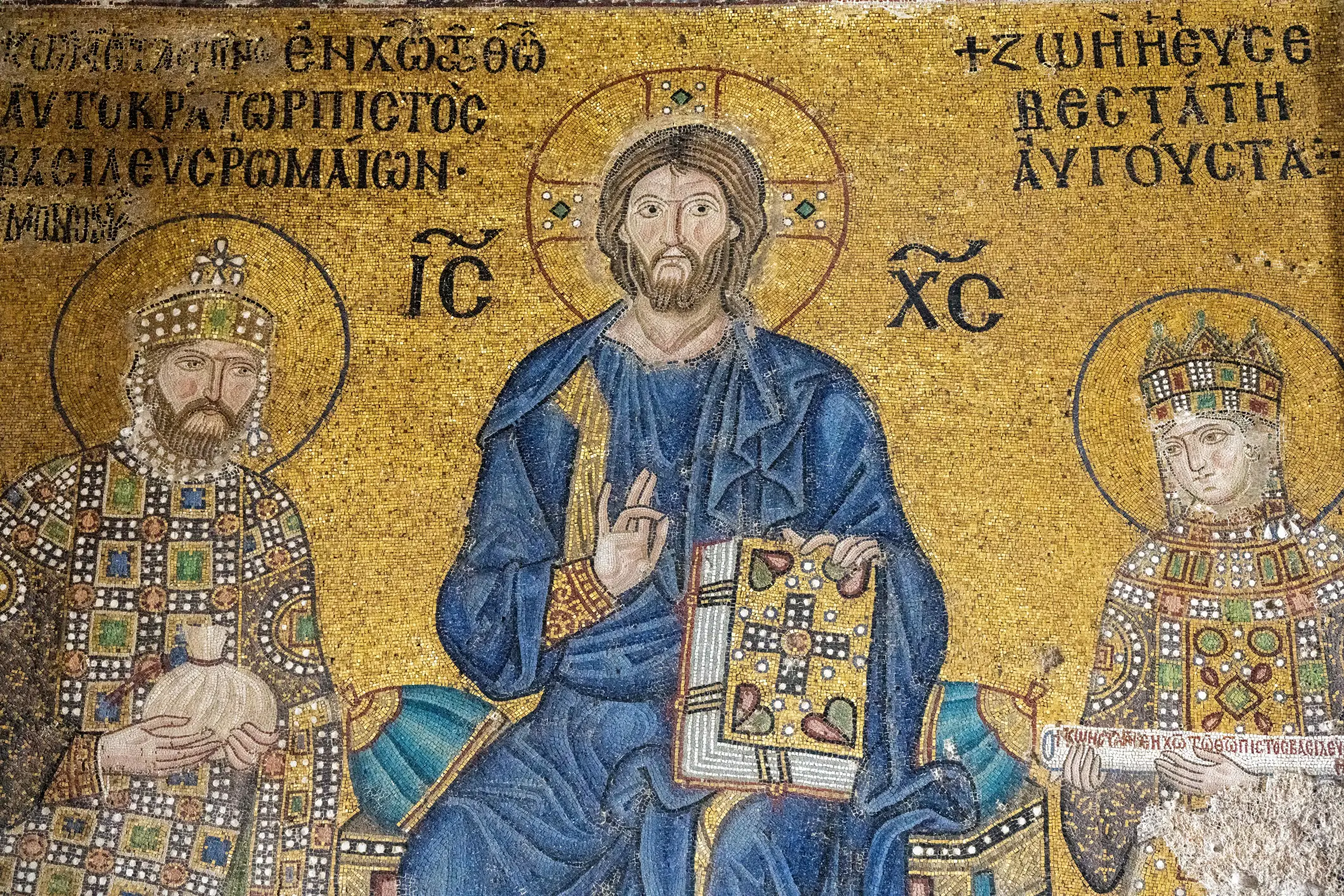
Making statements like "he existed as a man," "he was called Christos in Greek," and "he was executed during Pontius Pilate’s governorship over Judea," Mykytiuk added: "Almost all the following statements about Jesus, which are asserted in the New Testament, are corroborated or confirmed by the relevant passages in Tacitus and Josephus."
The pair mention how Christ is a term used to identify him, with 'Christians' evolving as his followers. Josephus watched as the religion grew during the first century, and in the second century, Tacitus grumbled that it had spread as far as Rome.
Importantly, Tacitus and Flavius Josephus suggest that Jesus was an actual historical figure rather than someone fabricated for the bible.
Mykytiuk maintains that no ancient person is known to have seriously argued that Jesus didn't exist, with even the cautious Robert Van Voorst saying: "[N]o pagans and Jews who opposed Christianity denied Jesus’ historicity or even questioned it.”
Many have long agreed that he likely existed, but there's still much debate on what Jesus actually did and whether he's the Messiah that Christianity pitches him as.
The New Testament remains the primary source for all things related to Jesus, but as critics argue the writing of Christians can't be trusted in terms of objectivity, it makes Tacitus and Josephus' words even more important.