Cybersecurity expert warns of new threat to US saying Iran just triggered the 'first drop of blood'


The tensions between Iran and the US continue to escalate to dangerous new heights.
Following February 28's Operation Epic Fury and Operation Roaring Lion, Iran deployed advanced weaponry to strike back at multiple countries, including Bahrain, Iraq, and the UAE.
Six US fatalities have been reported from a strike on a military base in Kuwait, with additional casualties from the Strait of Hormuz region.
Advert
While President Donald Trump has claimed 'the war is very complete,' his recent post on Truth Social revealed plans for the destruction of Iran's nuclear program.
Now, after Iran's major cyberattack against the US, security specialists are warning that this may be the opening phase of a much larger conflict.
The attack struck Michigan-based med-tech giant Stryker, forcing thousands of workers offline and disrupting internal systems throughout the company's global network. Hospitals that supply critical surgical equipment are now on high alert nationwide.
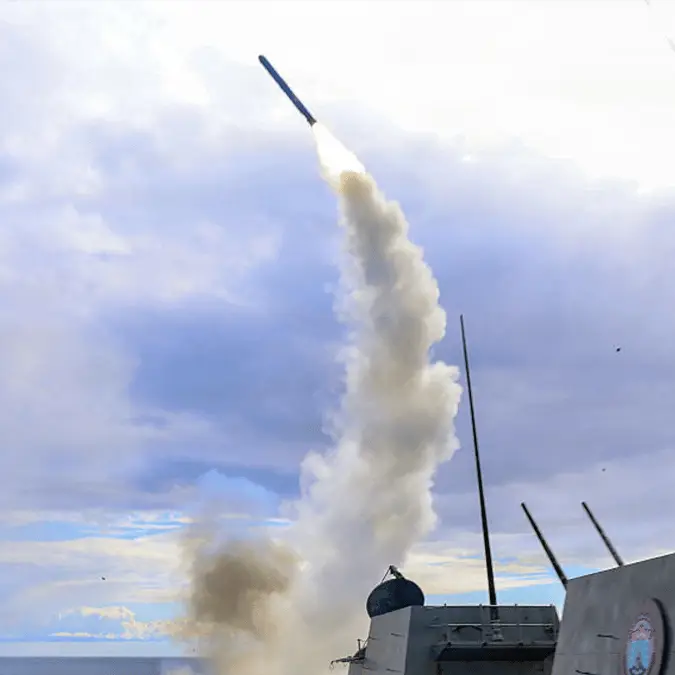
Hackers from the Iran-linked Handala group claimed responsibility and said the cyberattack was in retaliation for a US Tomahawk missile strike at the Shajereh Tayyebeh Elementary School in Minab that reportedly killed 165 people.
Lee Sult, chief investigator at cybersecurity firm Binalyze, believes the incident could 'be the first in a wave of attacks' as part of a widespread campaign against Western corporations.

"The Stryker attack looks to be the first drop of blood in the water as a result of nation-state and hacktivist activity off the back of the Iran conflict," he said. "This attack confirms Western organisations are not only in the adversary's crosshairs, but the adversary can also make the shot. More shots are coming."
Speaking to the Daily Mail, Frank A. Rose, a former US Assistant Secretary of State for Arms Control and a policy adviser at the Defense Department, said the incidents could lead to further disruptions in data centres, banking systems, energy facilities, and privately owned infrastructure.
"When the Iranians know very well they cannot take us on head-to-head in America militarily, they're going to look for asymmetric ways to respond," Rose said.
"Attacking American infrastructure might be one of those asymmetric vulnerabilities."
As most US infrastructure is commercially owned or privately held, the level of security is much lower than that of national security organisations.
"You would hope companies in the private sector understand the evolving threat and start hardening key systems like data centres, banking networks and their cyber infrastructure," Rose explained. "But that costs money. When I worked on cyber issues in government, we often didn't make the investments we needed to because there were always other budget priorities."
According to Rose, since 9/11, security around critical infrastructure has improved but they're 'still not 100 percent' effective.