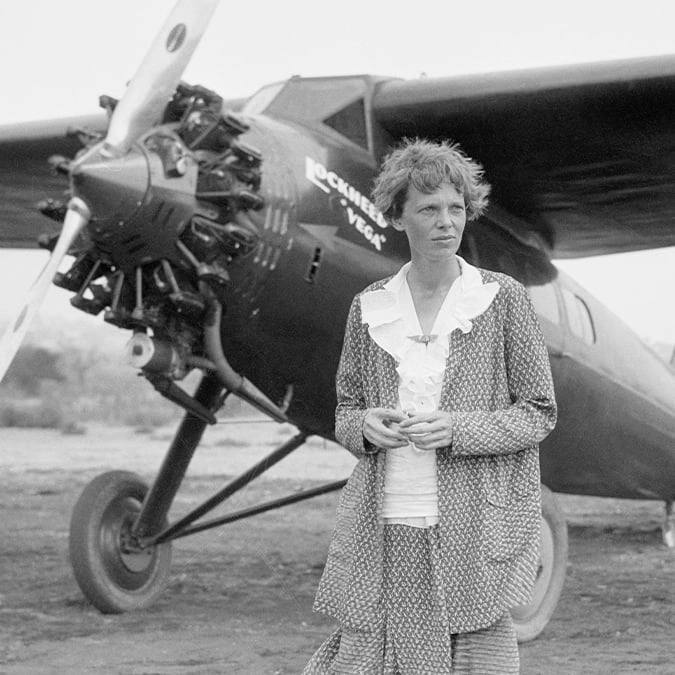
Amelia Earhart investigation reaches devastating conclusion after team's search for plane


Amelia Earhart went missing back in 1937 as the US aviation pioneer attempted to become the first woman to fly around the world.
Earhart was making her second attempt at the record after her first was abandoned due to a non-fatal crash that damaged the plane.
Embarking on her second attempt to fly around the world, Earhart departed Miami, Florida, and headed East, making multiple stops in South America, Africa, India and Southeast Asia before she arrived in Lae, New Guinea.
From there, the pilot was due to travel across the Pacific Ocean, stopping on the island of Howland to refuel.
Advert
However, as she approached the end of this leg alongside navigator Fred Noonan, Earhart’s aircraft lost signal with ground control.
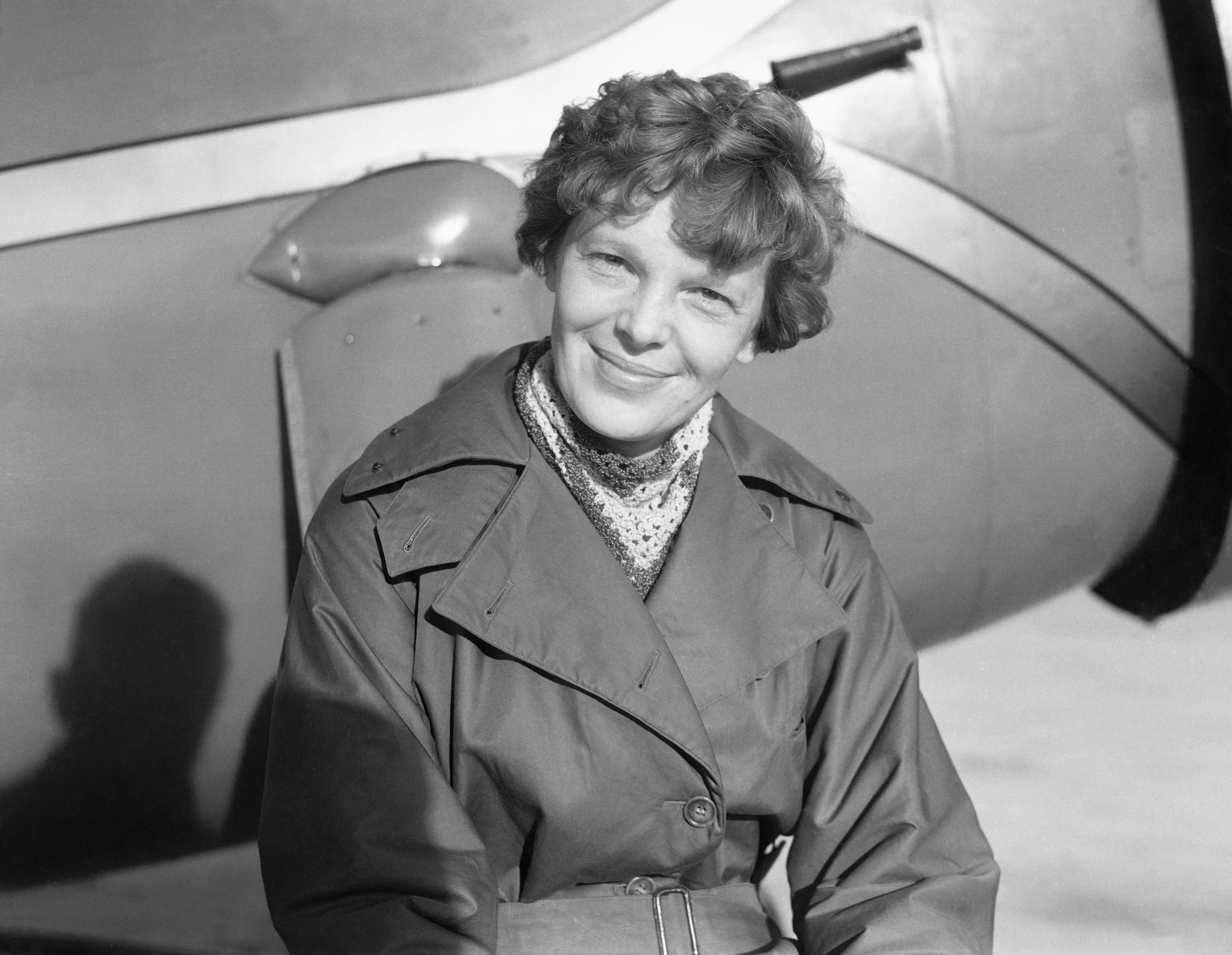
A search ensued but with no trace of the aircraft or its crew, both Earhart and Noonan were declared dead a couple years later.
In the decades since her disappearance, there have been many questions as to what happened to the celebrated aviator.
New hope in search for Amelia Earhart
In 2020, new hope was sparked after satellite imagery drew attention to a shiny plane-like object spotted in a lagoon in the Taraia Peninsula on Nikumaroro, Kiribati, with experts questioning if it could be Earhart’s aircraft.
A research team from Purdue University launched an investigation into the discovery, which became known as the Taraia Object, and eventually were able to conduct an expedition in a joint effort with Archaeological Legacy Institute (ALI) and the Purdue Research Foundation.
However, when the team arrived at the lagoon, a majority of the debris on the sand bank had washed away, with just a single Y-shaped segment left behind.
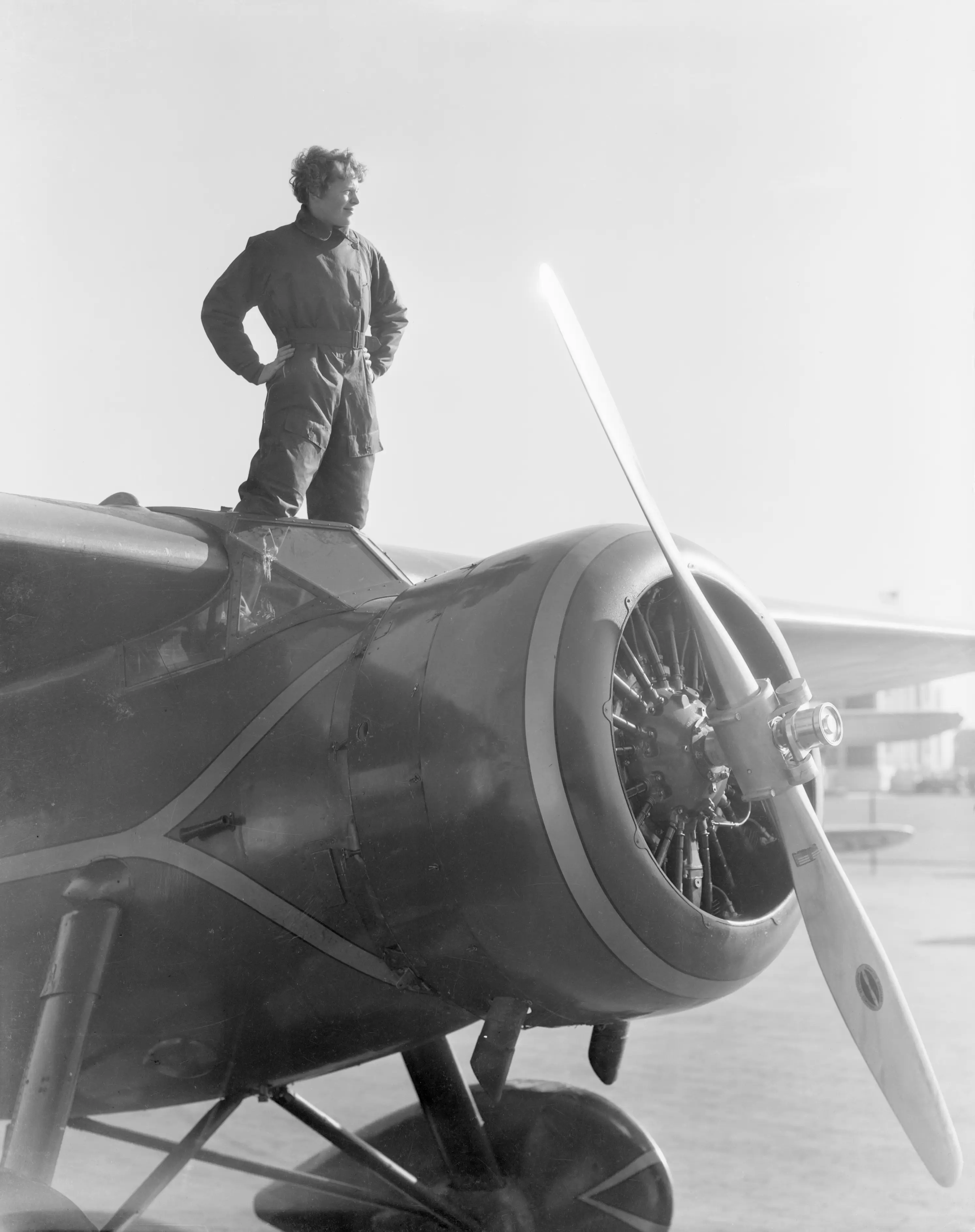
The team concluded that there was evidence to confirm the theory that the imagery had been of Earhart’s crashed aircraft and instead, it is believed that the object was ‘likely a collection of large trees deposited along the peninsula’s sandspit’.
Rick Pettigrew, the executive director of ALI, said: “Amelia Earhart’s spirit of courage and curiosity drove every step of the search. We accomplished our goal to determine what the Taraia Object was, and we’re deeply grateful to the private donors who shared our vision and made this journey possible. Our team remains in great spirits and proud of what was accomplished.”
Steve Schultz, Purdue general counsel and expedition member, added: “Perhaps no words better capture this expedition than Amelia Earhart’s own: ‘Adventure is worthwhile in itself’.
“We set out to test a hypothesis, not to guarantee a particular result, and we followed the evidence to the end. While the Taraia Object did not prove to be what we hoped, the journey produced new discoveries, added to the world’s knowledge of Nikumaroro, and wrote another extraordinary chapter in a story of discovery and exploration.”