Amazon worker reveals crucial thing you should 'never do' when returning items


While clicking the option to ‘return’ an item is easy, what happens after your parcel reaches an Amazon facility is anything but, with workers opening boxes, refunding orders, and sorting mountains of items at speed.
One former Amazon Returns employee has revealed a bit about that reality in a Reddit AMA, after spending a summer ‘processing returned merch and unloading trucks’.
They said the job made them appreciate ‘not working in an oven’, not having TVs fall on their head, and owning a pair of work gloves that didn't smell funky.
When another user asked for tips to make the process easier ‘on both us and on folks like you’, the original poster’s answer on the subreddit thread was surprising.
Advert
Before anything else, the ex-worker had one request for customers sending items back.
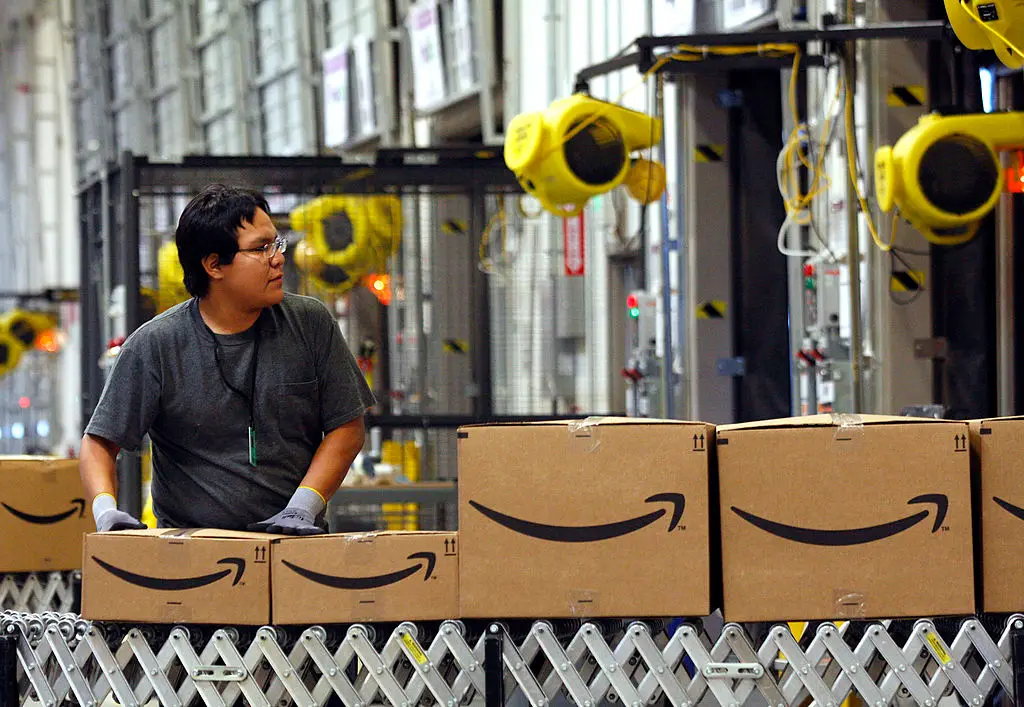
He said: “Never ever use packing peanuts. Bubble wrap is better and helps take the edge off. Send packages back in the box they came in. And make sure to use the label Amazon tells you to use. It's there for a reason.”
Compared to a home setting, loose peanuts can just be a bit annoying, but in a high-volume returns line, they can be quite chaotic — as they can spill everywhere, slow down processing, and can even get into other open packages.
The thread also revealed the kinds of things that turn up. Asked about the strangest return they handled, the worker replied: “The weirdest thing I had to process was a soccer ball some d*****t returned, covered in blood, with a tooth sticking out of it. We had to shut down the line for a bit, clean down my station, and replace any equipment that might have come in contact with it.”
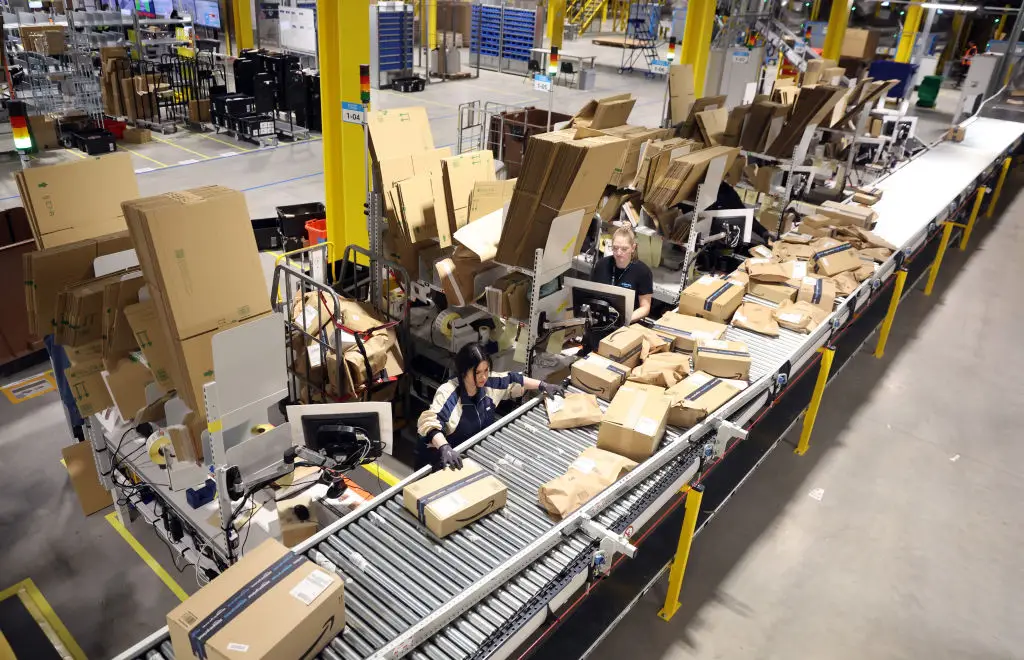
As for where all of these returns actually go, according to the employee: “Returns go to a warehouse where they're unpacked, refunded, and sorted into crates. Some of it goes to Warehouse Deals, and some of it returns to the vendor that sold it. I didn't personally inspect electronics, but most major items like laptops, TVs, iPods, etc. are tested to see if they still work and are sold as used if possible.”
That means a ‘return’ isn’t automatically doomed, but packaging can influence whether something survives the journey and the inspection process. Sending it back in the original box, padded properly, and with the correct label gives it the best shot at being resold rather than written off.
The worker also shared what the job paid at the time: “$10.50/hr, 40-50 hours a week”. After seeing the system up close, they offered a final, telling line: “I don't remember. After working there for a week, I swore I would never buy from them again.”