Sci-fi writer eerily correctly predicted almost everything about modern life from AI to remote working


It seems like it was a bit of a prerequisite if you wanted to be a successful sci-fi author in the 20th century that you'd need to be able to make some scarily accurate predictions.
Many of these writers were from technical backgrounds themselves, and the nature of their job meant that they spent a lot of time thinking about how things might unfold for humanity in the decades to come.
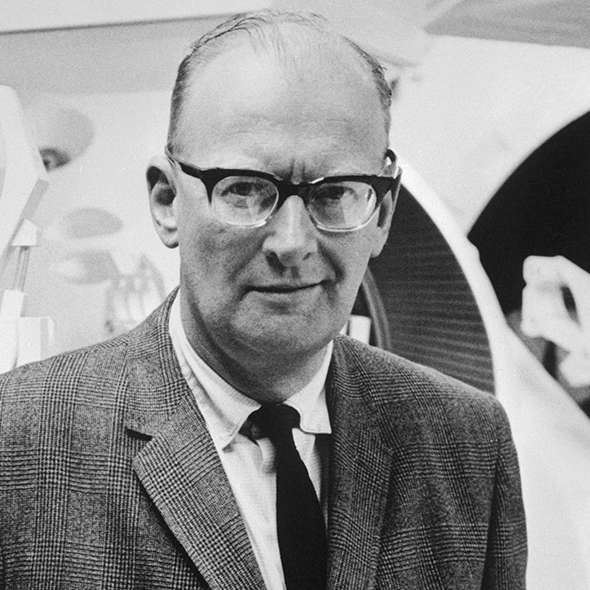
Arthur C. Clarke is one of the most celebrated writers in the genre - he was the mind who gave us 2001: A Space Odyssey.
In 1964 he took part in an interview segment with the BBC, running through a whole heap of predictions he felt confident about for our society's future, and it's super impressive how many of his thoughts were proven right over the years.
Unlike other utopian idealists who believed that we would eventually be living in green and futuristic cities with unrecognisably impressive buildings, Clarke thought that this probably wouldn't happen, since instead there would be instantaneous communication between locations which meant such huge cities weren't really needed.
Advert
He said: "These things will make possible a world in which we can be in instant contact with each other wherever we may be, where we can contact our friends anywhere on Earth even if we don’t know their actual physical location".
Now, that's pretty much word-for-word come true via the internet and personal smartphones, which is a great start.
Clarke went on to predict that this network of communications could mean that remote working would become absolutely standard, again expressing this pithily: "Almost any executive skill, any administrative skill, even any physical skill, could be made independent of distance. I am perfectly serious when I suggest that one day we may have brain surgeons in Edinburgh operating on patients in New Zealand."
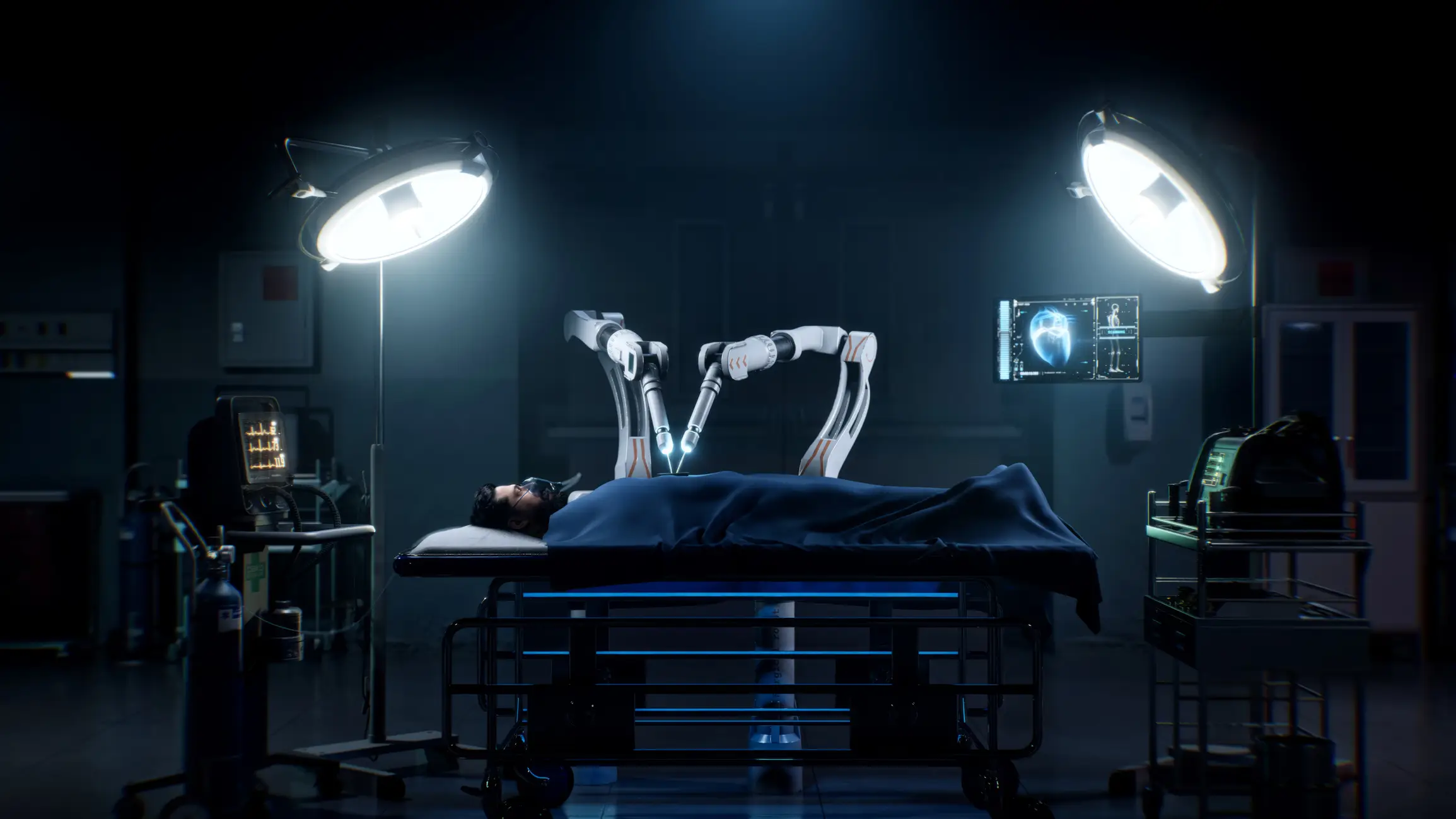
We might not quite be at the point of regular remote surgeries, but experiments and research are bringing that option closer than ever before, scoring another hit for Clarke.
Possibly Clarke's most timely idea, one that was underscored by the rogue AI in his novel 2001, was that "the most intelligent inhabitants of that future world won’t be men or monkeys, they'll be machines".
That's a typically quickfire way to sum up the idea that we'll build the sort of artificial intelligence tools that are now flourishing and becoming more common all over the world.
If this leads to true artificial intelligence, rather than just language models and predictive tools, it could see a radical shift in how our world is ordered, and Clarke was hugely impressive in being able to predict this and more all the way back in 1964.