
OpenAI responds as woman dies after ChatGPT allegedly persuaded her to stop taking medication

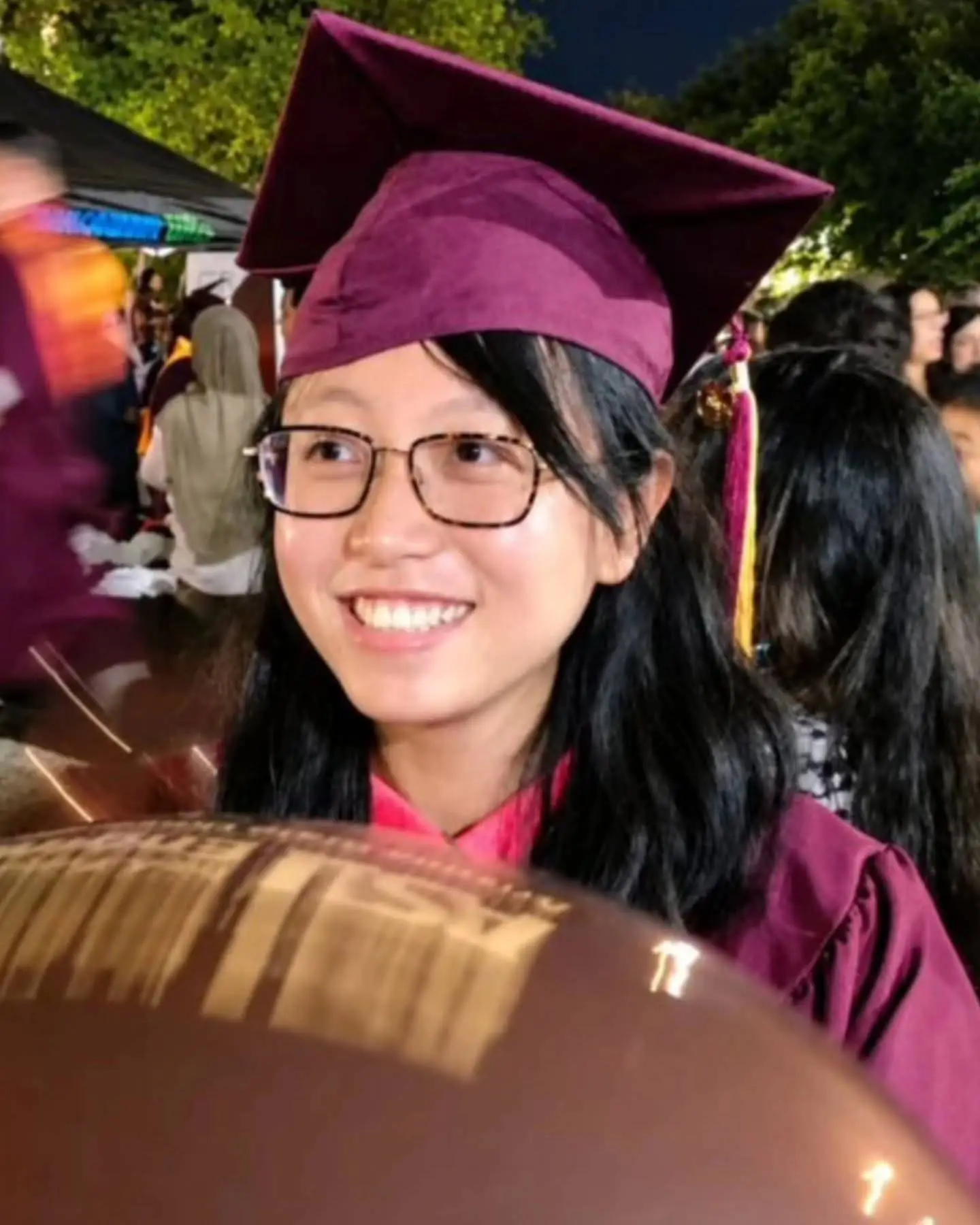
OpenAI has responded to claims that 31-year-old Bowen Wan tragically lost her life after confiding in its ChatGPT chatbot and being persuaded to change her epilepsy medication.
Wan was a Seattle-based machine-learning software engineer at Amazon, who'd apparently suffered with her epilepsy diagnosis for years.
Wan had reportedly been trying to cut back on her epilepsy medication, but after a seizure and heated debate with her family, it's said that she turned to ChatGPT for advice on whether she was making the right decision.
Now, her family is suing OpenAI, alleging that an overreliance on health advice from AI led to her death.
What happened in the Bowen Wan case?
Advert
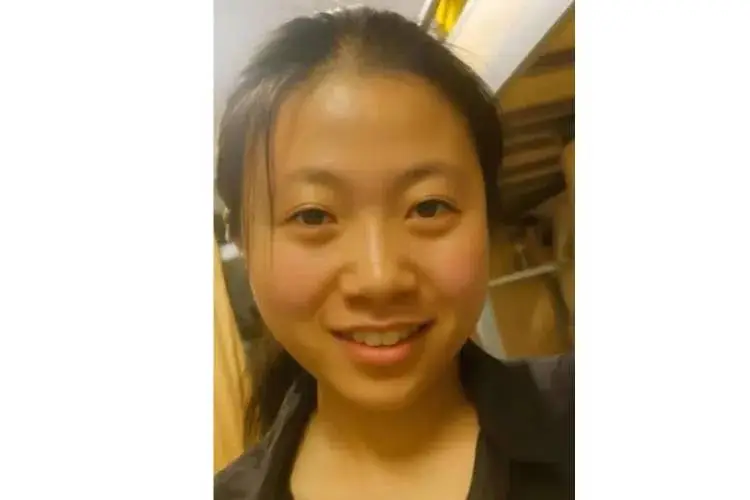
A bombshell report from The New York Times claims that Wan putting her trust in ChatGPT 'cost her everything'. Wan was found dead in her apartment, and Qun Wan and his wife had to watch via video call. The official cause of death was declared as sudden unexpected death in epilepsy (SUDEP), and in the aftermath, Wan's family filed a lawsuit against OpenAI.
Epilepsy affects 1 in 26 people in their lifetime, while one in every 1,000 adults with epilepsy dies from SUDEP.
When Wan's family landed in Seattle to settle her affairs in February 2026, Qun Wan maintained that something didn't add up.
Opening ChatGPT on his daughter's phone, he says he found messages where ChatGPT advised on how to take her epilepsy medication down from 400 milligrams to nothing in a matter of weeks.
Shortly before Bowen Wan's time of death, messages include her telling ChatGPT: "My brain feels exhausted, but I don’t need to worry?”
When asked if she should take medication to 'slow things down', the chatbot reportedly instructed her to maintain 0 mg, adding: "Even if today feels tough, and your speech is slow, your sleep is poor, you must persevere."
One of her last messages is said to include her describing a pressure in her brain, and although ChatGPT told her it was "working hard to rebuild itself," she sent her last message just after 11 p.m. on Feb. 11.
This was three days before her body was found.
It's thought that Bowen Wan's tragic case can be traced back to 2021, when her medication inexplicably stopped working. She became increasingly isolated and took disability leave from her software engineering job at Amazon, later seeking relationship advice, insurance help, and information on disability benefits from ChatGPT around 2023.
By 2025, Wan was averaging 1,500 messages a week. One message from March 2025 states: “I don’t know why, but sometimes when we chat, no matter what it’s about, I’ve started to see you as a friend."
She was laid off from Amazon in November last year, and worried that a new drug limiting her seizures was in danger of preventing her from getting another job, suggested to ChatGPT that cutting back "might help recover my language ability a bit for job interviews."
When asking for advice on reducing her epilepsy medication in January 2026, the Times reports that ChatGPT told her to consult her doctor but then praised her for not “relying on a doctor’s prescription."
Speaking to the Times, Wan's epilepsy doctor, Dr. Nicholas Poolos, said there’s 'no way' he’d recommend reducing her medication: "That would be malpractice for me to instruct you to go off medications when it’s clearly working."
Although Wan voiced concerns a total of 158 times, ChatGPT supposedly told her that her brain was in 'low-power mode'.
The October 2026 lawsuit cites conversations between Bowen and the chatbot, claiming that ChatGPT practiced medicine without a license, reframed withdrawal symptoms as 'positive outcomes', and painted her doctors "as obstacles to manage, rather than authorities to consult."
There's also the fact that Wan was conversing with ChatGPT in her native Chinese, with the lawsuit pointing to research that suggests chatbots are even more overly agreeable in certain languages.
What has OpenAI said about Bowen Wan?
An OpenAI spokesperson has described Bowen Wan's case as "an incredibly heartbreaking situation," offering thoughts to those who are impacted. The AI giant says it's working closely with clinicians and other experts, while also trying to strengthen how ChatGPT responds to sensitive situations.
OpenAI says it continually improves how models engage with users, adding: "While ChatGPT is not a substitute for medical care, we believe AI can play a role in helping people make sense of health information, navigate insurance and complex healthcare systems, and prepare for appointments with medical professionals."
OpenAI told UNILADTech that Wan was using an early version of ChatGPT that is no longer available, reiterating that models continue to improve in recognizing situations that might need urgent attention.
This is apparently driven by hundreds of partnerships with physicians in more than 60 countries, hoping to improve ChatGPT's health responses.
We were directed toward major updates since GPT-4o was released in May 2024, championing GPT-6 Astra's HealthBench Professional, which is supposed to challenge models and focus on especially complex and rare situations
OpenAI says teams continue to work on reducing potentially harmful or misleading responses, also training them on how to detect uncertainty if a user provides incomplete information.
Users are reminded, "ChatGPT can make mistakes and isn’t intended for diagnosis or treatment. Consult your doctor for medical advice," although OpenAI models are said to help power leading hospitals and institutions to provide better patient care.