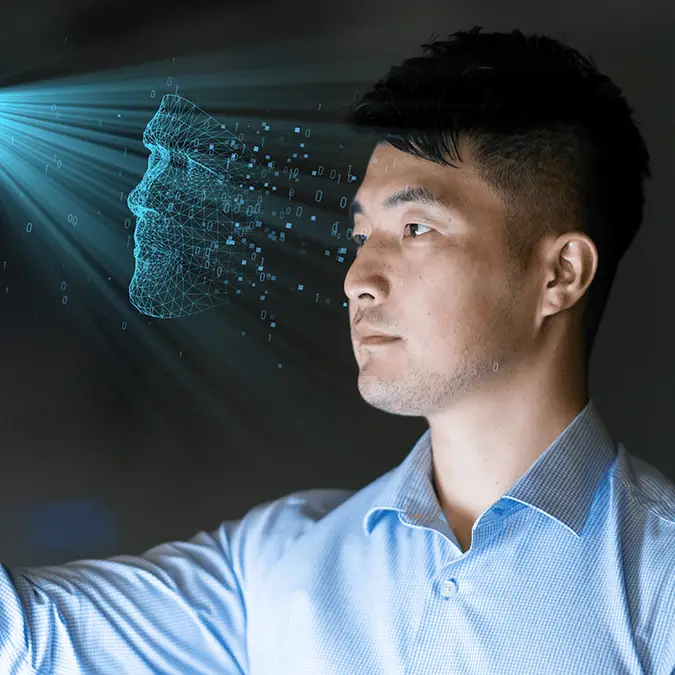
How much you can actually make by selling your face to AI


Rapid advancements in AI tech have allowed people to pursue an unorthodox money-making technique, as the option to 'sell your face' to artificial intelligence companies, with some paying as much as $700 for a temporary licence.
This phenomenon is particularly popular in China, as per Rest of World, where more than 95% of all microdramas released in the first three months have used generative AI in their production, and people want to capitalize on it.
Whether it seems like a cool opportunity or dystopian nightmare very much depends on how you view the situation, yet its popularity has been cemented as people see it not only as a way to insert themself into the industry, but also get paid simply for having a face of their own.
What this doesn't account for, however, is the growing number of claims of likeness theft thanks to the use of AI, where people are discovering that their face has been 'stolen' and used in content produced using generative models without their permission.
How much would you get from selling your face to AI?
While the methods available in China that are growing in popularity give people the option of up to $700 in exchange for their face, one woman has sold her own likeness for as much as $2,000 — although the terms of this agreement are rather different.
Advert

Most instances of face-selling in China work on a temporary basis, where people agree to 'rent' their visage for a set period of time, and theoretically it can't be used for anything produced thereafter.
For a woman known as Lucy, however, her agreement exists in perpetuity, meaning that any advert produced for the rest of her life can legally use her face through generative AI tools, leaving her no control over what she ends up promoting.
How to sell your face to AI
Outside of China it appears as if the primary way that people are 'selling' their faces to AI is through propositions from tech startups, as somewhere like America is yet to receive explicit platforms that formalize the process.
New Claw, for example, is one of the leading websites giving people the opportunity to exchange access to their face for money, and it even gives people the option to select the type of content that they want to appear in, how many times it can be used, and the use cases for their likeness.
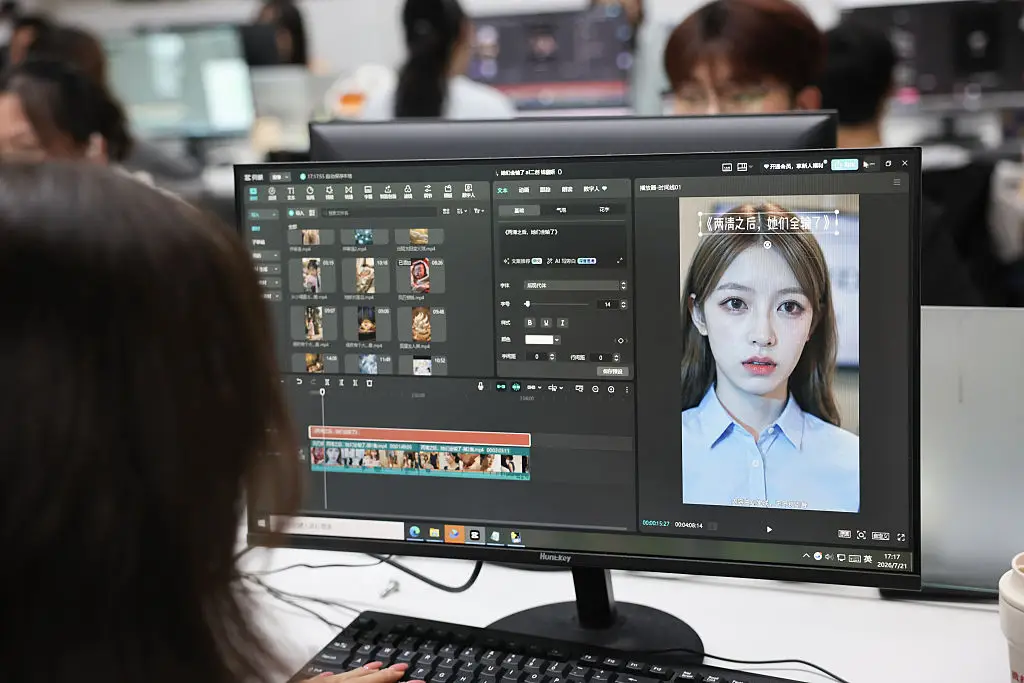
"Whether actors and models choose to licence their faces on our platform or not, AI has already disrupted the industry," explained Long Lyu, New Claw operations lead, in a statement to Rest of World.
"Selling the rights to their photos gives them a way to earn, while continuing their careers offline," he continued, implying that it's merely a side opportunity instead of something that'll eliminate professions.
From the other side of the curtain, producers can browse these tools and look for specific types of faces, with categories like 'girl-next-door', 'rugged', or 'supermodel' helping them find the exact right person for them, alongside options to filter by genre too.