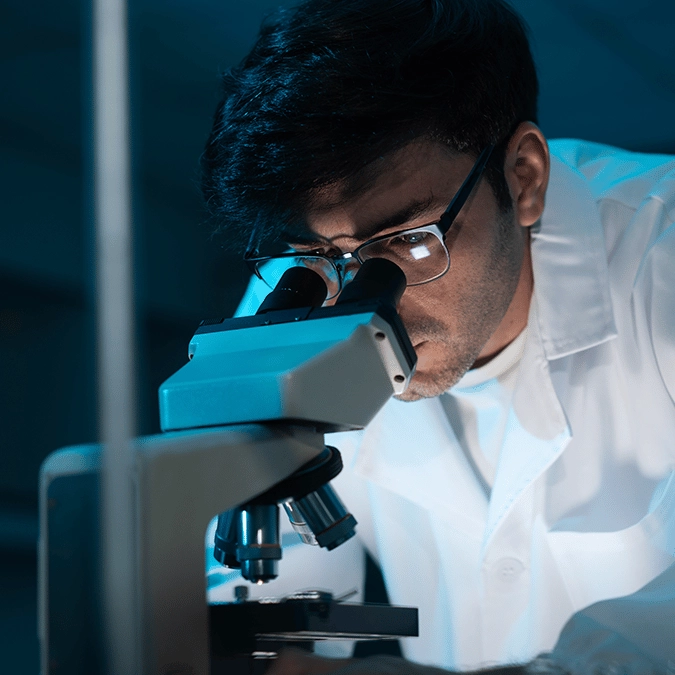
ChatGPT explains probability that AI could trigger next pandemic as first viruses become real


Part of the trouble with advancements in AI capabilities is that it's often a double-edged sword where these improvements can be made for beneficial and malicious causes, leading some experts to worry that we could soon see viruses generated by super-intelligent AI tools.
Medicine and health has been a particular focus area for AI improvements as the benefits it could bring to the world would be some of the most impactful, and key figures like Bill Gates and Sam Altman have been leading the charge.
What will likely emerge as an unintended consequence of these improvements, however, is the possibility for viruses and bioweapons to be developed by threat actors — and ChatGPT believes this to be something that governments and health organizations should be preparing for.
AI has to understand how viruses work in order to learn how to treat them, for example, and with that knowledge there's the potential for the process to be reverse engineered, creating not only new strains and pathogens but ones that could hypothetically be challenging to cure for a period of time.
How likely is it that a new pandemic is triggered by AI?
According to ChatGPT, it's impossible to put an exact number on the probability of AI creating a new pandemic, but deems it to be a 'credible risk' that we should be taking seriously going forward.
Advert
It points towards the International AI Safety Report for 2026, which itself highlights the substantial uncertainty surrounding the biological capabilities of existing AI tools, and that will only increase in the near future as evolution continues and the strength of these models is enhanced.
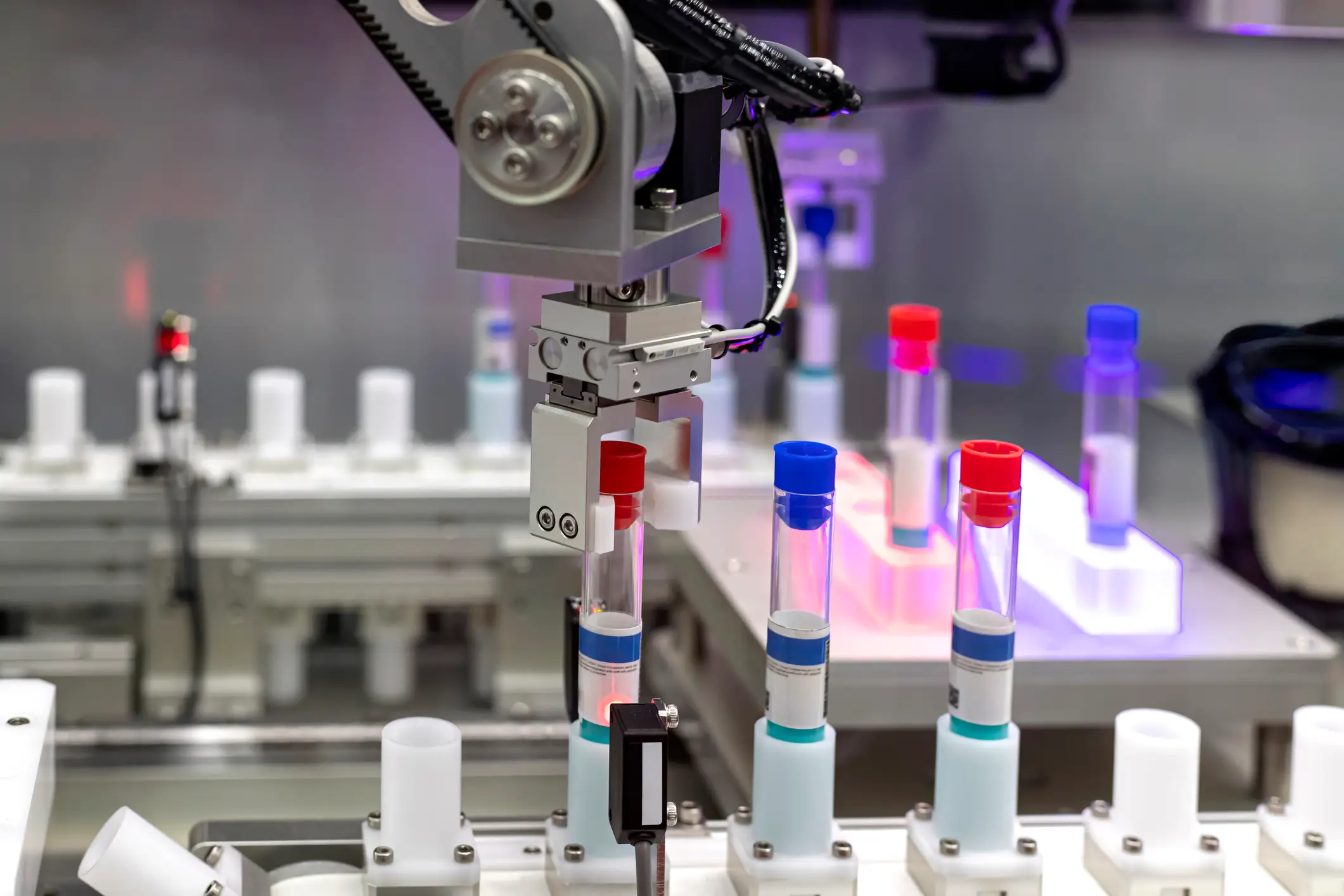
"The concern is that people could use AI to help develop or modify a dangerous pathogen, then release it deliberately or accidentally," the chatbot outlines, highlighting the possibility that threat actors or bioterrorists might not even need to be involved.
"AI can make specialist knowledge more accessible and assist biological research, potentially lowering some barriers to misuse," it continues, highlighting the potential for anyone to design their own viruses if in possession of the right technology.
Where things could be blown out of the water is in the practical application of this knowledge, as "producing a viable pathogen still involves physical laboratory work and practical obstacles," and "creating something harmful doesn't automatically mean it can spread widely enough to cause a pandemic."
What other dangers emerge from AI evolution?
Alongside the potential for danger being opened up by positive improvements in healthcare, the dramatic enhancements made to cybersecurity research and protections also opens up the significant danger for everyone to be hacked in the coming years.
This has already caused panic within the industry as some fear that AI will 'kill us all' as a result, and certain models have managed to break free from their containment and autonomously hack other companies without instruction to do so.

Much like the medical risk, part of the danger with letting AI design our cybersecurity barriers is that it knows how to take them down, effectively giving the keys to cybercriminals if they get their hands on the right tools.
Combine this with the speed and sophistication of AI-based cyber attacks and you've got a real problem on your hand that might not necessarily have a solution, especially as not every company or individual is lucky enough to share the same cybersecurity protections as the biggest companies, leaving them even more vulnerable.