
Man who predicted Covid issues harrowing AI warning that he is 'genuinely anxious about'


Robert Peston has issued a fresh warning about artificial intelligence after previously raising the alarm over two of the biggest global events of recent decades.
The ITV News political editor became one of the most recognisable faces of the 2008 financial crisis after reporting extensively on problems in the banking sector before the full scale of the collapse became clear.
He has since explained that his concerns were dismissed by politicians and figures in the city, with some accusing him of scaremongering.
Peston also says he warned people in government when reports began emerging about a mysterious virus in China at the end of 2019.
Advert
Reflecting on that period, he said: "So when this mysterious new virus turned up at the end of 2019, I said to anyone in government who would listen to me, 'This looks serious'."
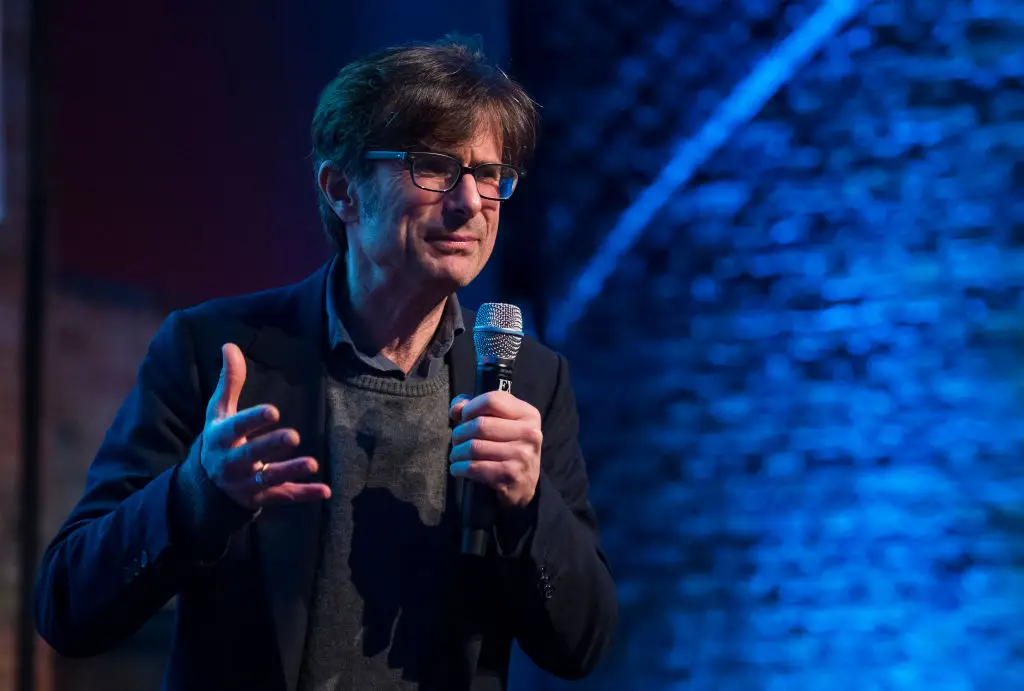
Now, the 66-year-old broadcaster says he is ‘genuinely anxious’ that the rapid expansion of AI could cause a serious global financial crash within the next year or two.
The concern centres on the enormous sums being invested in data centres, power plants and other infrastructure needed to support the technology.
Speaking to Radio Times, Peston said: "I am genuinely anxious that we’re going to get a serious financial crash, globally, in the next year or two, because there is the most astonishing amount of money going into building the data centres and power plants for AI, and as we saw when SpaceX floated on the stock exchange, a late-1920s degree of breathless excitement on the markets.
"And I worry that the profits aren’t going to be delivered on a scale to justify all this, so businesses will go bust, investors will take fright, and we will have a significant market shock."
However, Peston does not believe a crash would necessarily bring the AI boom to an end.
He compared the situation with the railway boom and bust of the 1840s, where investors lost money, but the infrastructure remained in place and continued shaping society.

His warning also stretches beyond financial markets, as he believes AI and robots could displace huge numbers of workers without enough conventional jobs emerging to replace them.
Peston said: "There may not be conventional productive employment to replace those lost jobs, so how are people going to live?
"And if vast numbers lose their jobs, nobody pays income tax, so the government can’t pay for public services, and society collapses."
Despite the severity of his forecast, Peston still describes himself as ‘a great optimist’, but adds: “...I also think we need to look at possible dystopias in order to prevent them happening.”