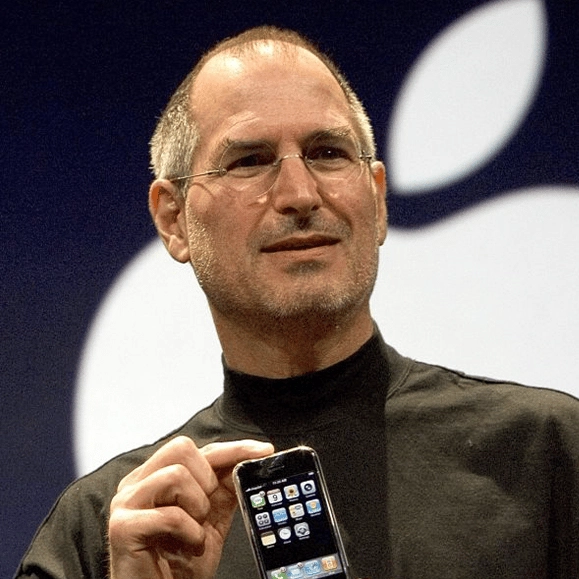
What Steve Jobs said the 'i' in iPhone actually means


The iPhone quickly became one of the world's most recognizable and valuable brands after its release and that power has only grown over the last two decades, yet a surprising number of people don't know the story behind the name.
While Apple has somewhat moved away from the 'i' based naming function over the last few years, with recent launches like the HomeView and even the AirPods and Apple Watch forgoing what became so recognizable with the iPhone, iPod, and iPad decades ago.
It was once as associated with Apple as the logo itself, yet younger fans might not be aware that it stands for something that co-founder Steve Jobs made clear back when he was the company's CEO.
This topic of conversation has been brought back into the spotlight following a new viral post on X, with Jonathan Stephens suggesting that "anyone who doesn't know the answer to this was born after 1995," and he might not be wrong there.
What does the 'i' in iPhone stand for?
iPhone, iTunes, iCloud, and iMessage are all instantly synonymous with the Apple brand, yet the meaning behind this prefix is both fixed and in flux with Steve Jobs giving it a rather abstract definition.
Advert
The primary explanation for the 'i' is to signal that these devices were connected to the internet, with the introduction of the iMac and it's web connectivity in 1998 being the first instance of this.
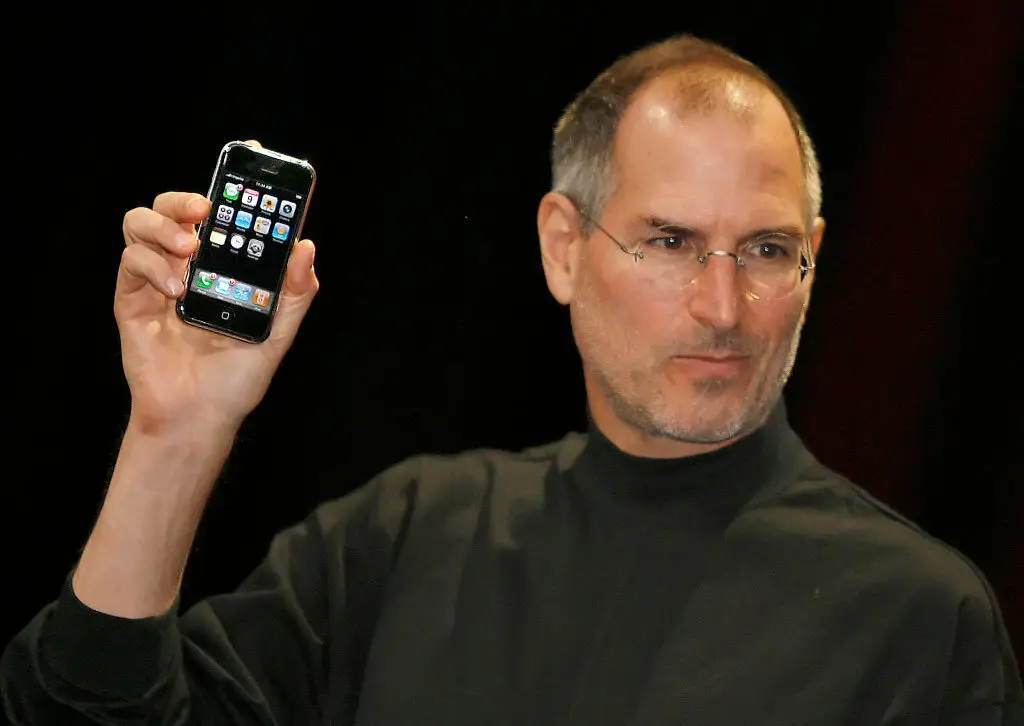
Apple's iPhone was far from the first phone with internet capabilities, yet it arguably pushed the smartphone landscape in a new direction, and the same can be said for many of Apple's other flagship products.
The 'i' also reflects four other meanings for Apple, with individual, instruct, inform, and inspire all relating to what the naming format is meant to represent — and it certainly caught on with many other companies using it as a signifier for forward-facing technology.
Why doesn't Apple use 'i' for products anymore?
It might therefore come as a surprise that Apple would ditch the 'i' prefix from new products following the release of the iPad in 2010, but the expected reasoning behind that unexpected move makes sense in the long-term.
While the 'i' association instantly gave people an idea of what a product would be like and all of the positive connotations that come with the Apple name, the company like decided to opt instead for a more direct brand association that's stuck over the years.
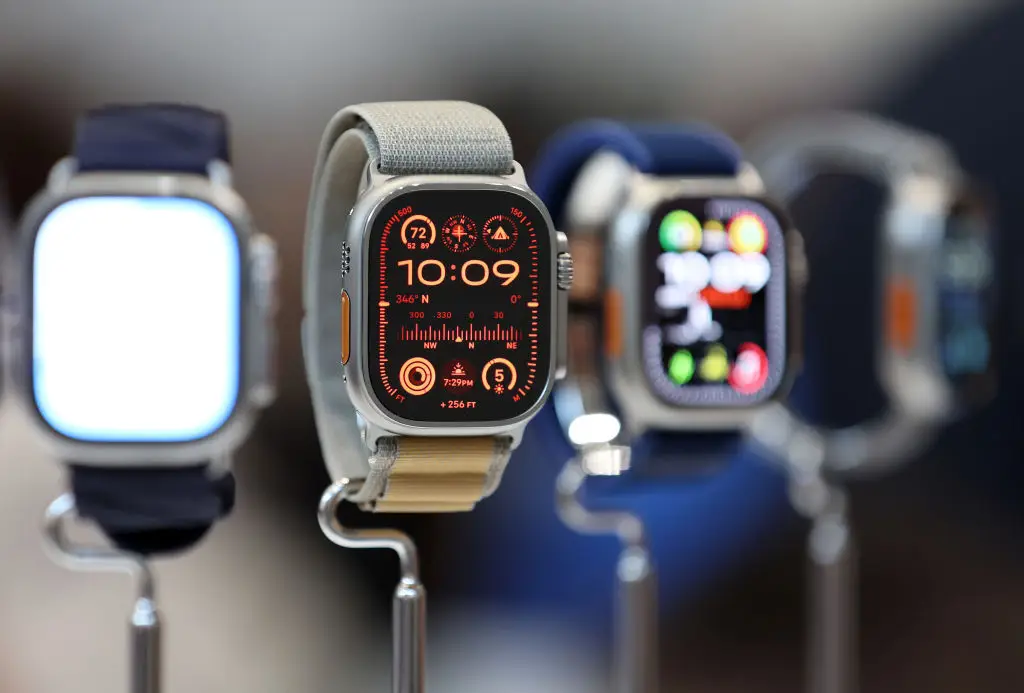
They've not changed the name of any of their heavy hitters – sticking with what works for things like the iPhone or iPad – but commonly opt for an 'Apple' or 'Air' prefix these days.
That's why the Apple Watch isn't called the iWatch – as it would have if it released half a decade prior – and the same with software features like Apple Pay or Apple Card.
One of the few products that has undergone a transformation is the shift from iTunes to Apple Music, as while they're not technically the same thing as iTunes is a music library whereas Apple Music is a streaming service, the latter took over the former a few years ago in a move that cemented the new naming function.