
Man uses machine to fold iPhone Duo 3,000 times in ultimate test against two competing foldables


Seven years after Samsung barged its way into the (then) tiny folding phone market, Apple is finally ready to enter the game. Seemingly hoping it's a tortoise-and-the-hare situation, the tech giant's long-awaited folding iPhone is here in the form of the iPhone Duo.
Releasing today (October 23), the iPhone Duo has reportedly been years in the making as Apple has tried to outshine its competitors in terms of making an invisible crease. While some might be worried about a lack of Face ID or apps that aren't running as they should, creases appear to be the only thing on some people's minds when it comes to the latest iPhone.
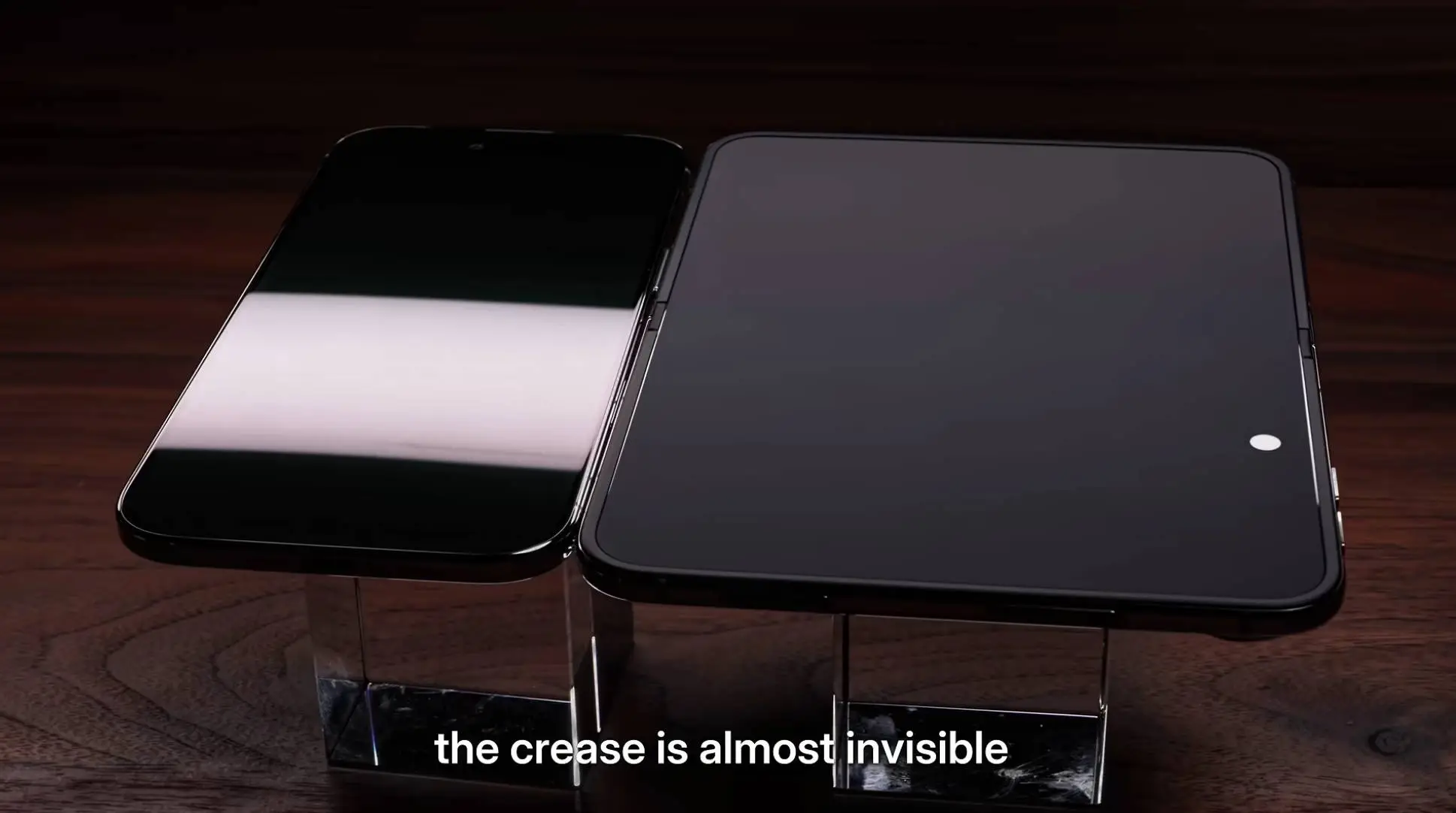
While the first reviews suggest that the iPhone Duo's fold is definitely less visible than the one on its Samsung rivals, many are already putting it to the test.
After one YouTuber put the Duo through its paces to show off what it looks like after 10,000 folds, another has tried a different experiment to test for wear and tear.
How does the iPhone Duo look after 3,000 folds?
Advert
Over on YouTube, HTX Studio has tried a similar way to see how visible that supposedly minimal crease looks after 3,000 folds. Praising the Duo's sleek design while comparing it to the iPhone Air (it's actually even thinner than the Air), He Shijie shared many people's complaints that the Duo feels a bit bulky to hold in one hand.
As for that infamous crease, the YouTuber thinks Apple has done a great job in 'hiding' its fold fresh out of the box. Thinking about how many times we're likely to open and close a Duo in a day, he then did a professional crease-depth scan to compare the Duo to two other foldables currently on the market, as well as an older model from five years ago.
Crunching the numbers, the older phone's crease had a peak to valley height of 350 microns, while the Duo's is only 48 microns. As that's about half the thickness of a sheet of paper, it's a pretty impressive win for the Duo.
Still, Shijie claims that they found the Duo's crease 'very' obvious' at a launch event, and putting all of the phones in a specialized folding machine, noted that it might lose its lead after excessive use.
After being folded 3,000 times, the Duo's peak to valley height climbed from 48 microns to 167 microns.
The slope across the center screen apparently rose from 0.097 degrees to 1.245 degrees, while he maintains the screen started to flex slightly across the hinge.
While some might question who is noticing these minute differences, it's a serious dealbreaker for many.
Ultimately, Shijie said Apple's first folding phone brings "plenty of fresh ideas with real purpose behind them" but concluded that they mostly fix flaws that have been built into folding phones instead of pushing the experience forward.
What does the future of the iPhone Duo hold?
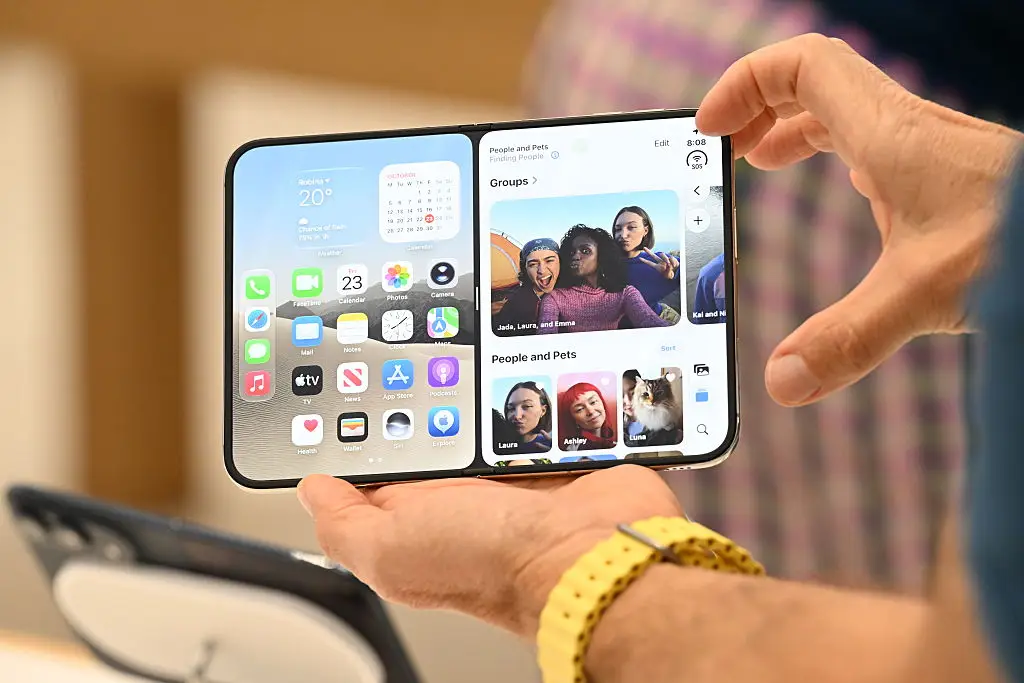
2026's Duo is just the first in what we assume is a long line of folding phones. Even though it's unclear whether we're getting another iPhone Air, the many years of investment and passion put into the Duo means there will surely be another.
In Marques "MKBHD" Brownlee's in-depth review, he referred to the Duo as 'first generation fun', reminding us that Apple is only just dipping its toes in the folding waters. MKBHD called out the likes of app optimization, but this is something Apple is already working on.
There are already whispers of potential prototype leaks that hint at a Duo 2, and if we follow Apple's typical release schedule with years releases of iPhones since 2007, we could realistically be unfolding a Duo 2 this time next year.
We say that, but with Duo stocks being ravaged and some delivery dates pencilled in for January 2027, you could have a bit of a wait on your hands.
This brings us back to HTX Studio, who questions whether folding phones will ever become mainstream. According to the tech tester, folding phones effectively give you a makeshift phone on the outside and a cutdown tablet on the inside.
Then again, that doesn't seem to have stopped the hype surrounding the iPhone Duo.
Many retailers are sold out of the iPhone Duo but you can pre-order the device with $40 off at Verizon.