
What happens to your purchased films when a streaming service shuts down

It's another death knell for physical media, and while those of a certain age will remember their shelves being stocked with DVDs or even chunky VHS tapes, those days are long gone. Even Netflix has transitioned away from its starting model of posting DVDs to compete with Blockbuster, meaning our carefully cultivated collections of classics simply live on in the cloud.
While there's no denying there are plenty of positives to the rise of streaming, there are also some obvious disadvantages.
We've seen this with video games, as a slew of titles like 2013's Deadpool and Teenage Mutant Ninja Turtles: Turtles in Time Re-Shelled are unavailable to download or play unless you have a physical copy.
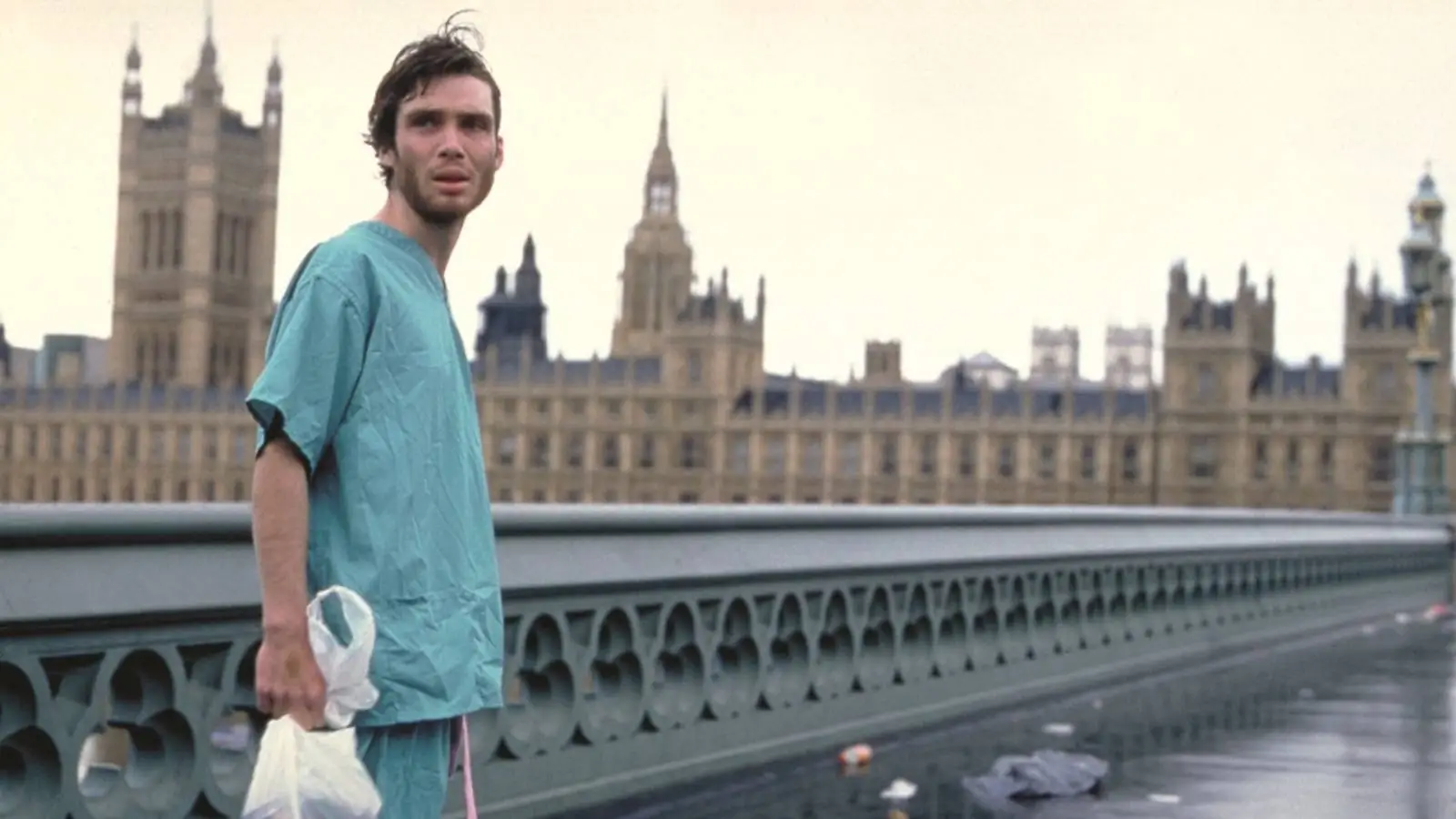
It was the same case with Danny Boyle's 28 Days Later, and due to licensing issues when Disney acquired 20th Century Fox, the hit horror movie was unavailable on any streaming platform for years.
Advert
Philippe Tremblay, Ubisoft's head of subscriptions, told gamers they need to 'get comfortable' with not owning the games they've bought, reminding disgruntled consumers that they're effectively renting them for an indeterminate amount of time.
How do movie purchases work on streaming services?
Away from our monthly subscriptions that we're shelling out for the likes of Netflix, some platforms offer the ability to 'buy' movies. Amazon Prime Video offers up the latest releases long before they eventually make it to a standard tier of a streaming service, but when you're often spending more than the average price of a cinema ticket to view something like Curry Barker's Obsession, you might think it's yours forever.
Unfortunately, you're still licensing a movie when you 'buy' it from Apple TV, Amazon Prime Video, or Google.
Your purchase simply covers a limited and non-transferable license to view a movie for as long as the platform supports it.
This became even more obvious when Telstra TV Box Office announced it was shutting down in 2024.
Customers were told that unless they migrated to the alternative service known as Fetch, they'd lose access to the shows and movies they'd bought.
At the time, The Guardian reported on the shutdown and claimed one customer was being told to pay $200 for Fetch or lose access to $2,500 of Telstra TV Box Office purchases.
A Telstra spokesperson reiterated what we said above, noting it's a rights issue that was pushing customers to move to a similar content service. Customers hadn't been able to make new purchases for several months ahead of the service's axe and had plenty of notice about the migration, but for many, it wasn't good enough.
How to protect your media library

In the event that a streaming service ends, users will likely have plenty of notice. But what if something like Amazon Prime Video suddenly went down?
The question comes up more often than you'd think, with an old Reddit thread asking this exact question.
Companies tend to have terms of service that cover themselves legally by stating they can suspend, modify, or terminate access without refunds or liability in the event of licensing losses or a business closing.
As we saw with Microsoft Movies & TV and the PlayStation Store honoring existing access, storefront closures don't always mean you'll lose your collection.
Still, customers launched a class action lawsuit that accused Amazon of bait-and-switch tactics in August 2025, calling out words like 'buy' and 'purchase' on Prime Video. Amazon's Terms of Use specifically state that content could become unavailable due to third-party restrictions and other reasons, also reiterating that it's not liable if that happens.
None of that would matter if servers shut down or a company completely goes out of business because the remote servers hosting your content go offline, and they're gone forever.
To protect your library, try and use offline downloads to a computer, tablet, or phone. In theory, you should be able to keep watching locally until an update breaks Digital Rights Management technology.
Services like Movies Anywhere link retailers like Apple, Amazon, and Google together, acting like a free digital rights locker that syncs your purchases in case a title's status changes.
Even though Movies Anywhere is convenient, it requires studio participation.
Paramount and Lionsgate aren't part of it, meaning the likes of the Mission: Impossible movies and The Hunger Games are locked to the platforms you bought them on.
Banging the physical media drum, the simplest way to ensure you can watch your favorite franchise on a rainy day is to buy them on DVD, Blu-ray, or 4K UHD discs. It might take up more space, but when you want to binge the Saw movies, it's a simple case of dusting off your discs.