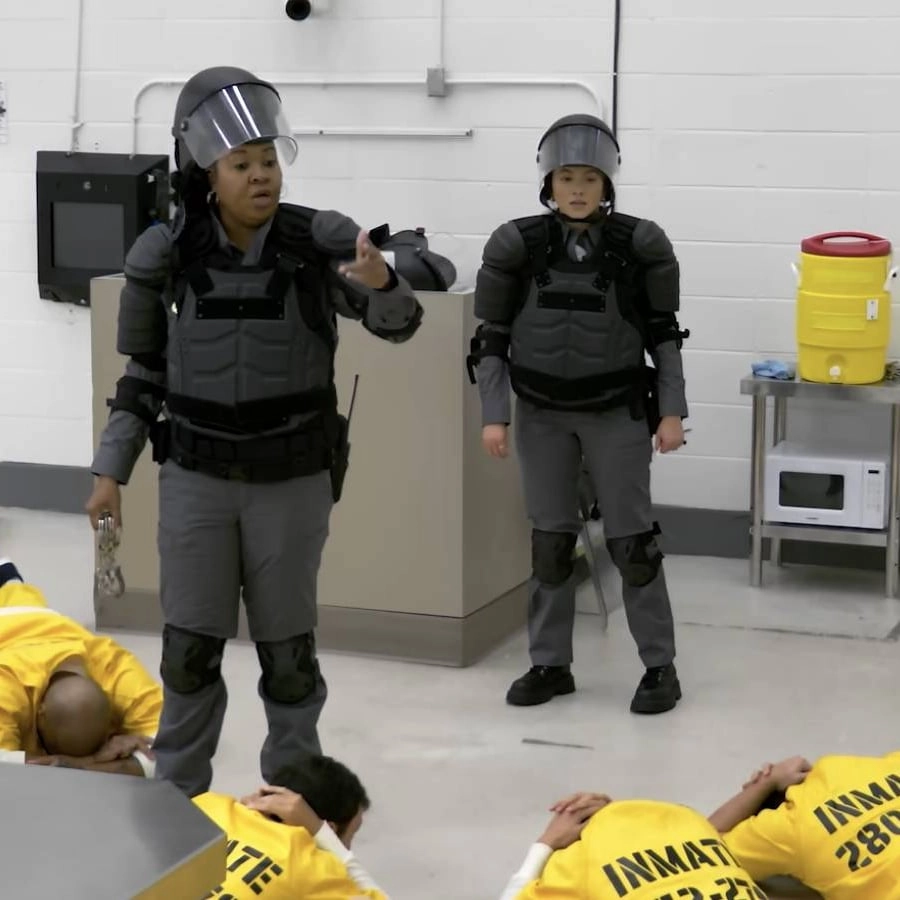
Netflix producer hits back at outrage over recreation of Stanford Prison Experiment

Netflix is known for its original programming, but alongside the likes of Stranger Things and Wednesday, it also pumps out reality TV series like Squid Game: The Challenge, Love is Blind, and Queer Eye.
There was recent backlash when Netflix's Wonka's The Golden Ticket reality series came under fire for using ElevenLabs AI to recreate the voice of the late Gene Wilder, but that's nothing compared to the uproar facing the streaming service over its latest show.
After all, when you bring back one of the most controversial social experiments of all time, you're going to get some heat. Enter The New Stanford Prison Experiment, and what could be one of Netflix's most divisive exports yet.
What was the original Stanford Prison Experiment?
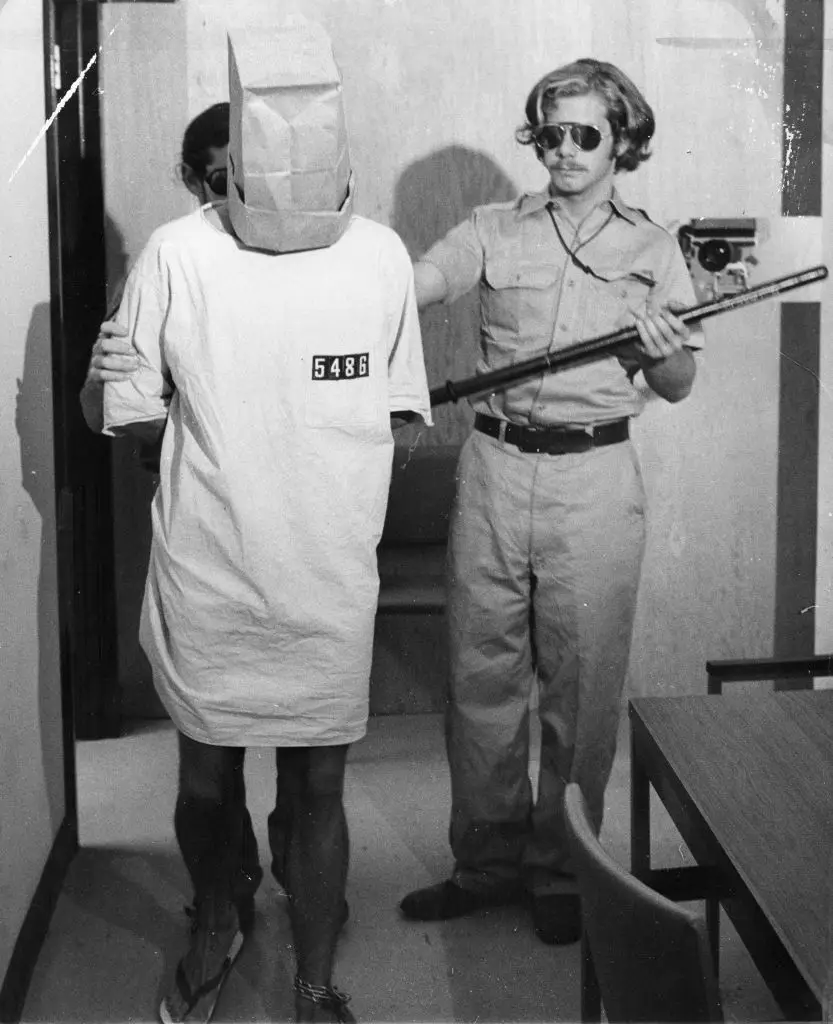
Back in 1971, Professor Philip Zimbardo attempted to simulate a real-life prison in the basement of Stanford University. Recruiting 24 male applicants and offering them $15 a day (about $125 in 2026) to take part in this "psychological study of prison life," they were randomly assigned the role of either a prisoner or a guard.
Advert
'Prisoners' were arrested by real police officers in Palo Alto, taken to the university's mock prison, strip-searched, and given ID numbers. Meanwhile, 'guards' were given uniforms specifically designed to de-individuate them and simply told to stop the prisoners from escaping.
Although designed to last for two weeks, prisoners rebelled, and guards quickly instigated increasingly harsh rules. Prisoners were sprayed with fire extinguishers, forced to clean toilet bowls with their bare hands, and in the final days, made to simulate sexual acts on each other.
A visit from psychologist Christina Maslach was supposed to evaluate conditions, but when she was horrified by what she saw, she confronted Zimbardo, and he pulled the plug after just six days.
Even Zimbardo admitted he was shocked about how much he'd taken on the role of being the 'prison' superintendent.
There were obvious ethical concerns about what these young men were subjected to in a matter of days, while others called out the fact that those who experienced apparent mental breakdowns were denied release or had it delayed so the experiment could continue.
The Stanford Prison Experiment has been discussed plenty in the decades since it crumbled, with many citing a lack of a control group and clear independent variables as why it should be rendered invalid.
Added to this, archival reviews mention researchers telling the guards to act tougher on prisoners, which is thought to have led to the experiment's collapse. Not exactly the kind of thing you’d expect to make a comeback as a reality TV series in 2026.
Netflix producer defends The New Stanford Prison Experiment
Given that THE original Stanford Prison Experiment was compared to the abuse of prisoners at the hands of US military personnel at Iraq's Abu Ghraib prison in 2004, resurrecting the idea for entertainment purposes has obviously caused a stir.
Instead of Zimbardo's homemade cells, The New Stanford Prison Experiment takes place in a real-life prison, with 30 willing participants getting a very different experience. Speaking to Tudum, executive producer Jane Lipsitz has argued that The New Stanford Prison Experiment has a place in 2026, boasting new safeguards, the kind of expert oversight the original lacked, and even adding a mixed-gender cast.
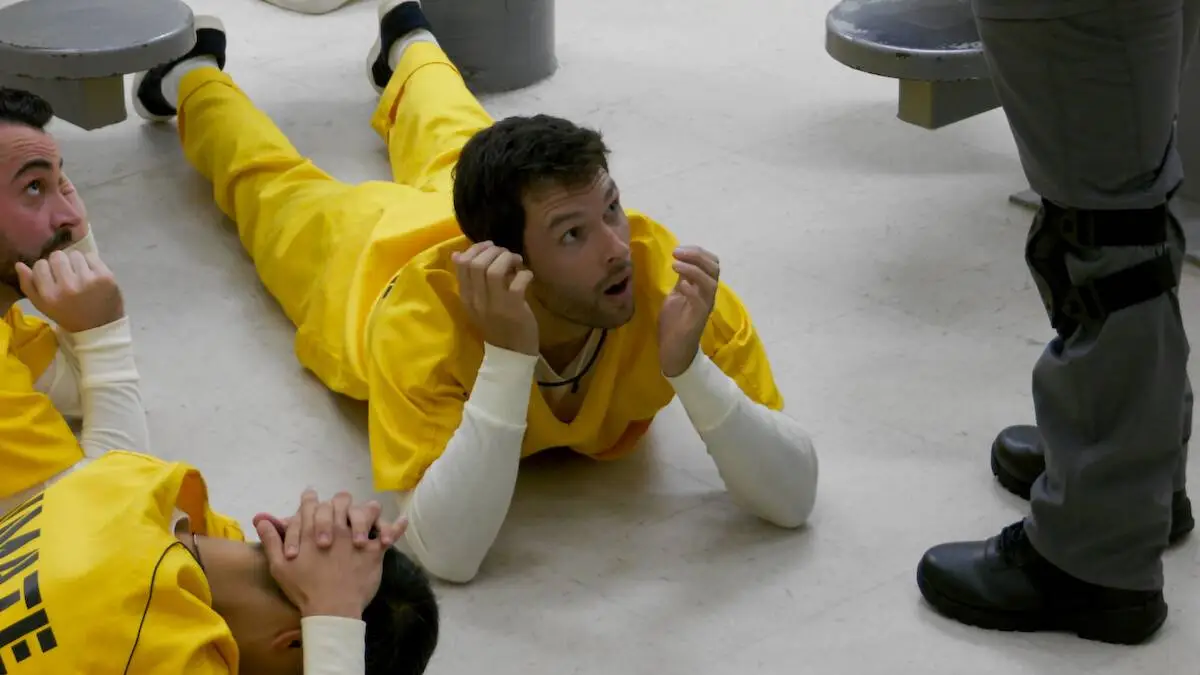
Discussing the outrage the revival received when it was first announced, Lipsitz added: "If we were simply recreating the original experiment, that would be unconscionable. But this is a different time, with different participants, different safeguards and, ultimately, a very different journey."
Maintaining that we're living in an era where people are questioning authority, conformity, group identity, and systems that continue to divide us, Lipsitz said: "It felt like the right time to revisit that question with a new generation and ask whether power inevitably changes us — or whether we’re capable of resisting the roles, the rules and the systems we’re placed into. What we discovered during this process was something we never saw coming."
Promising we've learned from the mistakes of the past, it's said that participants all made informed decisions when signing up and underwent psychological screenings.
As well as everyone having a safe word, psychologists were supposedly available 24 hours a day and were able to "intervene if there were ever concerns about a participant’s well-being.”
Despite all of this, The New Stanford Prison Experiment clearly remains a divisive idea as it hits Netflix today (October 21).