
TikTok viewing 'deactivates' key part of your brain, says shocking new study


Brainrot might be more real than we think, as a shocking new scientific study has revealed how watching short-form video content on apps like TikTok 'deactivates' key parts of your brain related to your attention span, decision-making, and cognitive control.
People have come to accept over the last few years that social media at large – but more specifically apps like TikTok – have 'ruined' people's attention spans, leaving them incapable of focusing for prolonged periods of time.
While legal challenges have indicated that it takes a shockingly small amount of time for people to become 'addicted' to these platforms, it is only now that we have actual scientific evidence of TikTok brainrot in action, and the results likely won't come as a surprise.
It might prompt you to change your social media habits as they could be harming your cognitive health, but for many it is unfortunately a difficult habit to break from.
How does TikTok impact your brain
Revealed in a new study published in NeuroImage, researchers at Zhejiang University in China have found that the brain's dorsal anterior cingulate cortex (dACC) and dorsolateral prefrontal cortex (dlPFC) are 'deactivated' when viewing short-form content.
Advert
These key regions of the cognitive control network are typically activated during 'cognitively demanding tasks', yet leisurely using apps like TikTok "shifts neural processing toward emotional engagement and immediate gratification, contributing to excessive use and diminished self-control in some individuals."
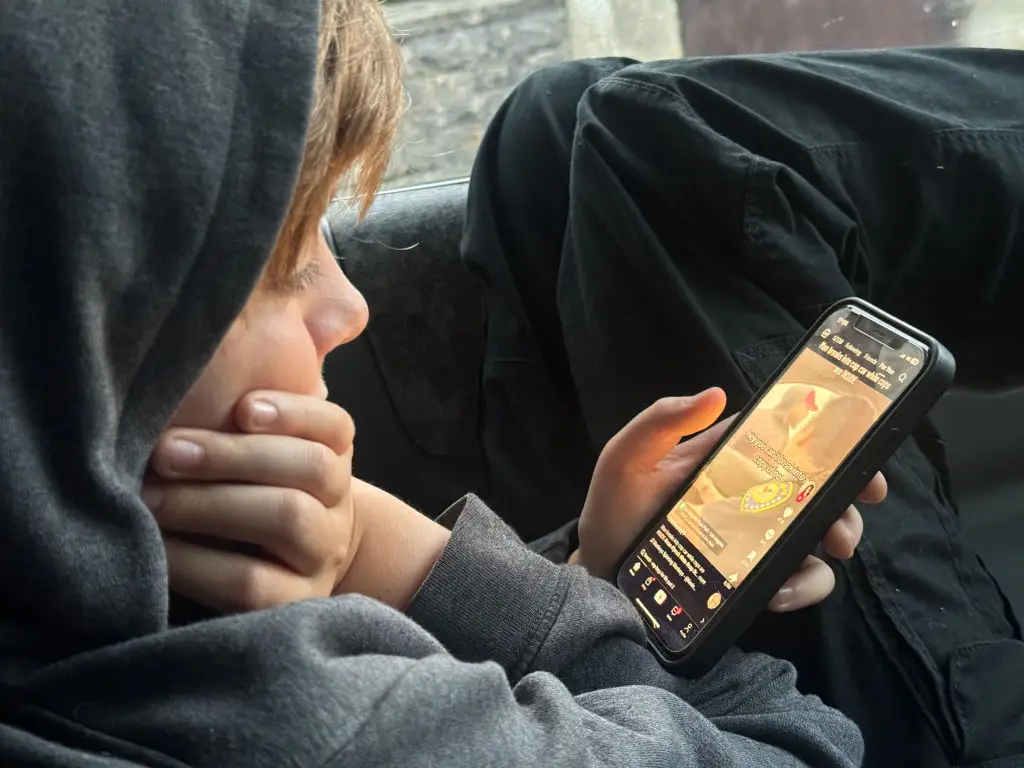
Aiming to concretely answer whether there is a link between short-form content and deactivation of these neural regions, the scientists analyzed 56 young adults with alarming results.
"We found that both the dACC and dlPFC exhibited significant deactivation in response to preferred videos that were watched to completion, compared to less-preferred videos that were terminated early," the study illustrated.
"These findings enhance our understanding of how digital media consumption interacts with neurochemical processes to influence self-regulation," the researchers outline, adding that the study "offers new insights into the neural mechanisms underlying short-video engagement and has implications for understanding excessive digital media use."
Do short-form videos permanently impact your brain?
While the immediate impact of short-form video interaction can and has now been observed through this study, it does not offer any conclusion over the potential for long-term damage for your health.
What it does suggest is that the two key regions simply remain deactivated when watching TikTok videos, and not that they lose the ability to be reactivated through excessive consumption — something that would really be worrying.

It's also not suggesting the opposite, however, that overconsumption of short-form content doesn't impact the brain over the long-term, with further research needed to better understand how our brain reacts to the relatively new phenomenon.
Scientists might be fighting a losing battle when it comes to protecting people from the impacts of short-form video though, as its popularity is only increasing and it's edging ever closer towards becoming the dominant way that people consume news, entertainment, and everything else in the modern age.