uniladtech homepage
  • News
    • Tech News
    • AI
  • Gadgets
    • Apple
    • iPhone
  • Gaming
    • Playstation
    • Xbox
  • Science
    • News
    • Space
  • Streaming
    • Netflix
  • Vehicles
    • Car News
  • Social Media
    • WhatsApp
    • YouTube
  • Advertise
  • Terms
  • Privacy & Cookies
  • LADbible Group
  • LADbible
  • UNILAD
  • SPORTbible
  • GAMINGbible
  • Tyla
  • FOODbible
  • License Our Content
  • About Us & Contact
  • Jobs
  • Latest
  • Topics A-Z
  • Authors
Facebook
Instagram
X
TikTok
Snapchat
WhatsApp
Submit Your Content
The sun's magnetic field is about to flip for first time in 11 years

Home> Science> Space

Published 15:57 17 Jun 2024 GMT+1

The sun's magnetic field is about to flip for first time in 11 years

This could mean more solar storms heading our way.

Rikki Loftus

Rikki Loftus

google discoverFollow us on Google Discover
Featured Image Credit: ANDRZEJ WOJCICKI/SCIENCE PHOTO LIBRARY / Image Source via Getty
Science
Space
Sun
Earth
News

Advert

Advert

Advert

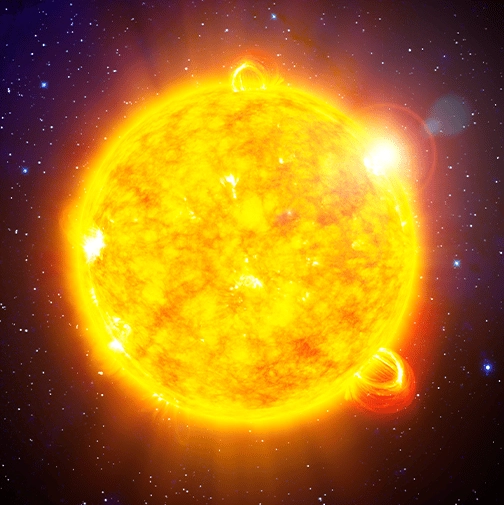
The sun is on the verge of hitting a huge 11-year peak where its magnetic field flips, which means that there will be an explosive amount of activity.

If you’ve wondered why we’ve been able to see the northern lights so much recently, it’s because the sun is coming to the end of its cycle, reaching its solar maximum which is the time where it experiences its greatest solar activity.

The surge has resulted in solar storms and made the northern and southern lights visible in places where they are not usually spotted so easily.
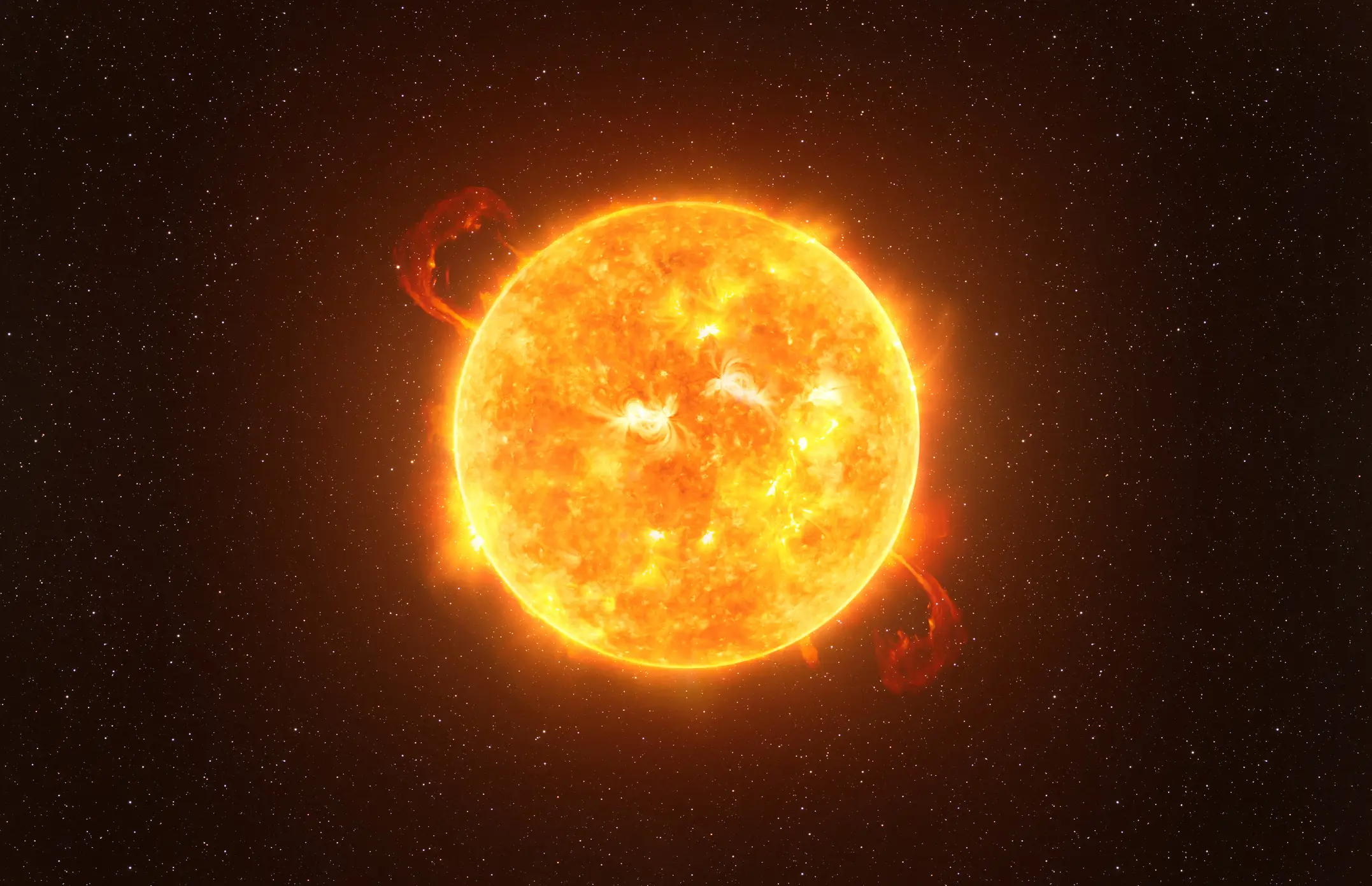
The sun's magnetic field will soon flip (dzika_mrowka/Getty)

Advert

Now that the sun has reached the end of its 11-year cycle, its magnetic field will flip, beginning its shift toward solar minimum, which hasn’t happened since 2013.

It’s not immediate but instead is a gradual transition, as Ryan French, who is a solar astrophysicist and Space.com contributing writer, spoke to Space.com, and said: “In short, there is no specific 'moment' in which the sun's poles flip. It's not like the Earth, where the flip is measured by the migration of the North/South pole.”

But what does this reversal of the magnetic field mean for Earth?
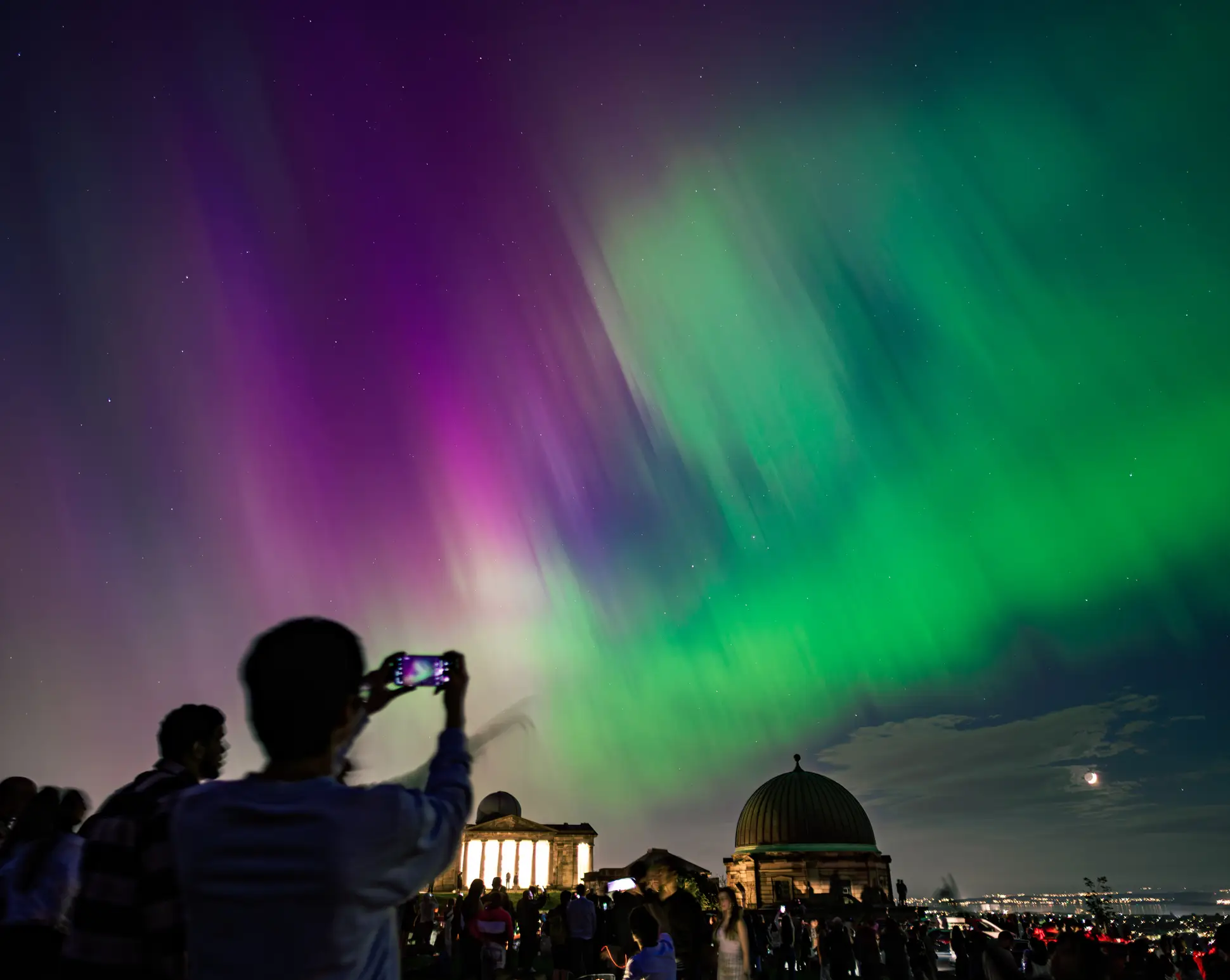
Geomagnetic storms have meant we have been able to see the northern lights more than usual (Ruicheng Yao/Getty)

The increased activity from the sun and its solar flares have caused geomagnetic storms on Earth, resulting in the northern and southern light displays.

It’s a particularly bumpy phase for magnetic activity, so continuing through the rest of the year, we’ll be in a window which has seen plenty of solar flares and magnetic storms, each carrying the potential to be a little disruptive.

While the solar maximum sees storms hit a few times each year, when it's instead the solar minimum, which is the period with the least activity, we might go a few years between storms.

French also added that space weather is at its strongest during solar maximum.

The magnetic field shift can also help to shield the Earth from galactic cosmic rays, which are high-energy subatomic particles which can damage spacecraft outside of the atmosphere.
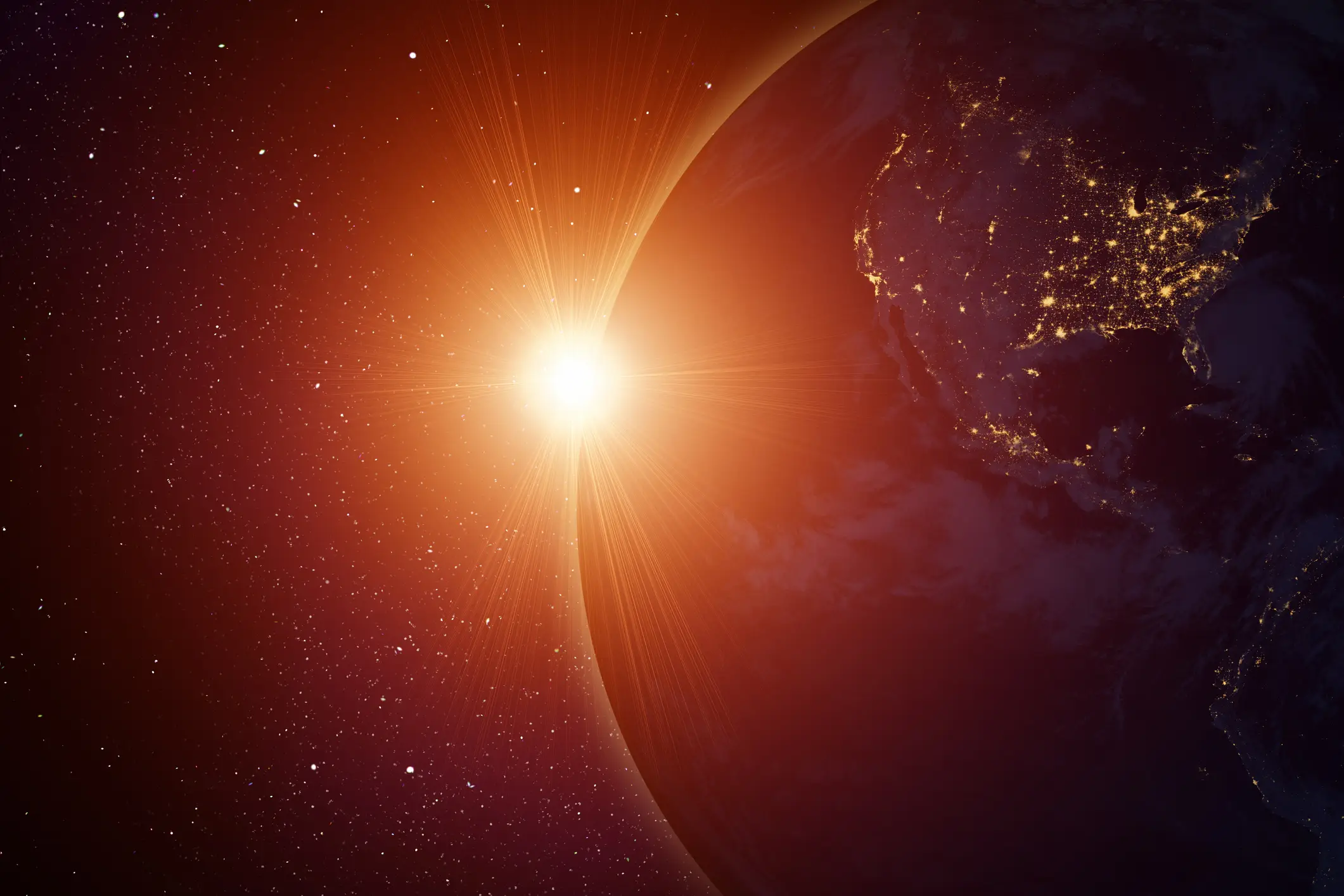
Space weather is at its strongest during solar maximum (dem10/Getty)

It normally takes one to two years for the sun to complete its reversal but the north polar field of Solar Cycle 24 ended in December 2019 and took nearly five years to reverse, says the National Solar Observatory.

There’s another cycle which contains two 11-year cycles. This is known as the Hale cycle and lasts around 22 years, when the sun’s magnetic field will have reserved and then reverted back to its original state.

But don’t worry, while there is certainly a huge increase in activity around this time, the flip is so gradual that you won’t even notice it happening.

Choose your content:

15 hours ago
2 days ago
  • Donaldson Collection / Contributor via Getty
    15 hours ago

    Why humanity hasn't been to the Moon in 52 years as Artemis program aims 2027 landing

    The wait might soon be over

    Science
  • NurPhoto / Contributor / Getty
    2 days ago

    How to watch NASA's historic Artemis 2 mission as astronauts head for the Moon for first time in decades

    You can follow every moment in real time

    Science
  • boonchai wedmakawand / Getty
    2 days ago

    Implementing these small lifestyle habits can seriously reduce risk of heart attack and stroke

    Small changes can make a big difference

    Science
  • SCIEPRO/SCIENCE PHOTO LIBRARY / Getty
    2 days ago

    Scientists discover bizarre thing that happens to semen in space

    Humanity's future beyond Earth might be compromised

    Science
  • Haunting audio recreates sound of Earth's magnetic field flipping 780,000 years ago and experts warn it could happen again
  • How to watch NASA's historic Artemis 2 mission as astronauts head for the Moon for first time in decades
  • Scientists issue chilling new prediction about when humanity could face its horrifying end
  • People mind-blown after discovering the 'real color' of the sun