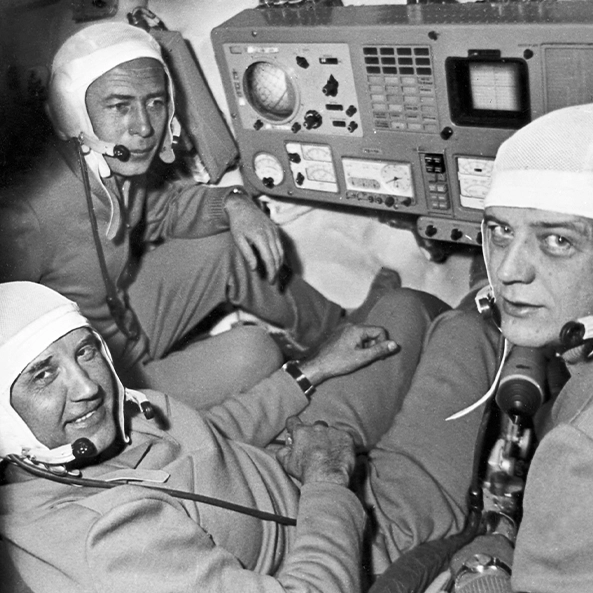
The tragic discovery of the only 3 cosmonauts to die in space


Being an astronaut is an undeniably high-risk profession - we all know the tragic stories that come with various launches.
But there's an interesting difference to be made - fatal disasters have predominantly been around the takeoff and landing of spacecraft, meaning few astronauts have actually died in space.
The unfortunate record of being the only people to die while actually in outer space falls on the crew of the Russian Soyuz 11 mission that launched on 6 June 1971.
Advert
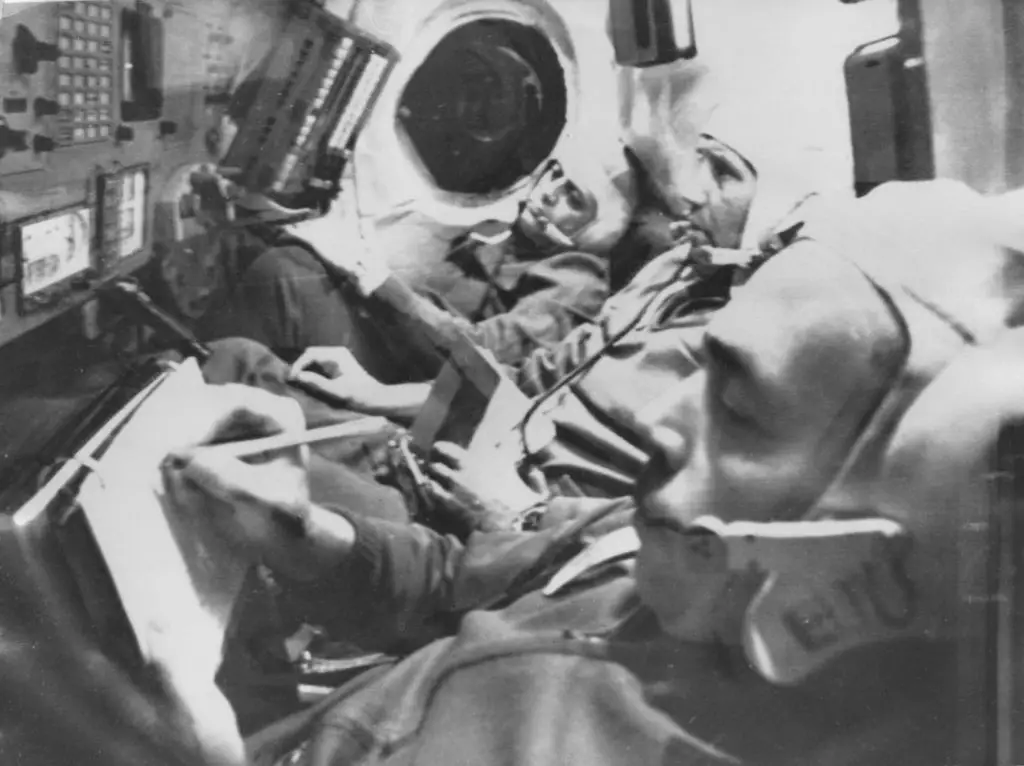
That mission returned to Earth at the end of the same month, but flight control towers struggled to get any response from the cosmonauts aboard.
Georgi T. Dobrovolski, Vladislav N. Volkov, and Viktor I. Patsayev were eventually found dead when the craft was located and opened.
Russian engineer Boris Chertok wrote about the mission in his four-volume memoir, Rockets and People.
He recounts crew communicator Aleksei Yeliseyev as saying: "We asked Dobrovolski the whole time to give us a running commentary as soon as the Descent Module enters our coverage zone, but he hasn’t said a word. It’s strange that Volkov is quiet. During the last session he was very talkative.”
It took some time to piece together what had happened, but it seemed that disaster had struck as the team prepared for its re-entry procedures.
The Soyuz craft was designed to split into three modules for this process, with one becoming the re-entry module, and it would seem that this split didn't go correctly - instead of going in a sequence, it happened all at once, and the stress of the process seemingly opened a valve in the ship somewhere.
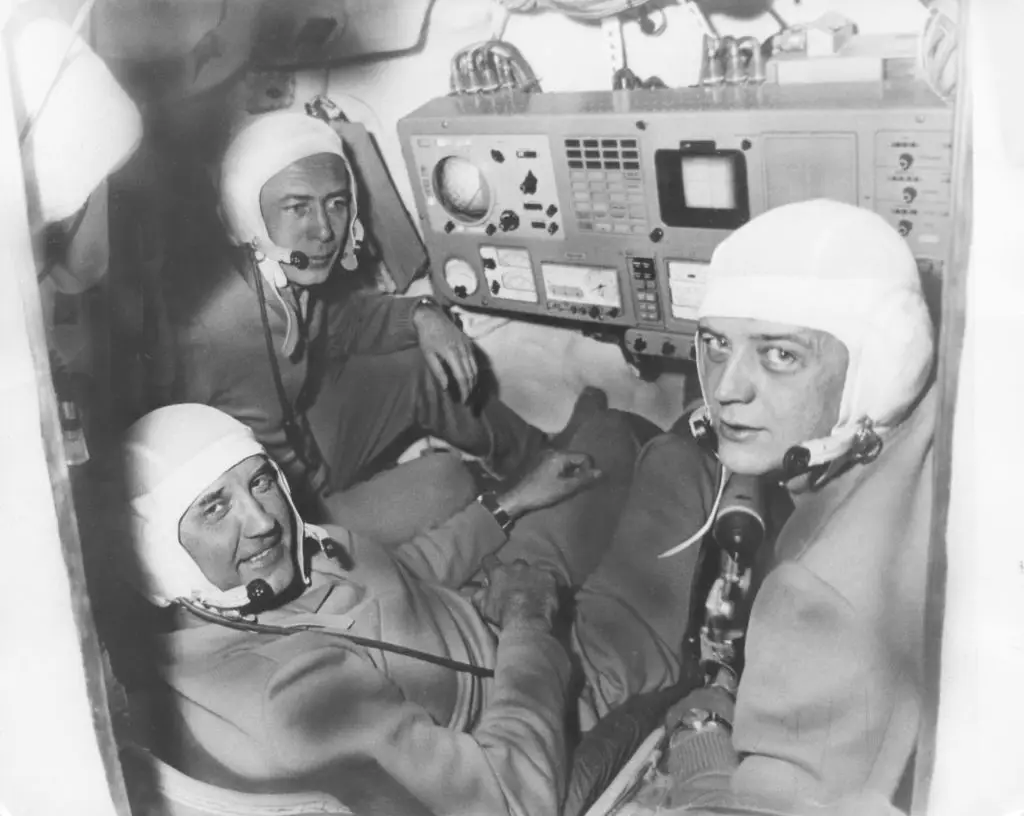
This decompressed the module and all three cosmonauts lost consciousness very quickly, before ultimately asphyxiating.
Chertok also wrote a pretty sad passage about the discovery of their bodies, reporting what an official called Kerim Kerimov told him: "All three were sitting in their seats in tranquil poses. There were dark blue spots on their faces. Blood was running from the nose and ears. They pulled them out of the Descent Module. Dobrovolsky was still warm."
This makes it clear how close the men got to returning home safely - it was eventually discovered that the crucial valve had opened when they were about 105 miles above Earth.
This is sufficiently high that they were above the Karman line, and therefore technically in space - meaning that they remain the only people ever to die out in space.