How one employee's simple typo cost NASA $80,000,000


We would not have wanted to be in this person's shoes...
Space travel has come a long way since NASA first launched the Bumper 2 rocket from Cape Canaveral in 1950, and with Elon Musk's SpaceX offering civilian trips to the stars alongside luxury space stations, we're one step closer to living out our Star Trek fantasies. There have been plenty of mistakes over the history of NASA's quest to chart the cosmos, and while not all are as tragic as the likes of the Apollo 1 and Challenger disasters, there have been some disappointing setbacks.
While there were no fatalities in the botched Mariner 1 mission, one simple typo cost NASA $80 million.
Advert
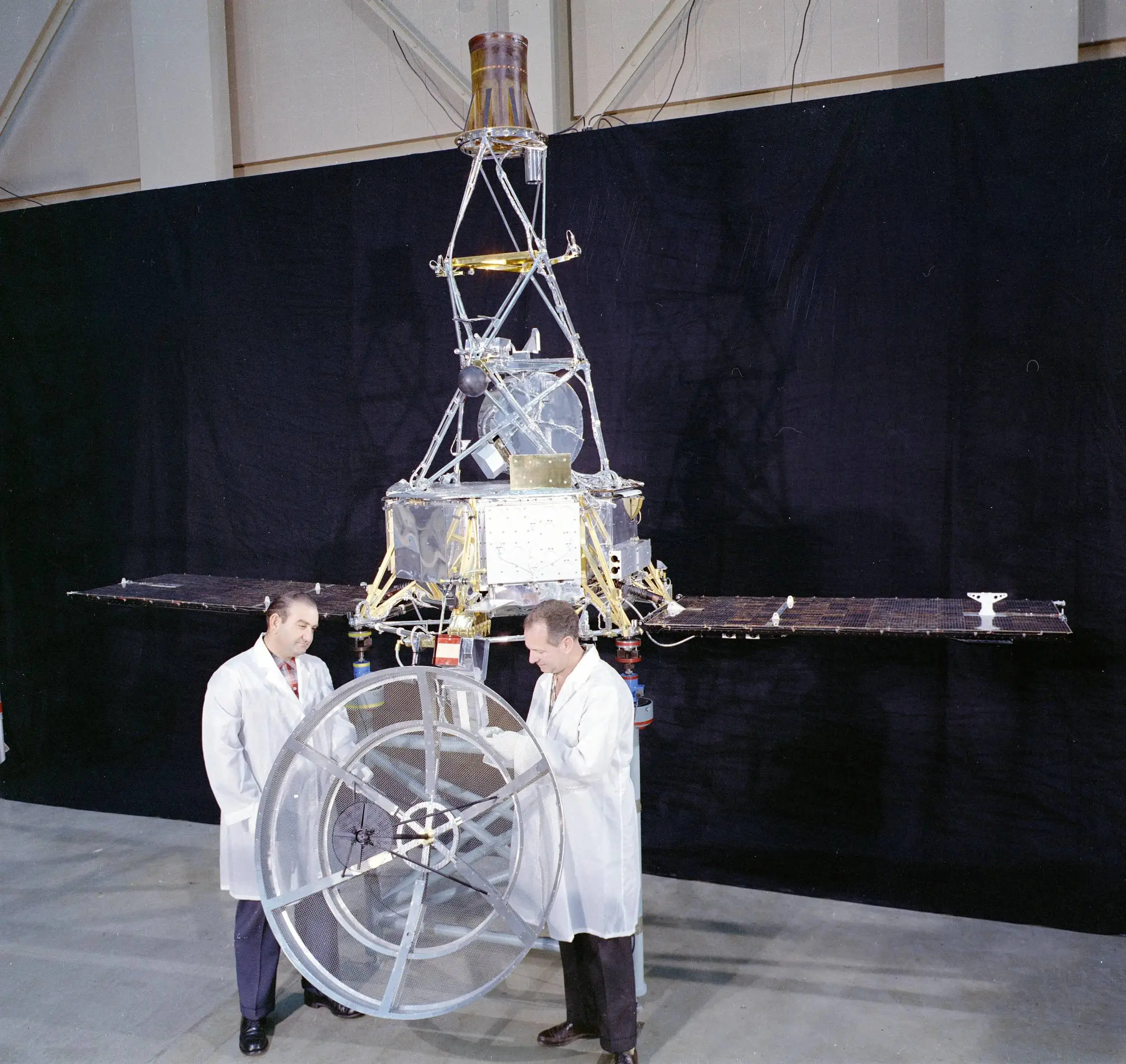
Built as part of NASA's interplanetary Mariner program, the 1962 launch of the Mariner 1 was supposed to give us the first American planetary flyby of Venus. Unfortunately, a calculating error led to disaster and NASA being seriously out of pocket.
The Mariner 1 successfully launched from Cape Canaveral on July 22, 1962, at 9:21am, but just seconds after launch, it was clear something was wrong. As the Mariner 1 started to veer off course in a northeastern direction, it was now heading toward a section of busy shipping lanes in the northern part of the Atlantic Ocean.
Despite Mission Control scrambling to correct the Mariner 1's course, it was completely out of control and doomed either way. Taking the bold decision to activate the rocket's self-destruct systems, the team pulled the plug just six seconds before destruction would've been impossible.
This was much to the dismay of Mariner program director Jack James, who said the rocket's destruction was unnecessary and believed it was heading nowhere near the shipping lanes.
An investigation obviously followed, and during it, engineers suggested a singular hyphen led to the Mariner 1's demise.
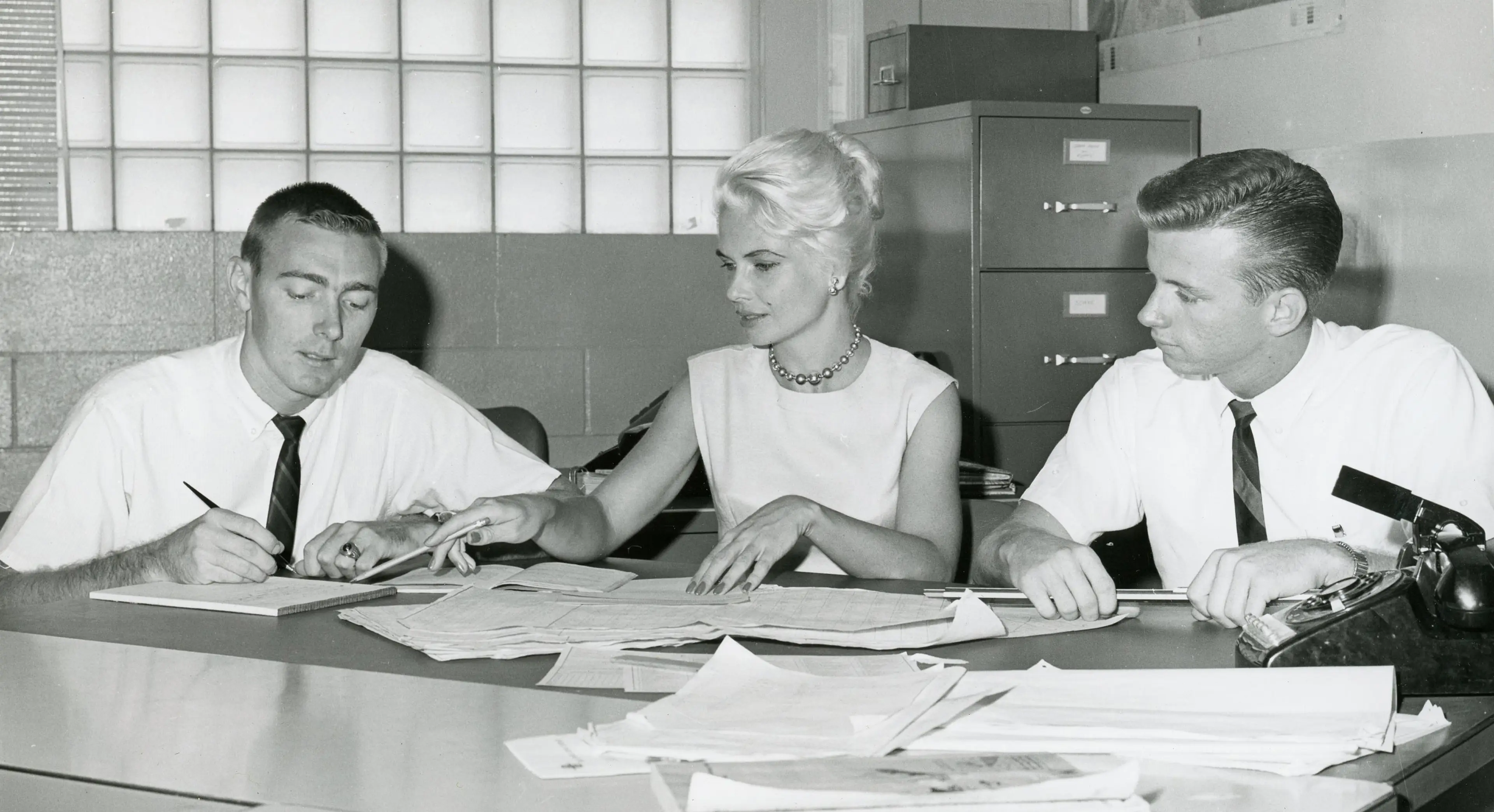
Being made up of 54,000 different components and weighing 447 pounds, the Mariner was an expensive piece of kit. NASA has contracted Jet Propulsion Laboratory (JPL) to create the rocket, and after looking into what went wrong, JPL engineers suggested the fault had to do with some wayward flight equations.
There are conflicting reports from both officials and other outlets, with the Post-Flight Review Board claiming a dropped hypen led to incorrect guidance signals. Others say it was an 'overbar transcription error' (which, to be honest, looks like a hyphen), and some say it was a decimal point in the wrong place.
Either way, Richard Morrison, NASA's launch vehicles director, told Congress that the error led to the rocket flying off course and beyond chance of rescue. To this day, the Mariner 1 incident is referred to as 'the most expensive hyphen in history.' Whether it was a hypen, overbar, or even a rogue wingding, the fate of the Mariner 1 shows why you should always read over your work one last time before you submit it.