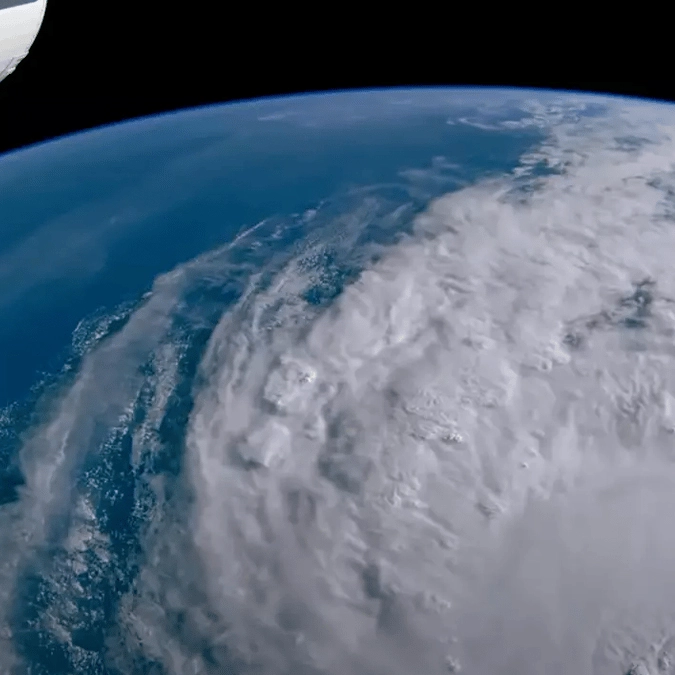
World's first 4k livestream from space has already captured a solar eclipse and devastating hurricane


A first-ever 4k livestream from space has already captured a solar eclipse and a massive hurricane - and it's open for all to see.
This technology was developed by Sen, a UK startup specialising in video streaming from space. And the livestream is available to watch online thanks to Sen’s 4K camera system, called 'SpaceTV-1', which is hosted on the International Space Station.
Unlike the grainy space videos we’re used to, this stream lets people see Earth in real-time, ultra-HD via an intersatellite relay link.
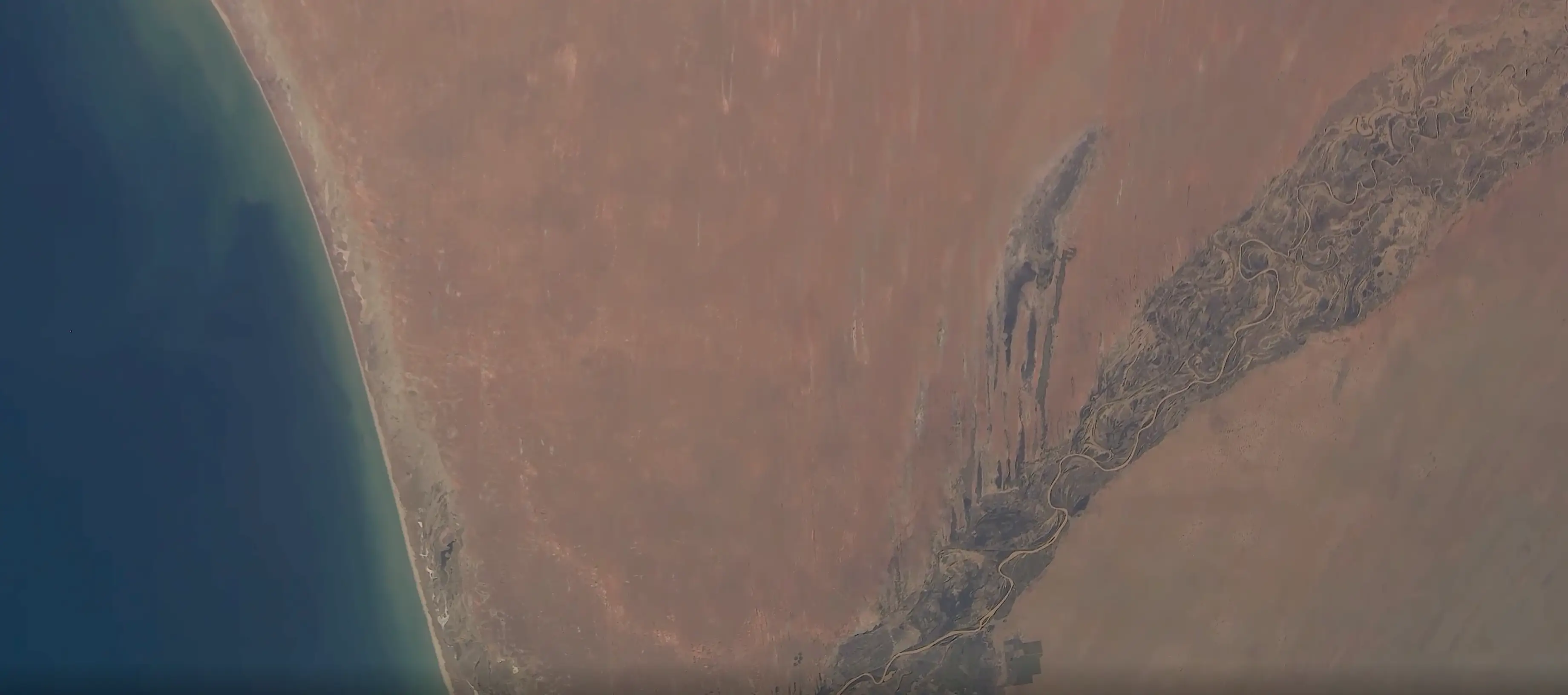
The livestream uses three camera angles: one with a wide-angle panoramic lens showing Earth’s horizon and another looking straight down at the planet with a resolution of about 60 meters per pixel. A third is aimed at the forward-facing docking port of the space station’s Harmony Module.
Advert
“This livestream represents the launch of the business,” said Charles Black, Sen founder and CEO.
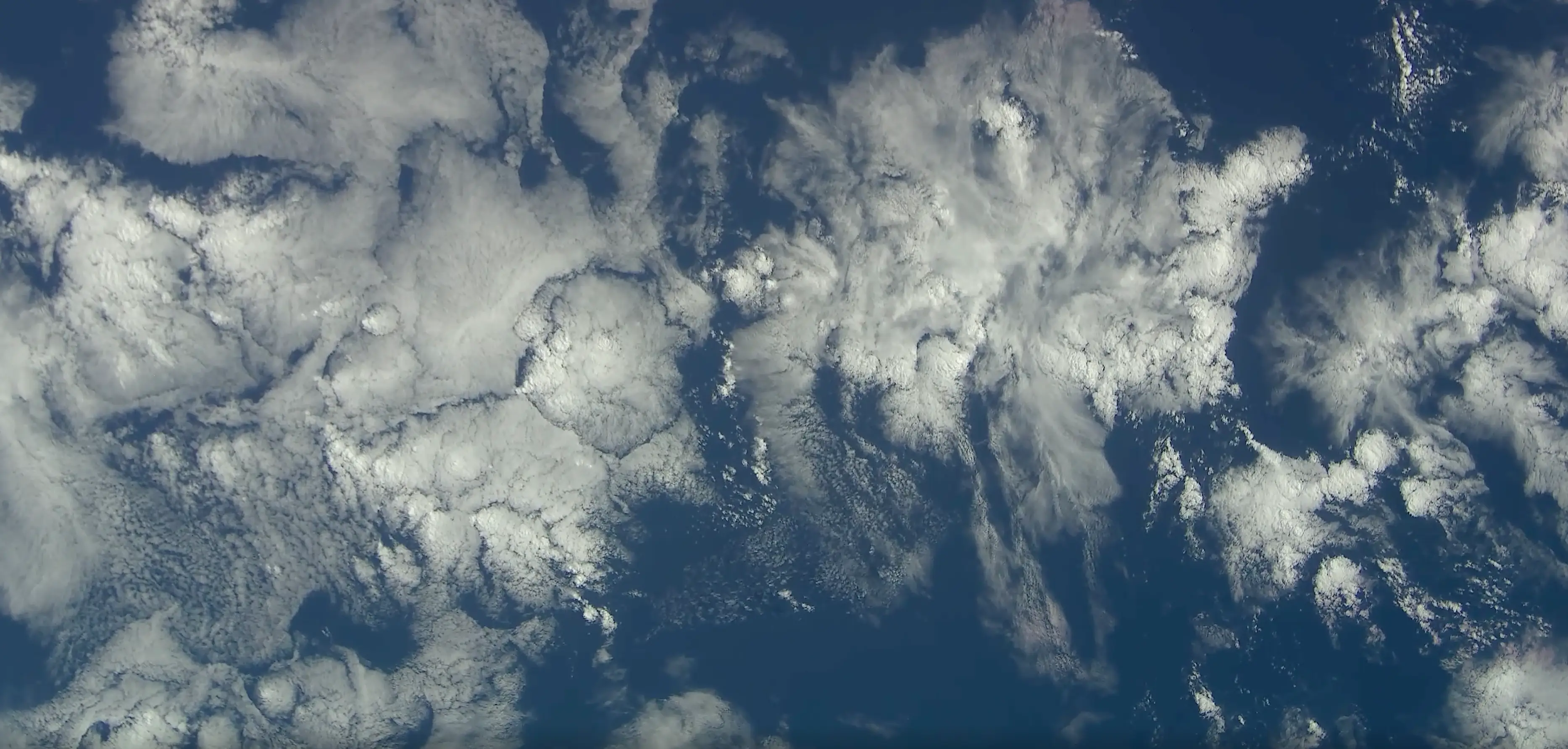
Already, the camera had captured remarkable images of a solar eclipse and a monstrous hurricane.
Last April, people tuned into the livestream to watch the shadow of the Moon passing across Earth as it temporarily blocked out the Sun.
Meanwhile in October, the public could bear witness to the terrifying swirling clouds of Hurricane Milton as it made its way towards Florida from the ocean.
These cameras stream footage from space live to Earth for more than 20 hours per day, with only a few hours of downtime due to brief signal losses between satellites.
Sen was founded in 2014 by Charles Black with the goal of 'democratising' space through video.
The company wants to offer an unfiltered, unbiased view of Earth that the public can access anytime instead of having to rely on NASA, governments or wealthy figures providing first-hand footage.
This is perhaps also why the livestream is free to view for all users and is available on popular platforms such as YouTube as well as Sen's official website. And for those wanting to use the livestream for more than an occasional glance, the company offers subscription options for no ads, downloads and usage.
“The focus is on building that into a profitable livestream over the next year,” Black added.
Scientists are excited about the many possibilities this kind of technology could bring to future planetary research and real-time environmental monitoring. They hope to use the data from the livestream to track extreme weather events and patterns, and monitor climate changes as they unfold.