uniladtech homepage
  • News
    • Tech News
    • AI
  • Gadgets
    • Apple
    • iPhone
  • Gaming
    • Playstation
    • Xbox
  • Science
    • News
    • Space
  • Streaming
    • Netflix
  • Vehicles
    • Car News
  • Social Media
    • WhatsApp
    • YouTube
  • Advertise
  • Terms
  • Privacy & Cookies
  • LADbible Group
  • LADbible
  • UNILAD
  • SPORTbible
  • GAMINGbible
  • Tyla
  • FOODbible
  • License Our Content
  • About Us & Contact
  • Jobs
  • Latest
  • Topics A-Z
  • Authors
Facebook
Instagram
X
TikTok
Snapchat
WhatsApp
Submit Your Content
Two scientists achieved 'time travel' 53 years ago using Einstein's theory

Home> Science> News

Published 10:11 2 Apr 2025 GMT+1

Two scientists achieved 'time travel' 53 years ago using Einstein's theory

Time travel could already be possible

Rikki Loftus

Rikki Loftus

google discoverFollow us on Google Discover
Featured Image Credit: Universal/Getty Images
Science
Nasa
Space
Travel
News

Advert

Advert

Advert

Two scientists apparently already achieved ‘time travel’ 53 years ago using Albert Einstein’s theory.

It’s something that has captured the imagination of many sci-fi films and pop culture moments.

But the idea of time travel has always seemed like something completely fictional.
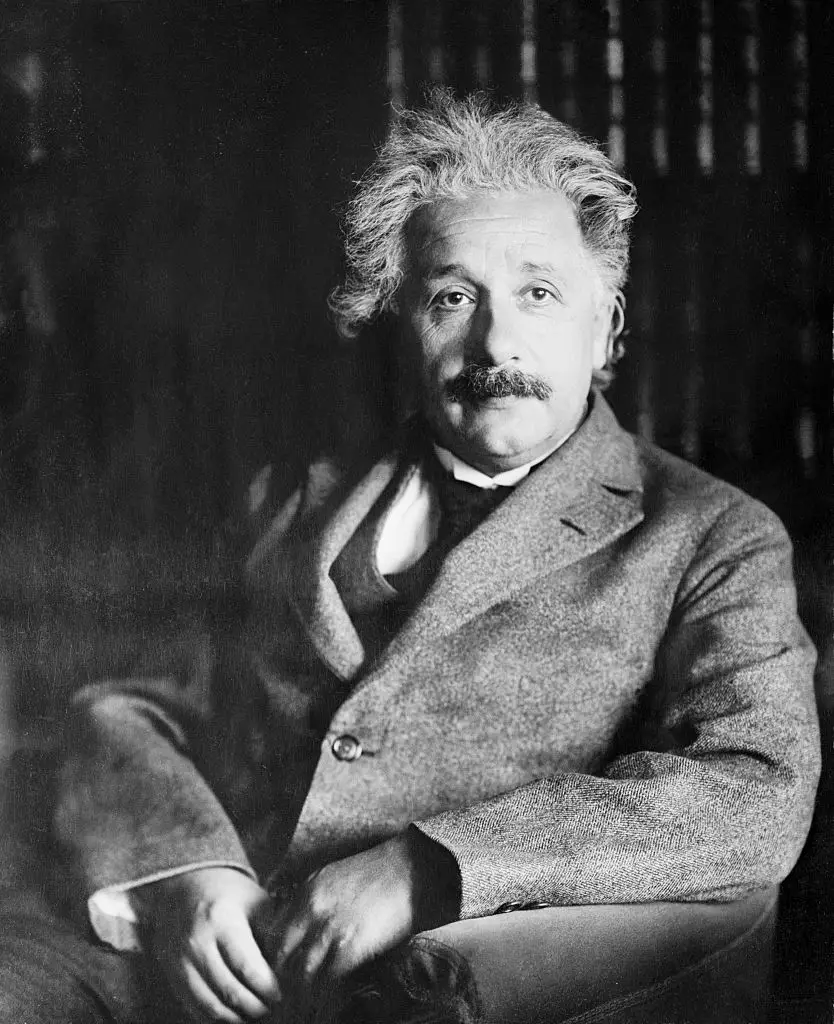
The theory of time travel dates back to Einstein's theory (Bettmann/Getty Images)

Advert

However, that could all have changed after scientists revealed that they believe it might be theoretically possible after all.

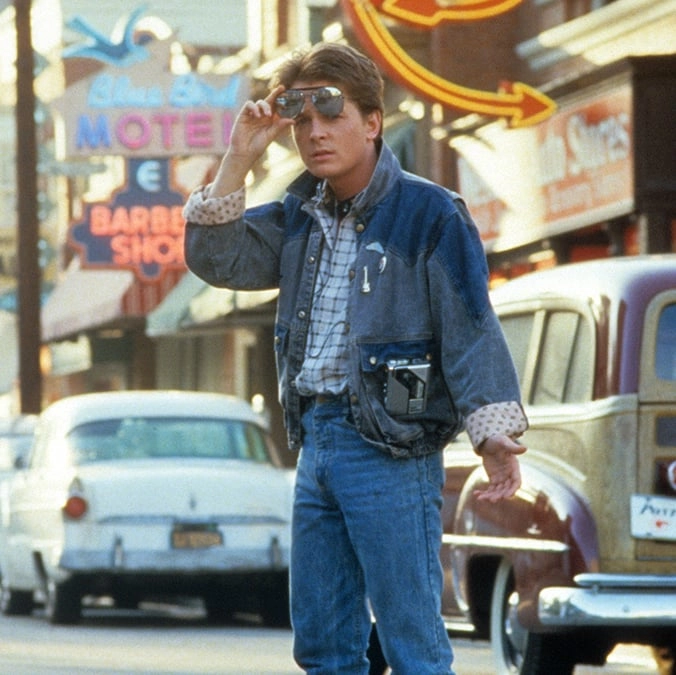
That being said, it might be best to hold off on packing your bags just yet - as it’s not quite as exciting as the likes of Back to the Future and Interstellar.

In reality, it’s much less adventure and much more theoretical physics.

According to NASA, everyone on Earth is currently traveling ‘in time’, which is at a rate of one second per second.

Therefore, if someone was able to travel faster than that speed of time, they’d technically be a time traveler.

And this theory is dated all the way back to Einstein’s formulation of special relativity in 1905.

An extremely simplified (and we really do mean extremely simplified) version of Einstein’s argument states the speed in which time passes depends on both your surroundings and the speed you're travelling at, with the faster you travel, the slower you experience time.
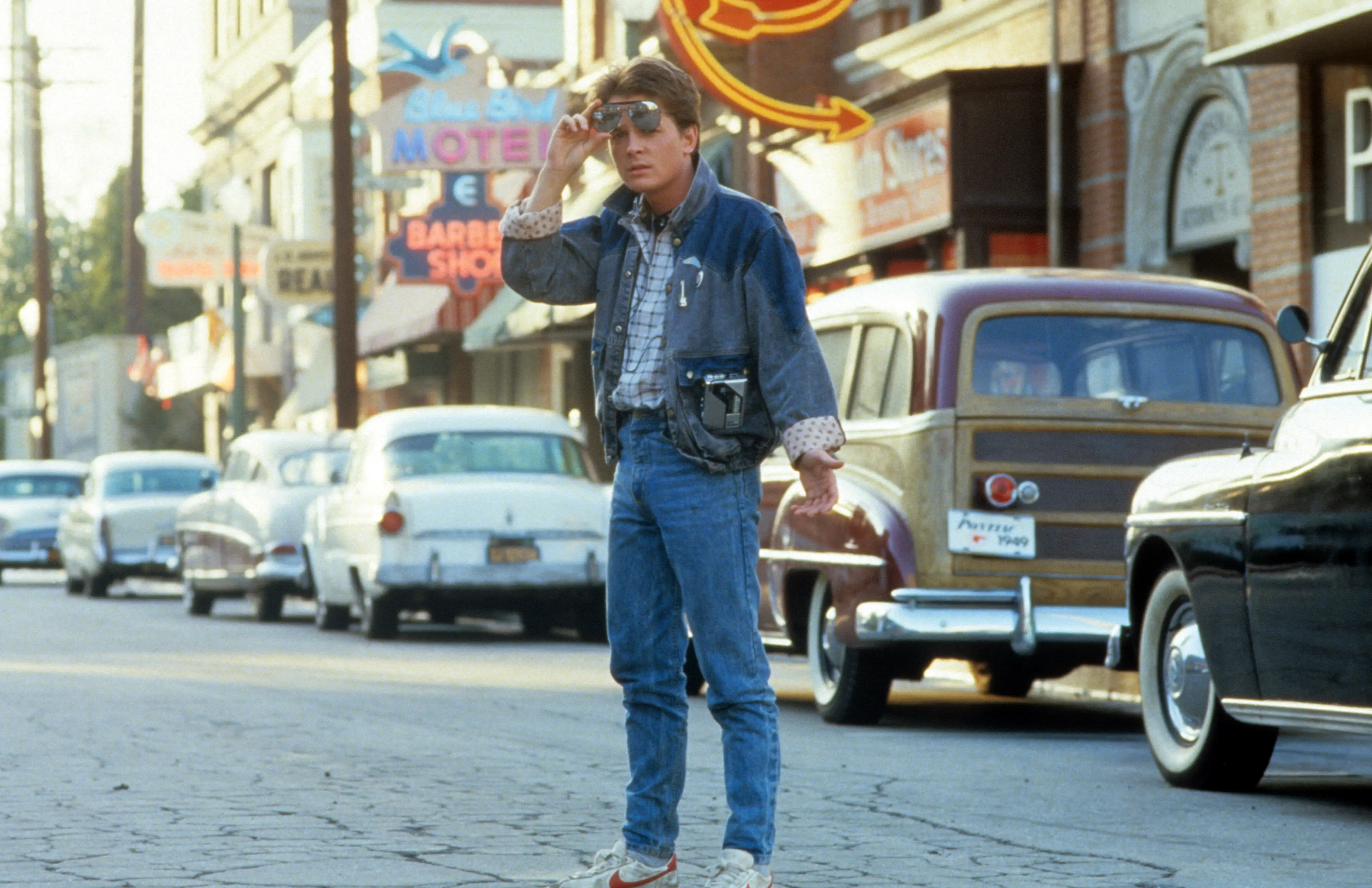
Time travel isn't quite like the movies (Universal/Getty Images)

This theory would later be tested by scientists Joseph Hafele and Richard Keating, who looked for a way to prove that time dilation - a difference in elapsed time on two different clocks - in 1971.

In order to conduct the experiment, the pair loaded four ultra-precise atomic clocks onto two different aeroplanes flying in different directions.

The clocks were then compared to another one on the ground, with those onboard the flight going against the Earth's rotation losing about 59 nanoseconds of time compared to the clocks on Earth.

Meanwhile, the clocks onboard the flight travelling with the Earth’s rotation were moving quicker than both, gaining around 273 nanoseconds, meaning they essentially experienced time travel.

This theory can also be applied to astronauts who spend extended periods of time onboard the International Space Station, with US astronaut Scott Kelly returning to Earth slightly younger than his twin Mark due to the speed at which he was moving in orbit.

It’s not quite a DeLorean reaching 88mph and blasting off to a different time but look, we did warn you that real life time travel wouldn't be as exciting as it films in film and TV.

Choose your content:

a day ago
  • NurPhoto / Contributor / Getty
    a day ago

    How to watch NASA's historic Artemis 2 mission as astronauts head for the Moon for first time in decades

    You can follow every moment in real time

    Science
  • boonchai wedmakawand / Getty
    a day ago

    Implementing these small lifestyle habits can seriously reduce risk of heart attack and stroke

    Small changes can make a big difference

    Science
  • SCIEPRO/SCIENCE PHOTO LIBRARY / Getty
    a day ago

    Scientists discover bizarre thing that happens to semen in space

    Humanity's future beyond Earth might be compromised

    Science
  • Scott Olson/Getty Images
    a day ago

    Drug prescribed to millions over decades revealed to have unexpected impact on the brain

    It is prescribed to over 120 million people worldwide

    Science
  • How to watch NASA's historic Artemis 2 mission as astronauts head for the Moon for first time in decades
  • How asteroid worth $10,000,000,000,000,000,000 discovered 173 years ago could make everyone on Earth a billionaire
  • NASA officially sets date for when humans will return to the Moon for the first time in 53 years
  • Conspiracy theory resurfaces over what NASA discovered on the Moon 57 years ago as Artemis II faces fresh delay