• News
    • Tech News
    • AI
  • Gadgets
    • Apple
    • iPhone
  • Gaming
    • Playstation
    • Xbox
  • Science
    • News
    • Space
  • Streaming
    • Netflix
  • Vehicles
    • Car News
  • Social Media
    • WhatsApp
    • YouTube
  • Advertise
  • Terms
  • Privacy & Cookies
  • LADbible Group
  • LADbible
  • UNILAD
  • SPORTbible
  • GAMINGbible
  • Tyla
  • FOODbible
  • License Our Content
  • About Us & Contact
  • Jobs
  • Latest
  • Topics A-Z
  • Authors
Facebook
Instagram
X
TikTok
Snapchat
WhatsApp
Submit Your Content
1,400,000,000-year-old discovery changes scientists' understanding of Earth's geological history

Home> Science> News

Published 15:29 5 Aug 2024 GMT+1

1,400,000,000-year-old discovery changes scientists' understanding of Earth's geological history

A new discovery has unlocked more secrets buried deep within the Earth's crust

Rikki Loftus

Rikki Loftus

google discoverFollow us on Google Discover

A discovery dating back to 1,400,000,000 years ago has completely changed scientists’ understanding of the Earth’s geographical history.

Researchers have unlocked more secrets from the past after a new find has changed everything we thought we knew about the Earth’s history.

It has been uncovered that the world’s largest iron ore deposits, which form part of the Earth’s crust, formed significantly later than previously thought.
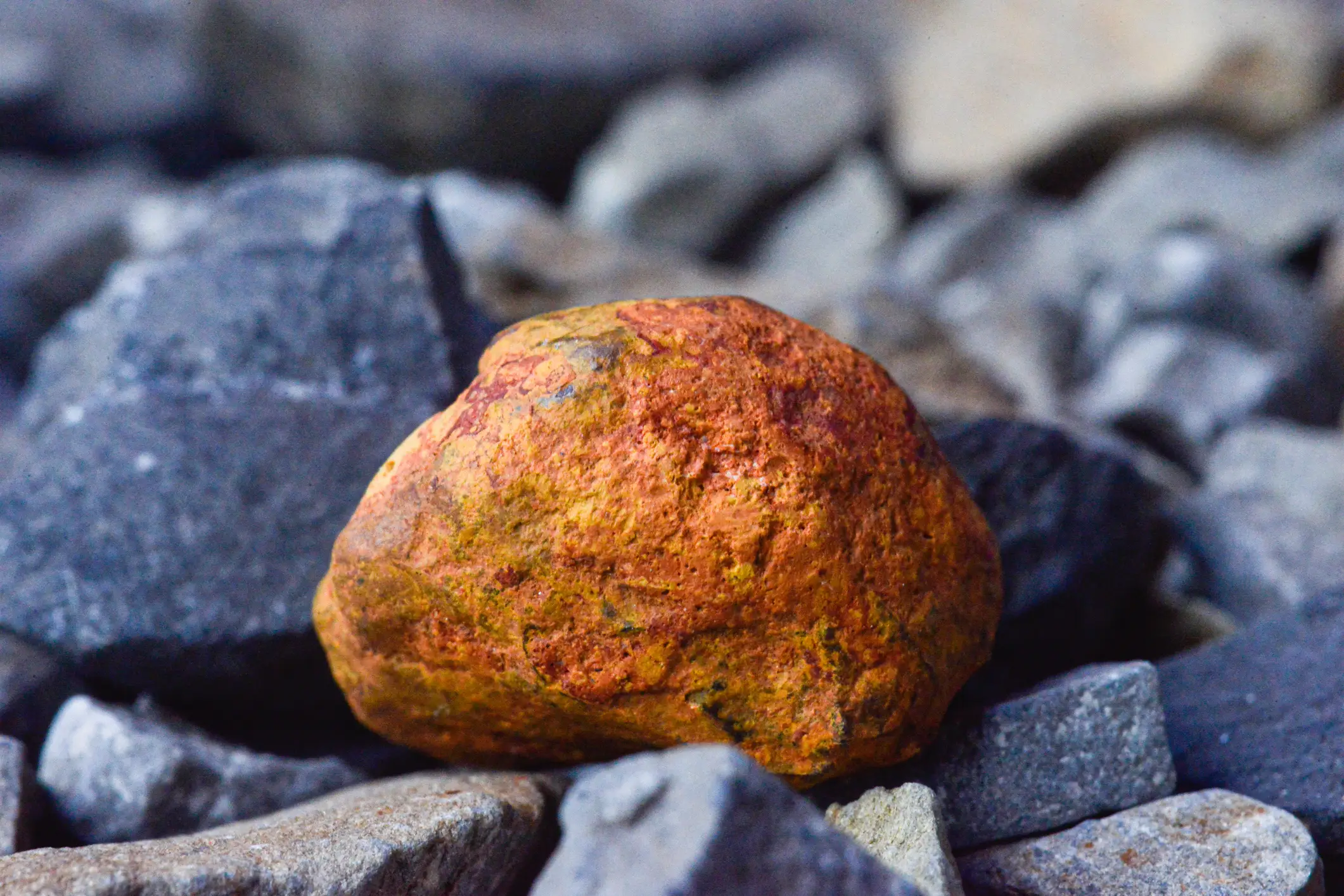
The iron ore deposits were found in Western Australia (Lucas Ninno/Getty)

Advert

These deposits are located in the Hamersley Province of Western Australia and were formed between 1.4 to 1.1 billion years ago.

It forms one of two pieces of crust that are part of Archaean Eon, which dates back to 3.8 billion to 2.5 billion years ago.

The second piece is located in southern Africa.

A new study has now found that the formation process of the deposits was actually triggered by a breakup of the supercontinent Columbia.

The supercontinent is thought to have existed around 2,500 to 1,500 million years ago and it’s thought that when it broke up, it released mineral-rich fluids which would have been vital for the creation of iron ore deposits.
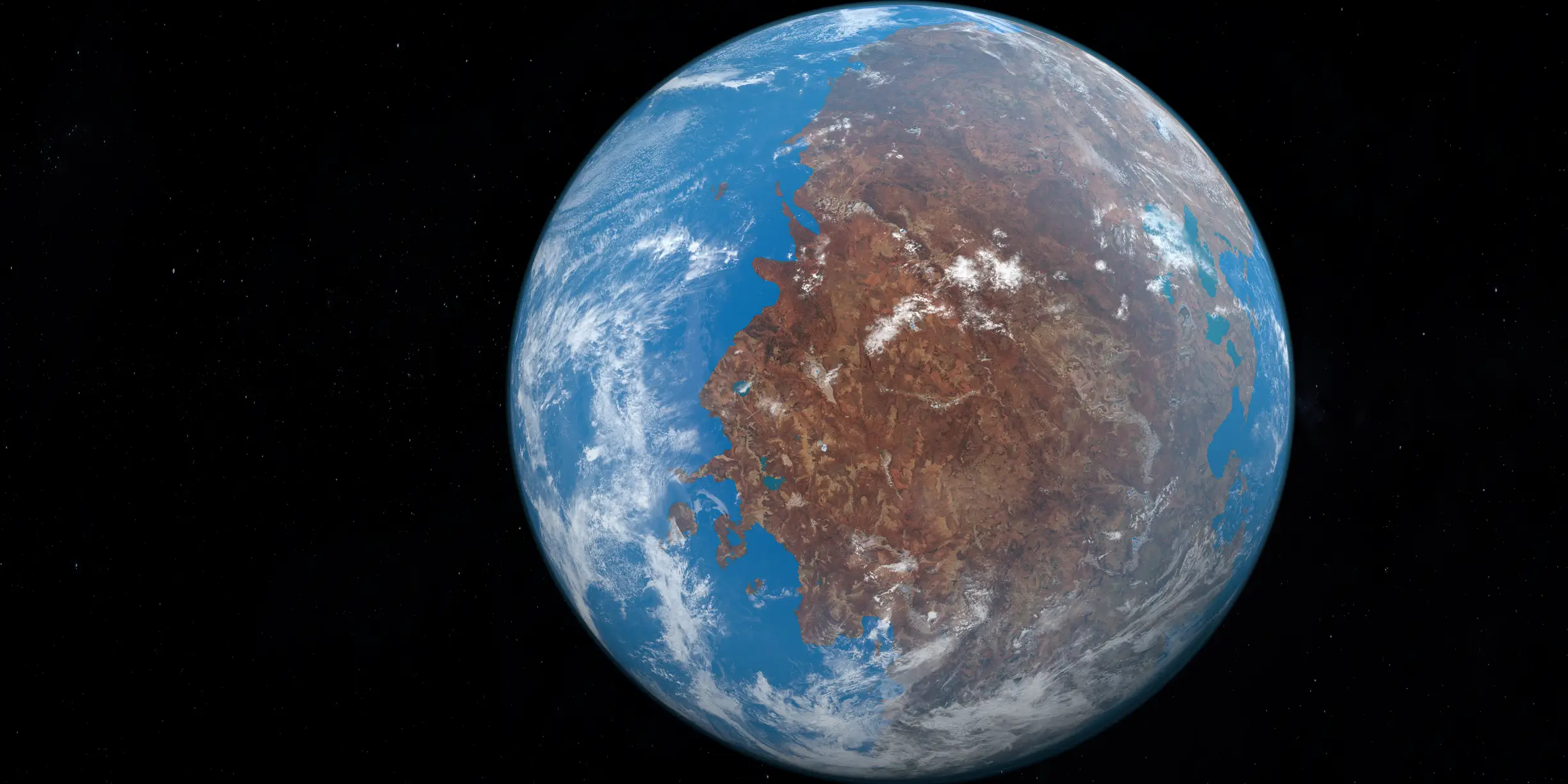
The Earth has gone through stages of different supercontinents (Ianm35/Getty)

In a statement, the study's lead author Liam Courtney-Davis, a geochronologist and postdoctoral associate at the University of Colorado, Boulder, said in a statement: “The energy from this epic geological activity likely triggered the production of billions of tons of iron-rich rock across the Pilbara.”

Linking the deposit formation to the break of the supercontinent has shed some new light on the geological history of the Earth.

This insight will arm scientists with more knowledge and could help with future exploration under the Earth’s surface.

The iron ore created after the break up of Columbia is an essential part of steel production, which supports other industries around the world.
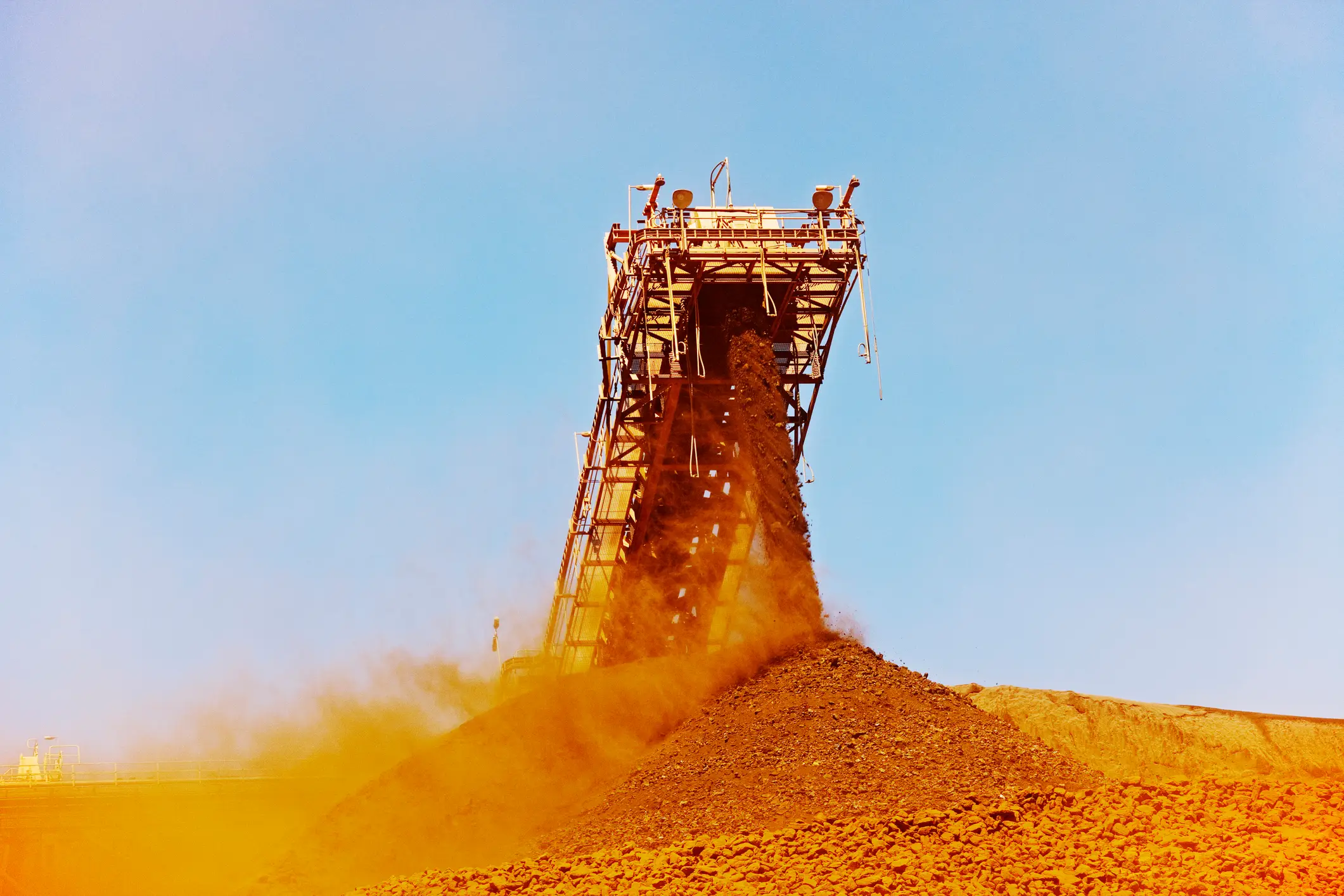
The discovery has changed what scientists thought they knew about Earth's geological history (John W. Banagan/Getty)

Courtney-Davis went on to add: “The discovery of a link between these giant iron ore deposits and changes in supercontinent cycles enhance our understanding of ancient geological processes and improves our ability to predict where we should explore in the future.”

This means that the information learnt from the study of the deposits could help geologists in the future to predict where other mineral deposits might be uncovered.

As a result, this could lead to more sustainable mining practices and more efficient methods of extracting these minerals moving forward.

Scientists are particularly excited about this find as they believe it will highlight the importance of tectonic movements in forming mineral deposits.

Featured Image Credit: Lucas Ninno/Ianm35/Getty
Science
News
Discovery

Advert

Advert

Advert

Choose your content:

9 hours ago
a day ago
2 days ago
  • supplied via Tyla
    9 hours ago

    How woman born without a vagina discovered her condition at age 16

    Only 1 in 5,000 women are affected

    Science
  • Oleg Breslavtsev/Getty Images
    a day ago

    Getting exactly seven hours and 18 minutes sleep a night 'prevents' these 'two major health conditions'

    Too much sleep can be just as bad for your health as not getting enough, according to experts

    Science
  • Andrew Francis Wallace/Toronto Star via Getty Images
    2 days ago

    'Boil in the bag' funerals where liquified bodies are flushed down a drain come to major western country

    It's an alternative form of cremation

    Science
  • wildpixel / Getty
    2 days ago

    Scientists warn men are losing their Y chromosomes and it could turn deadly

    The risk appears to increase with age

    Science
  • Scientists make shocking discovery that changes everything we thought we knew about Mars
  • Scientists make astonishing discovery inside the womb of 1,200-year-old 'alien' corpse
  • 1,400,000,000-year-old discovery changes scientists' understanding of Earth's geological history
  • Ancient 5,500-year-old discovery confirms key part of the Bible to be 'true'