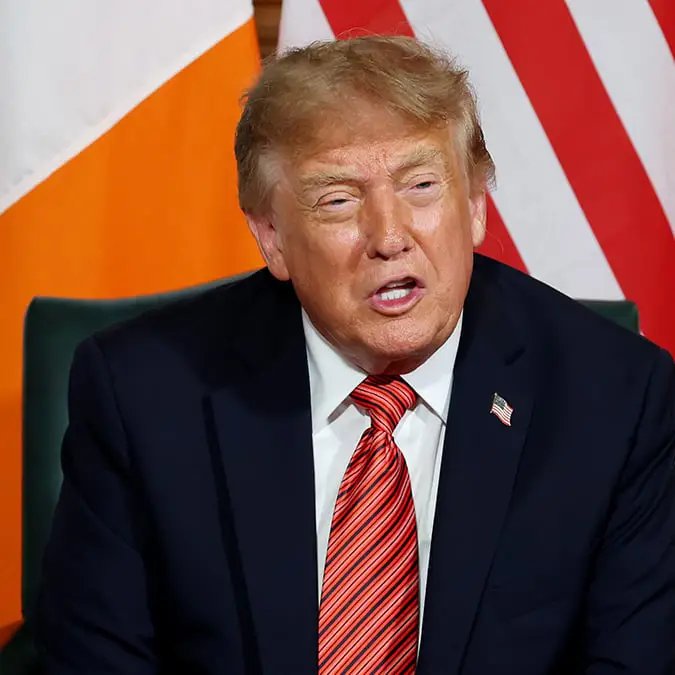
White House warns of $8T crypto shock as Trump agrees to new ethics rules


President Donald Trump has agreed to tougher restrictions on his personal cryptocurrency interests as the $2.3 trillion industry faces a major Senate vote.
This comes as a crypto bill is set to be voted on which aims to establish clearer rules for the industry and bring digital assets further into the US financial system.
However, lawmakers also want its ethics rules to apply to Trump himself, who has already made cryptocurrency a significant part of his business empire.
The Trump family has been involved in several crypto ventures, while the president and first lady Melania Trump have both launched their own meme coins.
Advert
Now, senators negotiating on the legislation want to make sure the president can’t use his position in the White House to personally benefit from the rules being created for the industry.
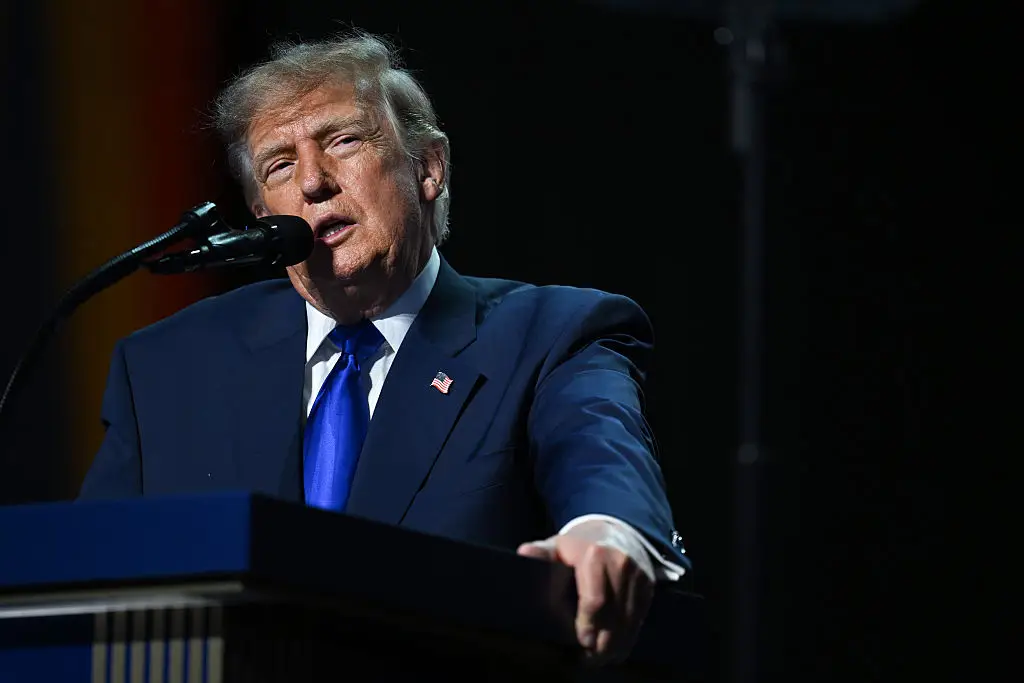
The first proposed restriction would prevent federally elected officials, their spouses and federal judges from creating or issuing digital assets.
Speaking to The Associated Press, Senator Cynthia Lummis, R-Wyo., who is the lead author of the crypto bill, said: “A vote against the Clarity Act isn’t a principled stand against President Trump. It’s a vote against implementing tough restrictions on politicians for crypto investments.”
Meanwhile, Democratic Senator Ruben Gallego and Republican Senator Thom Tillis have also pushed for Trump to be required to place significant cryptocurrency holdings into a blind trust.
Initial concerns were raised by the White House, which warned about giving state attorneys general the power to enforce this law, but despite this, Trump has agreed to a version of the proposal, with an updated version requiring officials to either sell or place in a blind trust any significant financial interest in a company that issues cryptocurrency.
This is an interesting move for Trump as he has used crypto as a substantial source of personal wealth in recent years.
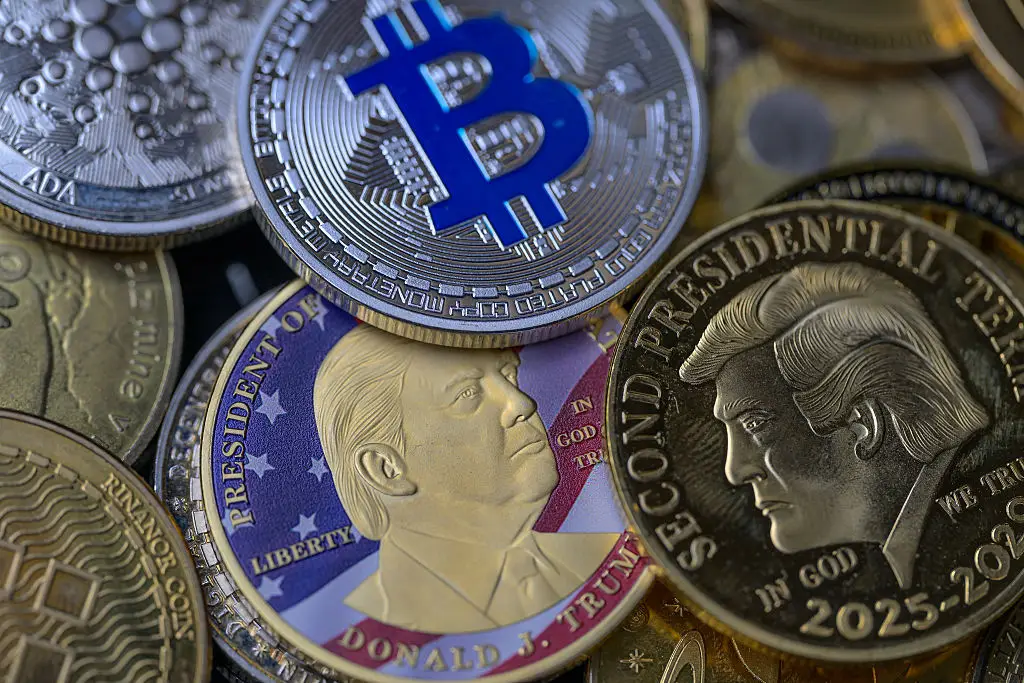
The president reported over $500 million in revenue from World Liberty Financial, which is the crypto company launched by his sons, through sales of digital assets including governance tokens, while his wider crypto businesses reportedly made more than $1.4 billion in revenue just last year alone.
Despite his success in crypto, Trump wasn’t always a huge fan and, in his first term in office, he described Bitcoin and other digital currencies as being highly volatile and based on nothing.
But this all seems to have changed, as crypto has also become an important source of political funding.
If the bill passes, it could mean that the expanding crypto market will have a much clearer legal framework.