uniladtech homepage
  • News
    • Tech News
    • AI
  • Gadgets
    • Apple
    • iPhone
  • Gaming
    • Playstation
    • Xbox
  • Science
    • News
    • Space
  • Streaming
    • Netflix
  • Vehicles
    • Car News
  • Social Media
    • WhatsApp
    • YouTube
  • Advertise
  • Terms
  • Privacy & Cookies
  • LADbible Group
  • LADbible
  • UNILAD
  • SPORTbible
  • GAMINGbible
  • Tyla
  • FOODbible
  • License Our Content
  • About Us & Contact
  • Jobs
  • Latest
  • Archive
  • Topics A-Z
  • Authors
Facebook
Instagram
X
TikTok
Snapchat
WhatsApp
Submit Your Content
Google reveals ‘red bar’ sign that someone has hacked your account

Home>News>Tech News
Published 17:10 24 Jun 2024 GMT+1

Google reveals ‘red bar’ sign that someone has hacked your account

Leaked data is shared on the dark web.

Rikki Loftus

Rikki Loftus

google discoverFollow us on Google Discover
Featured Image Credit: boonchai wedmakawand/Budrul Chukrut/SOPA Images/LightRocket via Getty Images
Google
Cybersecurity
Tech News
News

Advert

Advert

Advert

Google has released a list of ways that you can tell if your account has been hacked.

The tech giant is helping users who think that someone could have logged into their account and has offered some tips on what to do if it’s happened to you.

Many people use the company’s online Help Center when they think their security has been compromised.

Google revealed the biggest sign to look out for that someone has accessed your account (boonchai wedmakawand/Getty)

Advert

Usually the first warning sign will be a notification from Google to alert you that there’s been an unusual sign-in, changes to your information or settings, or a new device that has logged into your account.

But the firm has now shared that the biggest sign to look out for is a red bar at the top of your screen.

The bar shares a message that reads, ‘We’ve detected suspicious activity in your account’.

Other signs include changes to recovery phone numbers or email addresses - Google advises immediately correcting anything unfamiliar that has been added or changed.

They say you should also be proactive in noticing changes to your account information that you don’t remember authorizing.

The tech giant is giving users tips to make their accounts more secure (Budrul Chukrut/SOPA Images/LightRocket via Getty Images)

Two-step verification methods - which requires using two different ways of proving your identity, including email addresses and phone numbers - are a great way to combat hackers.

However, if you’re not vigilant about changes made to your security settings, you could end up getting locked out of your account by someone who has hacked in.

Google also encourages users to understand how their data is stored and shared.

There are times when hackers are able to correctly guess passwords to gain account access but it’s also possible that personal information is readily available for them online.

Companies like banks and telecommunications keep your information in digital databases which can be hacked into.
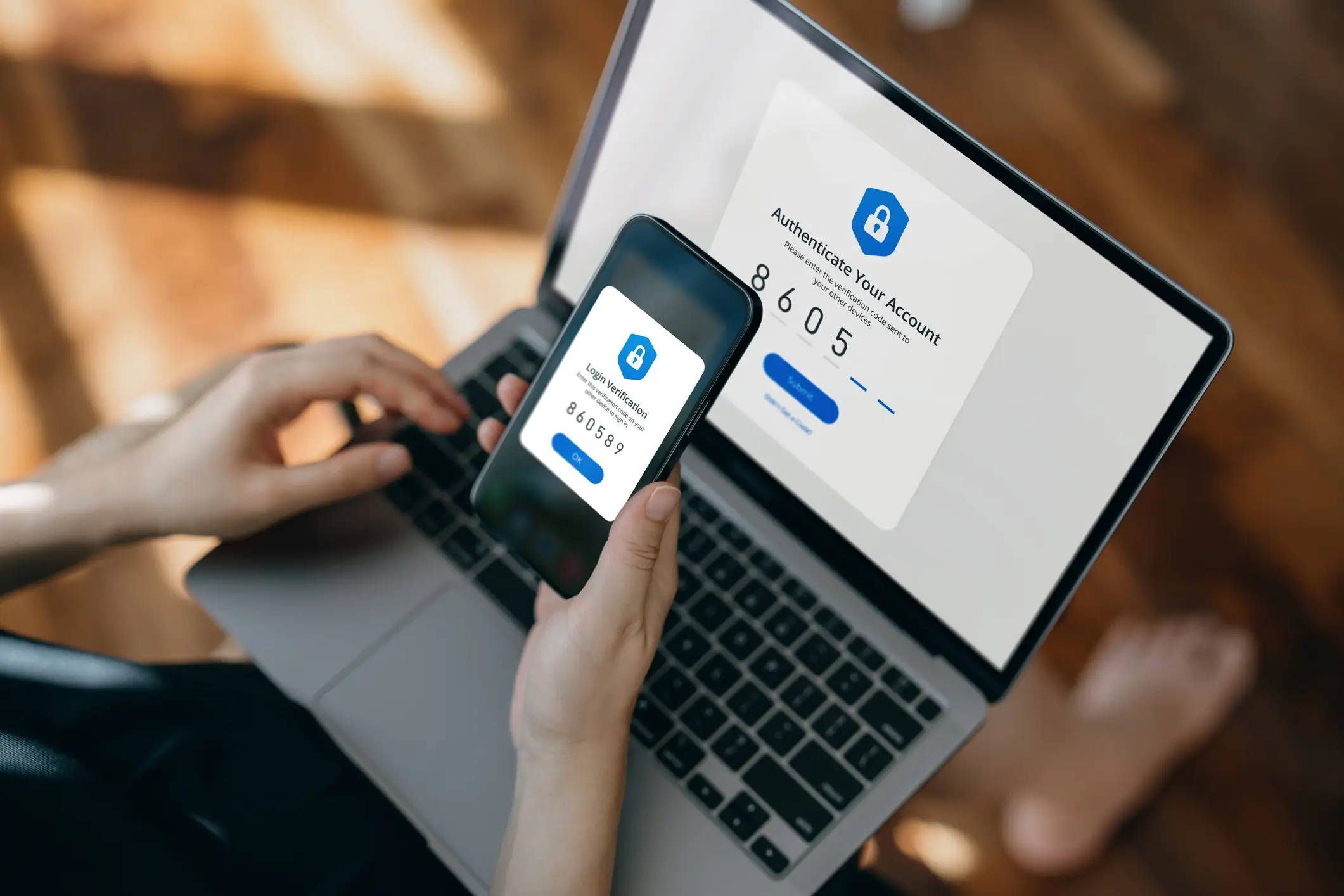
These tips could improve your understanding of cybersecurity (d3sign/Getty)

Leaked information is usually shared on the dark web and you may not be aware it has happened to you until it’s too late.

One way to prevent people from getting into your account is by using a strong password - Google recommends one that is at least 12 characters long, using a combination of letters, numbers, and symbols.

Anything that includes names, birthdays and other personal information is easy to guess so keep it random and never use the same password for more than one website.

If you want to check which devices are logged into your account, you can view them in the ‘Security’ section of your Google account.

It will give you a list of options and if you select ‘Your devices’, followed by ‘Manage devices’, you’ll be able to see all of the devices that are currently signed in.

Removing a device can be done by clicking on the three dots at the top right corner.

If you’re unsure whether your account has been breached, one handy website is haveibeenpwned.com.

Choose your content:

15 hours ago
16 hours ago
17 hours ago
  • NASA / Goddard / SDO
    15 hours ago

    When the Earth could be completely obliterated by the Sun revealed by scientists in new research

    Baba Vanga didn't see this one coming

    Science
  • NurPhoto / Contributor via Getty
    16 hours ago

    Ivy League professor caught massive AI cheating scandal after ChatGPT left a weird 'fingerprint' on exams

    The class average plunged after the final moved back into the classroom

    News
  • Daniel Balakov / Getty
    16 hours ago

    Scientists make groundbreaking discovery about Alzheimers that could change how we treat

    It relates to how the cognitive disease spreads

    Science
  • Peter Cade / Getty
    17 hours ago

    CDC releases map of exactly which states 'explosive diarrhea' outbreak is hitting most

    It has disproportionately impacted the east of the United States

    Science
  • Google confirms exact date it will start blocking 'unverified' Android apps
  • Why you should always assume you will be hacked according to security expert
  • Google testing new 'Gmail Live' feature that lets users search their inbox using voice commands
  • Why your boss might soon track the rogue autonomous AI tools running on your laptop