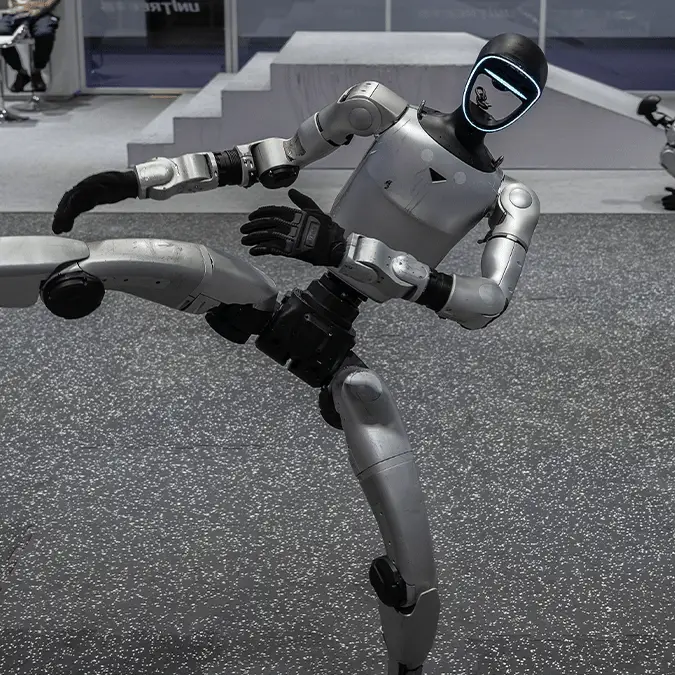
Top AI scientists now need government permission just to go on vacation from China


China has implemented new travel rules for its leading AI scientists in a bid to protect its technological secrets, stopping them from leaving the country without explicit permission from the government.
There's no denying the dominant position that AI currently possesses in global politics, with many of the world's most powerful nations wanting to emerge on top of the rapidly evolving technology as they believe it will allow them to 'win'.
It's why US President Donald Trump has remained firm against demands from America's leading development labs as they call for regulation and slowed-down development, and it looks like China doesn't want progress to be impeded either.
Following a new set of entry-exit rules implemented by the Chinese government, as per DW, engineers, founders, and other AI specialists are now restricted when it comes to their travel activity, as the information these scientists posses could pose a threat to national security.
Why have AI scientists been banned from traveling abroad?
Information is the true modern currency in a global market increasingly dominated by tech evolutions, and letting another nation or company gain even the slightest upper hand could be catastrophic as a result.
Advert
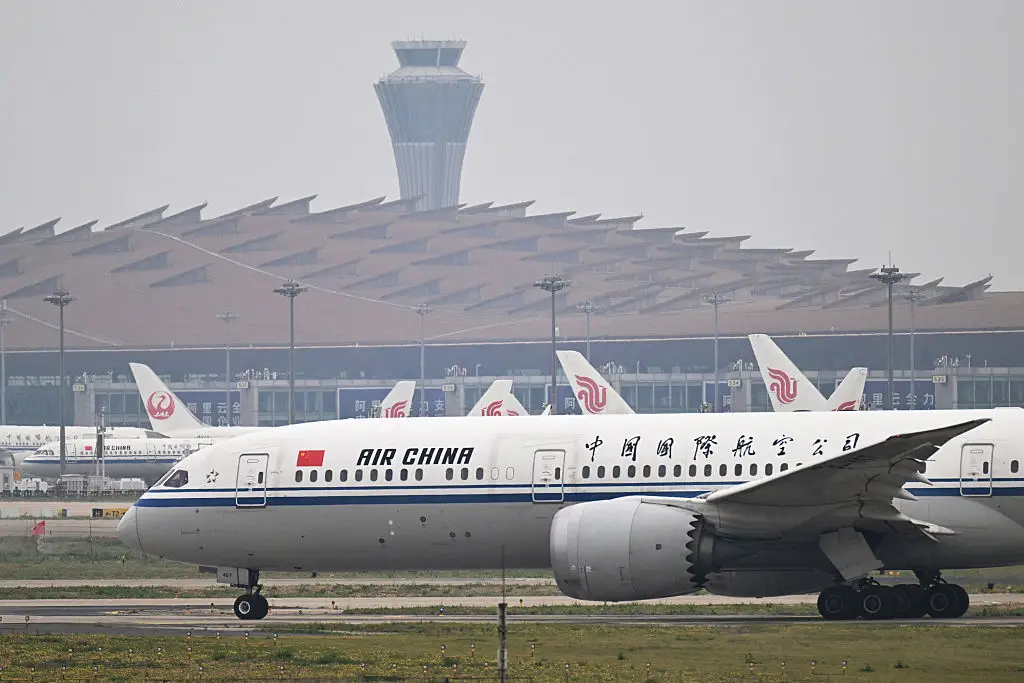
While there's nothing necessarily sinister or concerning about AI experts traveling abroad from China, the knowledge that they hold could make them a clear target in a risk that China appears unwilling to deal with, leading to these harsh restrictions being put in place.
Chinese nationals have already faced laws that prevent their wealth being held offshore, and companies can also no longer post their staff in another country, but these new rules appear to be a desperate bid to protect China's tech secrets at all costs.
Anyone with an expertise in batteries, rare-earth materials, or AI has been deemed to be a threat to "industrial and technological security," whether they're aware of it or not, prompting some founders to leave the country preemptively.
How does this reflect the state of China's economy?
What some have taken this to be a reflection of, however, is the 'weakened' state of China's economy relative to some other leading global powers, as the cost of potentially losing key tech secrets would be greater.
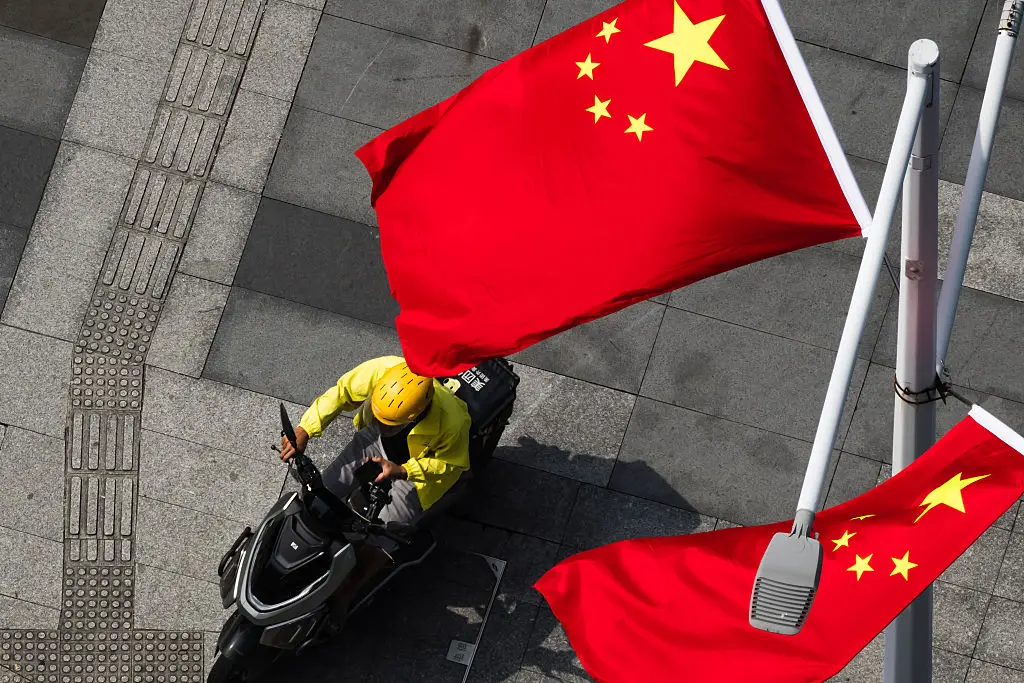
These restrictions "offer a rare glimpse into the true state of China's economy" according to Henry Gao, a professor of law at Singapore Management University, who added that the nation's capital is "deeply concerned about economic weakness and substantial capital outflows."
These measures are designed to stop "entrepreneurs and skilled personnel from leaving the country," thus strengthening China's economy as a result but potentially at a cost to weakened domestic consumption.