
PC users warned to brace as laptop prices are about the skyrocket


Now might be your last chance to buy a laptop at a reasonable price for a long time, as PC users have been told to brace for skyrocketing prices as the technology world experiences component shortages.
While they might be expensive compared to a lot of other gadgets, it's impressive quite how much power you can now squeeze into a laptop for a relatively 'low' price these days, especially when you consider what devices were like even a decade ago.
You don't need to opt for gaming-focused machines to get a pro-level device, but even in that subcategory we're seeing better performance than ever in surprisingly small packages.
That might all come crashing down thanks to the continued growth of artificial intelligence though, as the overwhelming demand has left key components in low supply for consumers, prompting the price to increase exponentially.
Advert
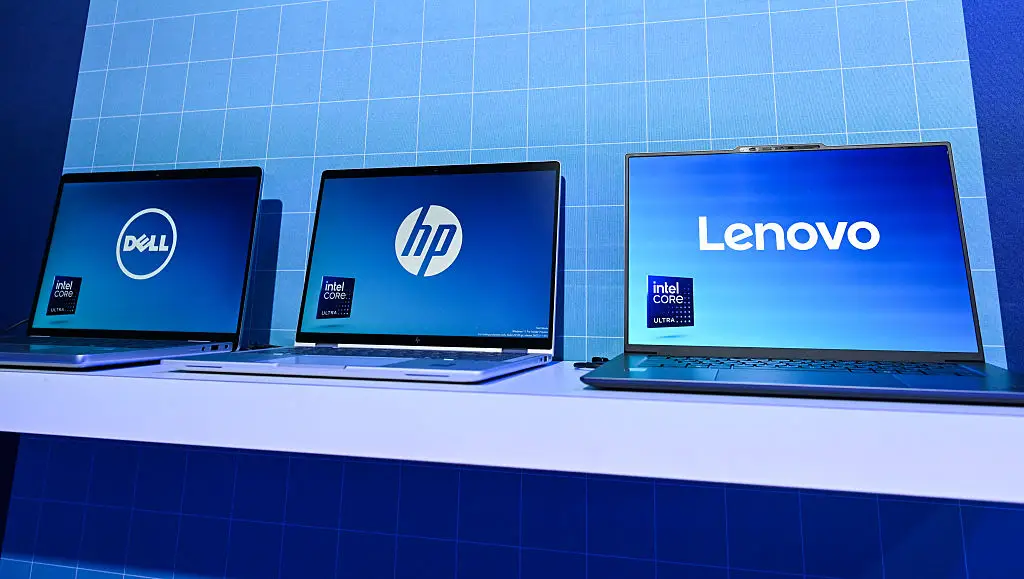
As reported by Gizmodo, most of the biggest laptop manufacturers are already planning price hikes to account for the increased cost of RAM and VRAM, with Lenovo in particular warning that its current prices will expire when the new year rolls in.
This won't be anything new for PC enthusiasts either, as RAM prices have increased by at least 300 percent across the board, leaving it extremely challenging to build your own rig.
Many have wondered whether pre-built desktops or laptops could be a good alternative, but it appears as if that option will soon cease to exist from an affordability perspective, all so that the biggest companies can keep up with the never demand for AI.
Dell, another major laptop manufacturer, is set to increase its prices from the middle of this month by around 15 to 20 percent, and another giant in HP will see similar value bumps in the second half of next year.
This could likely not only affect the cost of many laptops and even smartphones, but also the components that are available inside of them. It has become the standard over the last several years for 16GB of RAM to be the standard in all laptops and smartphones, yet that could soon be decreased to 8GB and even 4GB in some cases, degrading the consumer experience.
There were certain leaks earlier this week that suggested Samsung would be phasing out its SATA SSD production for consumers in connection with growing AI demand, but the South Korean company has thankfully clarified that these rumors are false, as per PC Mag.
However, that still won't help the fact that most forms of consumer computing are going to become more expensive, if not unaffordable in the near future, so now might be your last chance to strike if you've been eyeing a particular laptop or computer.