YouTuber tested phone chargers over two years to uncover if fast-charging is really killing your battery


A common question smartphone users have started to ask in recent years is whether fast charging ruins the phone’s battery over time.
Smartphones have become indispensable. In fact, you’re probably reading this article on your phone, possibly with multiple tabs open, music playing, and other apps running in the background. All of this drains your battery, and depending on the health of your phone’s battery, it could run out sooner rather than later.
Because smartphones play such an important role in our lives, there is a constant demand for faster charging. Fast charging is a technology designed to recharge a smartphone or device much more quickly than traditional charging.
But as fast-charging technologies have evolved, so have concerns about their impact on battery longevity. Many users wonder: does topping up your phone in 30 minutes instead of two really wear down the battery faster?
Advert
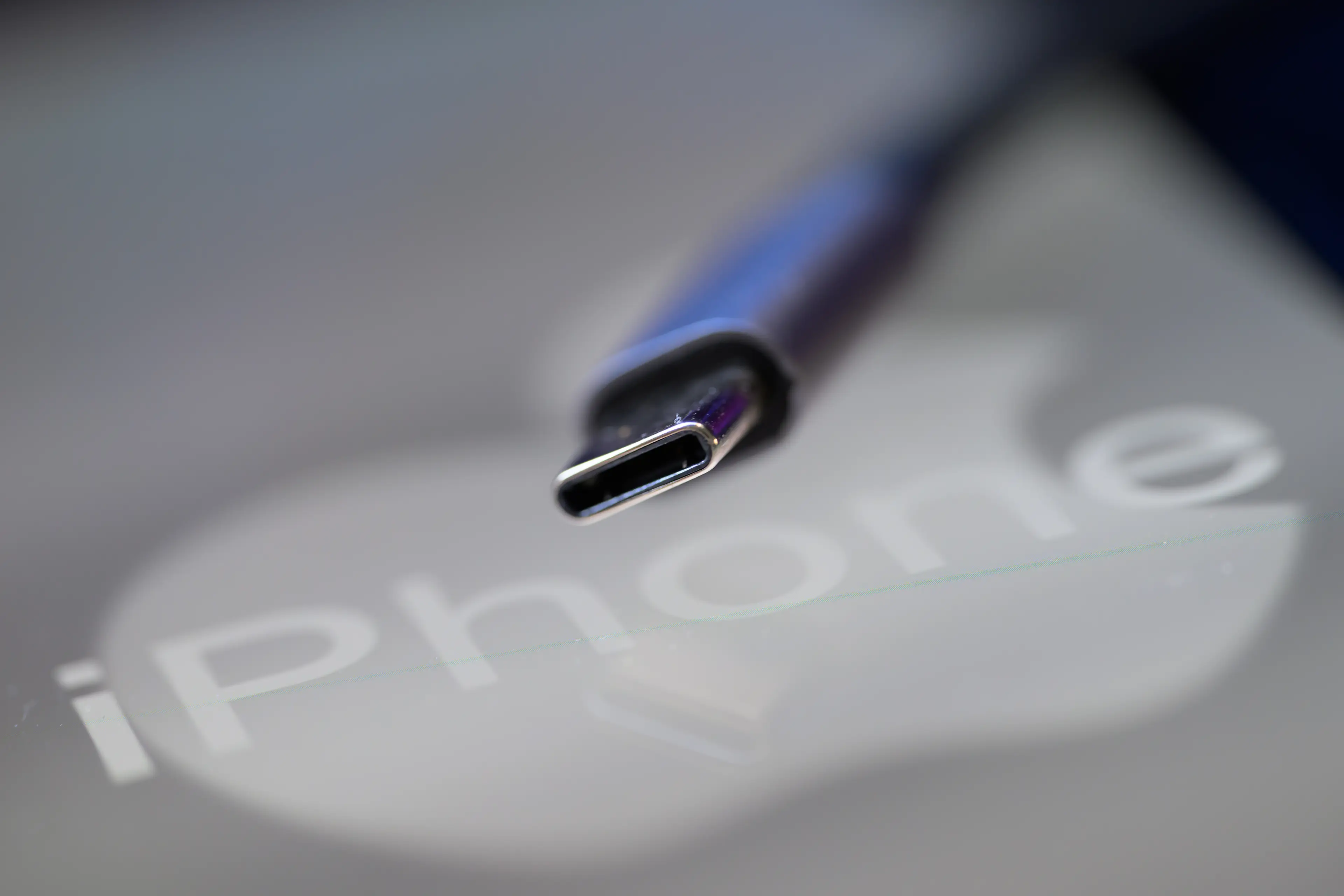
This theory was put to the test in a recent long-term experiment conducted by the YouTube channel HTX Studio. They set out to discover whether fast charging really depletes smartphone batteries over time, however the findings might actually come as a surprise.
Over six months, the team ran a controlled study on 20 smartphones: ten iPhone 12 devices running iOS and ten Vivo iQOO 7 phones on Android. Each set was divided into groups — some charged as fast as possible, others with standard chargers, and a third group charged only between 30% and 80%. One phone in each group was never charged, serving as a control to track natural capacity loss over time.
The YouTubers ensured that each phone went through 500 full charging cycles. An app drained the battery to 5% and then triggered the charger to bring it back to 100%. The partial-charge group stayed within the 30%–80% range for each cycle. After six months of continuous testing, HTX Studio measured the remaining battery health of every device.
The results suggest that while fast charging does have some impact on battery health, the wear is far less significant than what you may think. Phones that were fast-charged showed almost the same wear as those charged slowly, with less than a 1% difference in battery capacity — well within normal variation. In short, modern smartphones are designed to handle fast charging without significant long-term damage.
In other news, a woman conducted an experiment and published the findings on macRumors where she delved into what happens if you never charge your iPhone to 100%.
The iPhone user committed to charging her device to 80% for an entire year to see the effects.
In the piece, she wrote: “Since September 2024, my iPhone 16 Pro Max has been limited to an 80 percent charge, with no cheating. As of today, my battery's maximum capacity is at 94 percent with 299 charge cycles.
“With last year's test, I spent a lot of time with my battery below 20 percent. I saw some comments suggesting that draining it so low could also affect battery capacity over time, so this year, I tried hard to keep my battery between 20 and 80 percent. I wasn't always successful, but my iPhone 16 Pro Max was in that middle charge area most of the time.”
The woman went on to say that she believes her battery capacity is ‘about average’, having found that her previous experiment with her iPhone 15 Pro Max also left the device at 94% battery capacity after a year.
Apple has a list of tips on how to maintain battery health for its devices, including keeping software updated and enabling ‘low power mode’.