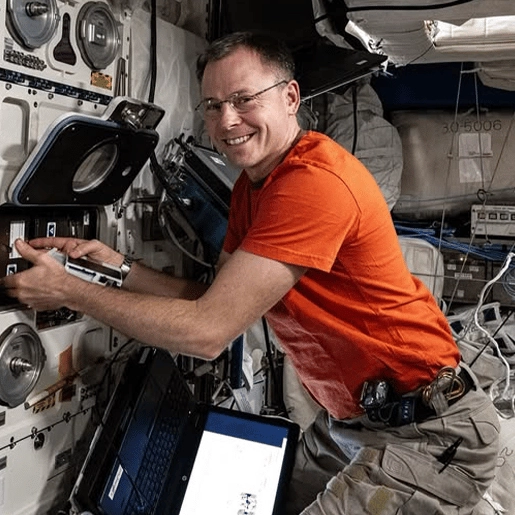
Jaw-dropping amount it costs to run the International Space Station as we approach its 'death dive'


While the International Space Station slowly approaches a 'death dive' that will take it out of action, NASA has to spend a staggering amount of money every single year to keep it up and running.
Launched all the way back in November 1998, the International Space Station - otherwise known as the ISS - has been one of the primary tools in NASA's continual space exploration efforts.
As reported by Space, over 258 individuals from 20 different countries have visited the ISS since its launch, with continuous occupancy ever since November 2, 2000, so it's certainly had its uses!
Most recently it's been the home to stranded astronauts Barry "Butch" Wilmore and Sunita "Suni" Williams, who have now been 'trapped' on the ISS since June 2024 in what was meant to be just an eight-day mission.
Advert
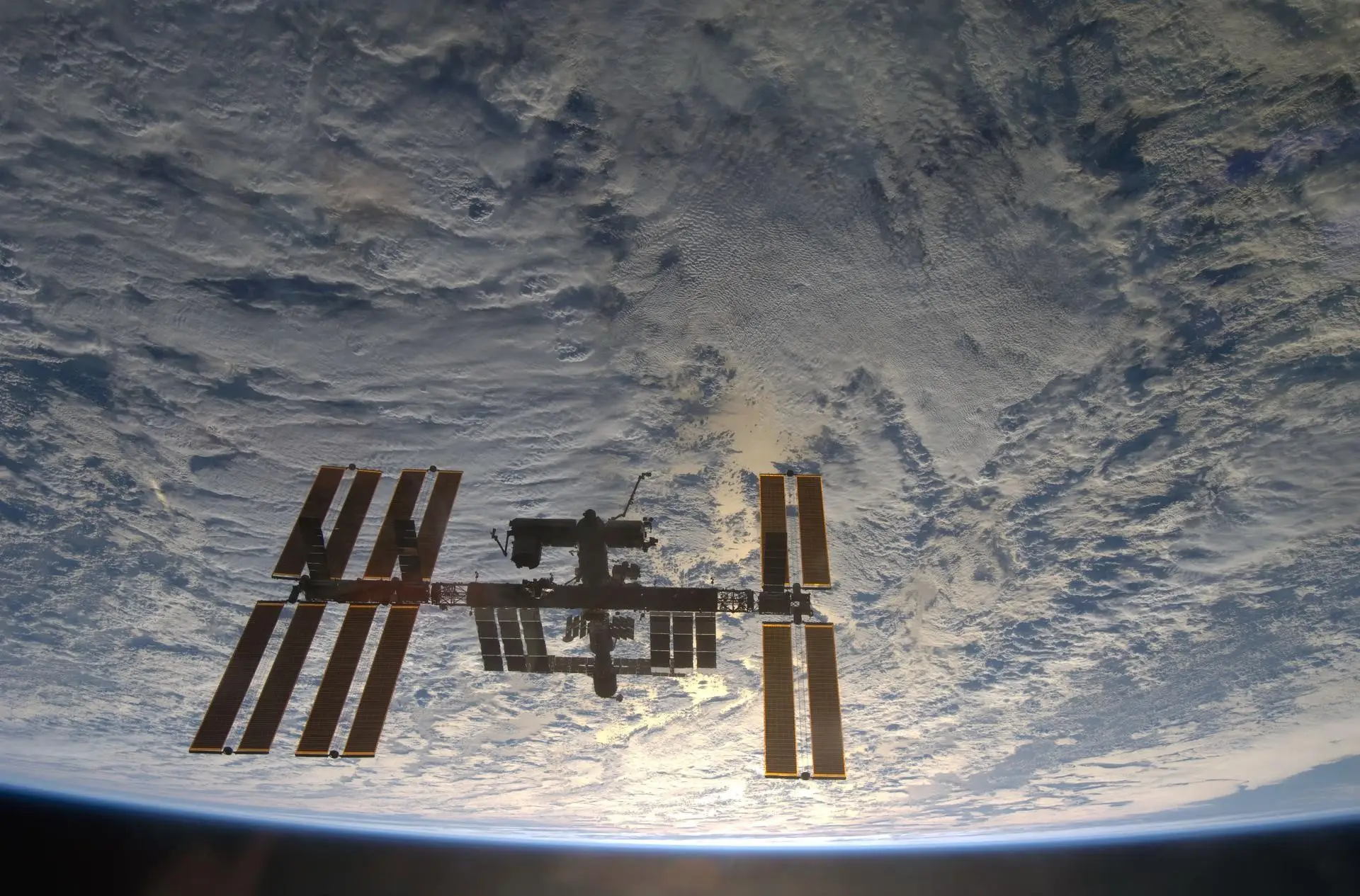
While it's clear that the International Space Station has an important place in the activities of space its continued operation comes at quite a considerable cost, setting NASA back around $3,000,000,000 every since year.
This is reported to be roughly one third of the entire human spaceflight budget, so you can see why it might continue to be a thorn in the side of further advancements.
Compare this with the fact that it has been over half a century since anyone stepped foot on the Moon, which is reportedly not down to technological limitations but instead budget and regulatory restrictions, something as costly as the ISS has a knock on effect.
It appears as if the International Space Station's time is close to an end though, as reports show that a 'death dive' is planned for 2031 that would decommission the intergalactic home for good.
This is largely due to a number of unavoidable and irreparable issues that have cropped up during the International Space Station's time in orbit, which include cracks that have worn down the exterior over time.
As per CNN, Russian experts believe that mechanical systems like those used for the station's energy storage have causes 'stresses' to the walls, otherwise known as 'high cycle fatigue', leading to cracks and wear that cause the construction to fail over time.
There are also concerns over the safety of this planned 'death dive' too, as while it has been described as a 'safe, controlled deorbit', as shown in Space, it's understandable why some might express the risk of pollution when something as large as the ISS comes crashing down to Earth.
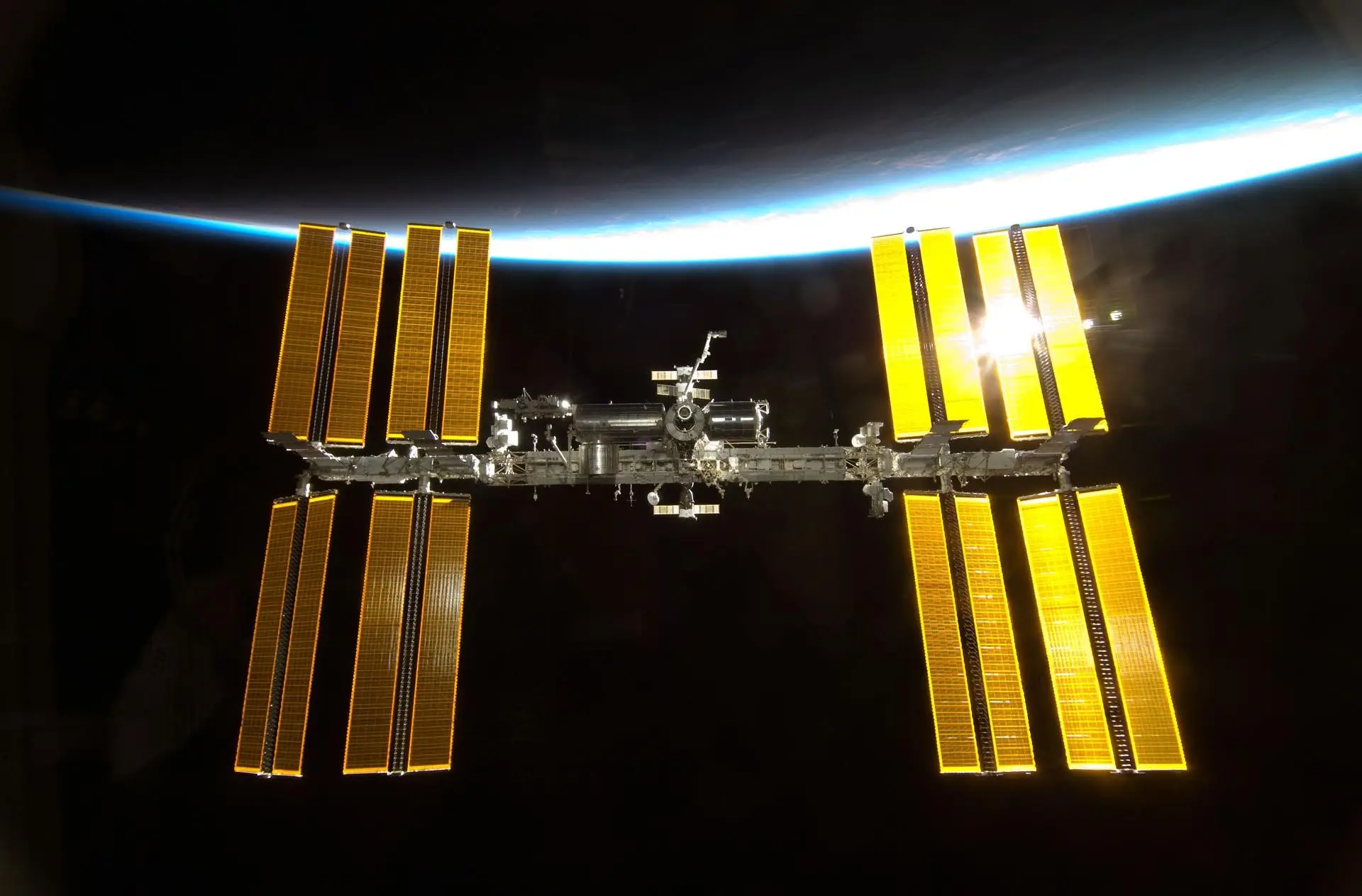
It's currently planned to drop into the South Pacific Oceanic Uninhabited Area in a zone that has been dubbed a 'spacecraft cemetery' due to the number of similar objects that have been decommissioned there.
This is due to the fact that it is the furthest point from land on Earth, making it relatively safe compared to anywhere else - although some still show signs of worry that things might not entirely go to plan.