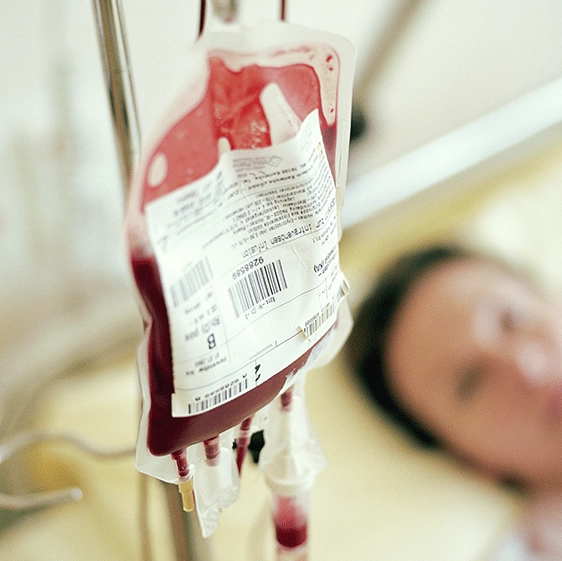
Man with the 'most valuable blood on Earth' saved 2,400,000 babies 'by accident'


One man 'accidentally' discovered that his blood held life-saving properties, and it eventually led to a treatment that prevented the death of over 2,400,000 babies in half a century.
Blood is obviously one of the most vital components of the human body, and having reserves for various surgeries and medical procedures helps keep millions of people alive every single year.
Some have even experimented with 'biohacking' techniques that use blood transfusions to 'reverse' the aging process, but one Australian man's blood has proven to be the 'most valuable' in the entire world due to it's life saving properties.
As detailed by Lifeblood, James Harrison underwent significant chest surgery at just 14 years old in 1951, in which blood sourced from donations was used and effectively saved his life.
Advert
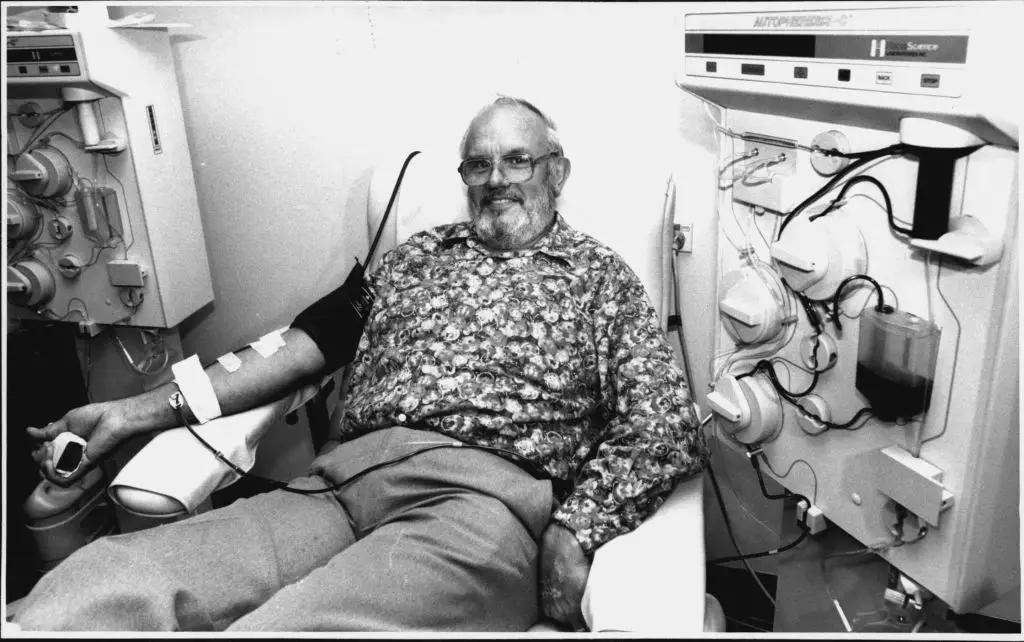
After the surgery was successful, James made it his life mission to donate as soon as he possibly could, and continued regular donations after reaching the age of 18 despite an initial fear of needles.
What he didn't know, however, was that his unique blood would be a vital ingredient in a treatment that would save the lives of over 2.4 million unborn children.
This is due to the reaction that occurs when Rh(D) negative blood comes in contact with a Rh(D) positive counterpart, as harmful antibodies are produced in order to fight off the 'invading' blood.
While this is largely avoided in any scenarios where blood transfusions are used, it does involuntarily occur when an Rh(D) negative woman becomes pregnant with an Rh(D) positive baby.
It isn't typically an issue with a first child as the body is capable of circumventing the issue, but if a second child also happens to be Rh(D) negative then the baby could be at risk of Haemolytic Disease of the Fetus and Newborn (HDFN), which is commonly fatal.
Where James Harrison comes into the situation is that his blood holds a previous antibody that can be used to prevent this attack from happening, and it was only discovered through the fact that he'd already given so much blood.
These antibodies were then converted into a medication called 'Anti-D', and this has been administered to over 2,000,000 Australian women, saving their child from a life-threatening disease.
YouTuber Doctor Mike also revealed that Anti-D was actually used by Harrison's own daughter for the birth of her second child, meaning that his donation efforts and unique blood directly saved the life of his grandchild.
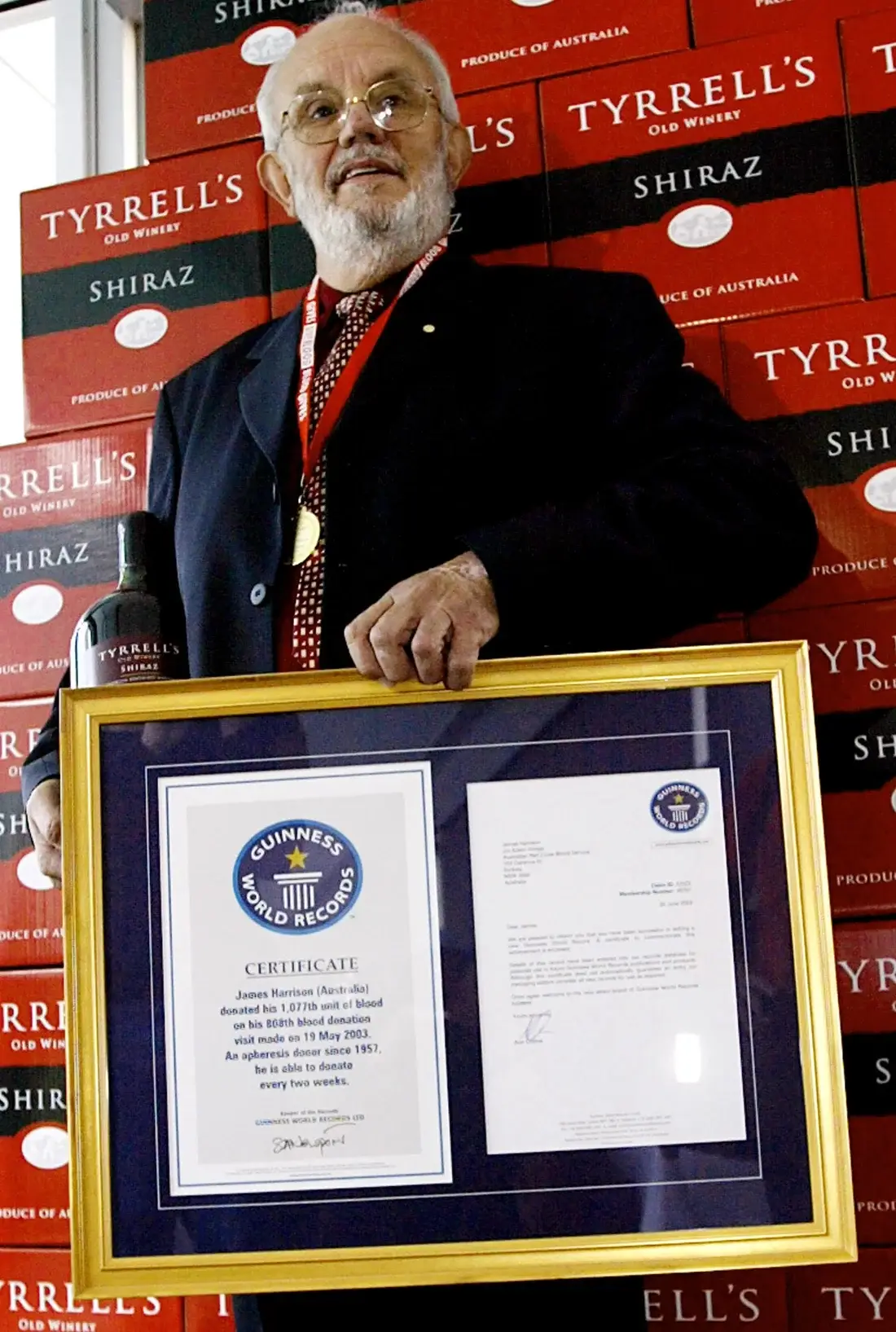
While James has now retired from blood donations, he does hold the world record with 1,173 total donations across 60 years. This works out at around one donation for every two and a half weeks, which has provided an invaluable resource to Australian mothers over the last half century.
Many have expressed their gratitude to James and other individuals who donate blood, with one YouTube comment detailing: "As a person with sickle cell disease, I have a special place in my heart for blood donors. Thank you to everyone who donates. You are literally changing and saving lives."
While many blood donors might not quite have the same widescale impact as someone like James, it is still a contribution that could be vital to even one persons life, and there's a high chance that we'll all need the blood of another at some point in our lives.