
Hackers are targeting people who type these six words into their computer search engines


Hackers are becoming more sophisticated than ever, and while we're constantly being warned about the tricks of the trade, their methods are evolving faster than we can keep up with. From scam texts to your smart devices being used a way into your personal lives, hackers are getting smarter by the day.
We already know you have to be careful with your personal data online, but now, advanced hackers are apparently using six specific words to try and get inside your virtual vaults.
In a bizarre turn of events, apparently Googling about whether Bengal cats are legal to keep as pets can lead to a cyber attack.

Advert
A post on cybersecurity company SOPHOS' website warns internet users not to type the following phrase into their search engine: "Are Bengal Cats legal in Australia?"
There are reports that people typing those six words into their search engine are becoming cybersecurity victims.
As SOPHOS notes: "Victims are often enticed into clicking on malicious adware or links disguised as legitimate marketing, or in this case a legitimate Google search."
It only works when typing all six words, with 'Australia' being a key part of it. This suggests that those living in Australia are the most at risk. If you search for the term and click on a legitimate-looking search result, you're then open to having personal information like your bank details stolen via a program called Gootloader.
Gootloader has apparently been around for over a decade and was previously used by the Russian REvil ransomware gang. SOPHOS hadn't specifically been looking to help those looking for a Bengal cat, but instead, found the breach while looking into Gootloader.
Worringly, SOPHOS says that the program can even lock you out of your own computer.
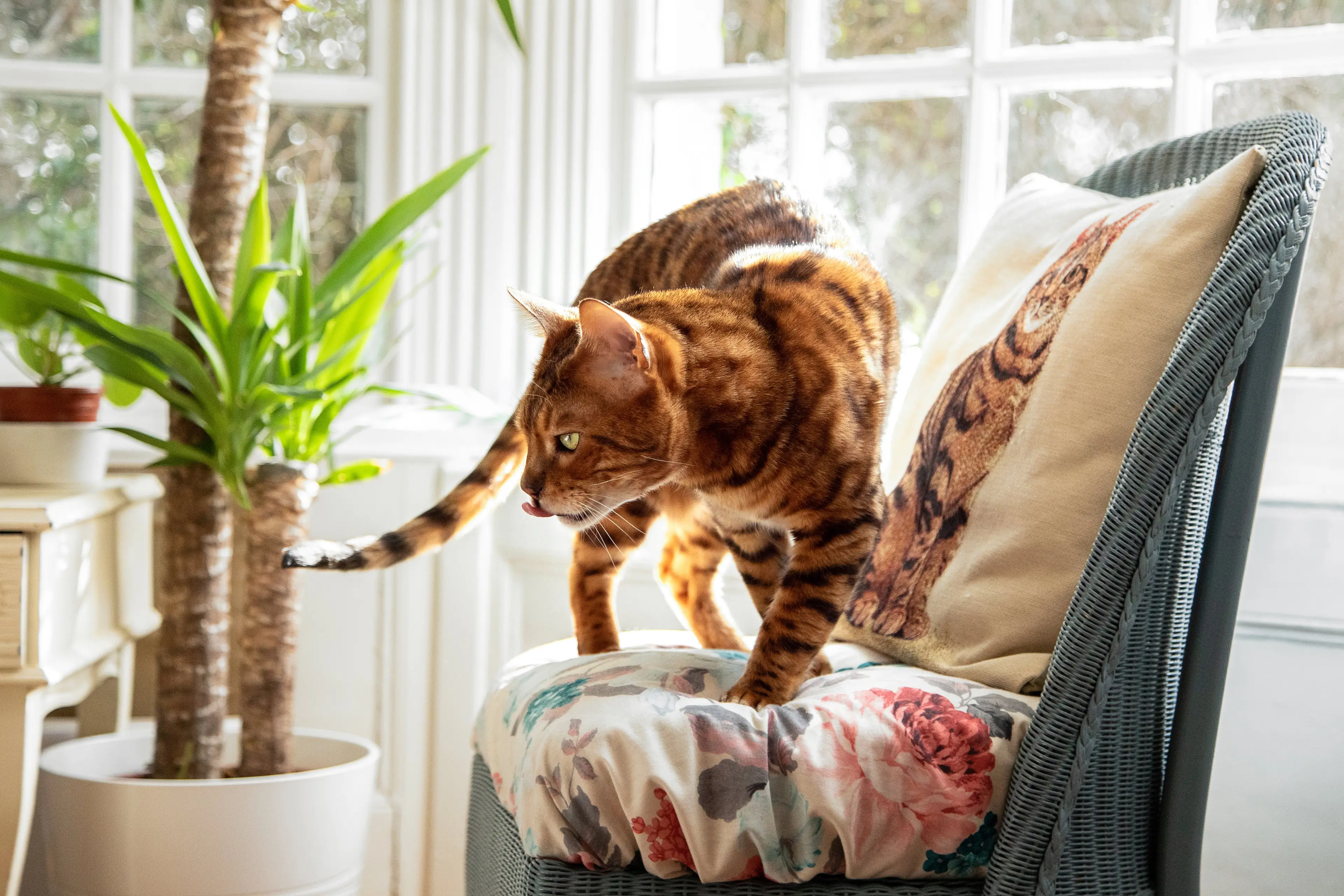
Even though a search for keeping Bengal cats in Australia might seem niche, SOPHOS says it's even more troubling because it's an obscure phrase that isn't to do with anything nefarious, yet can lead to you having your details snatched.
The latest method is referred to 'SEO poisoning,' where hackers can infiltrate seemingly innocuous search terms and siphon your data.
SEO poisoning would typically go for a common search term or high-value targets to infiltrate powerful organizations like banks, which makes the latest breach all the more confusing.
Back in May, researchers discovered that a 'threat actor' has poisoned the search through a link on a popular cat forum.
In the thread was a downloadable link offering more information, but instead, it was a heavily disguised JavaScript file that contained the virus.
SOPHOS warns: "Users should still look out for search results and search advertisements that seem too good to be true on domains that are off the beaten path—whether they’re looking to get a Bengal Cat or not."
The simple answer is that if you're interested in finding out if you can keep Bengal cats Down Under, maybe pick up your phone, do it the old fashioned way, and ask your local council. In the meantime, be careful what you're searching online.